Autophagy

Autophagy inhibitors and modulators act on the lysosomal pathway by which cells break down their own components. In macroautophagy, double-membrane autophagosomes engulf cytoplasm and organelles, then fuse with lysosomes for degradation. The process recycles nutrients and removes damaged proteins, and its disruption has been linked to cancer, neurodegeneration and infection. 3-Methyladenine was described in 1982 as an inhibitor of autophagic protein degradation in rat hepatocytes. Spautin-1 promotes degradation of Beclin 1 by inhibiting ubiquitin-specific peptidases 10 and 13 (USP10, USP13). SBI-0206965 and MRT68921 inhibit the initiating Unc-51-like kinases 1 and 2 (ULK1, ULK2), whereas chloroquine phosphate blocks the late lysosomal stage. Inhibitors of single autophagy proteins also appear in the neighboring ULK and Mitophagy categories.

1 Item

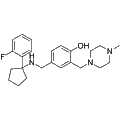
  • ARN5187
    Cat. No.
    A32713

    ARN5187

    ARN5187 is a lysosomotropic ligand targeting REV-ERBβ, known for its dual inhibitory effects on REV-ERB-mediated transcriptional regulation and autophagy. This compound exhibits significant lysosomotropic potency and has cytotoxic properties, leading to the induction of apoptosis. ARN5187 serves as a valuable tool for research into the mechanisms of autophagy and the role of REV-ERBβ in cellular processes.

    25 mg
    $1,275.00
    50 mg
    $1,625.00
    All 3 sizes

1 Item

Added to your cart

View Cart Checkout

    Loading...