- Cat. No.
- A15865
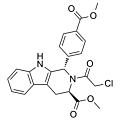
RSL3
Synonyms: 1S,3R-RSL3
RSL3 is a ferroptosis activator in a VDAC-independent manner,exhibiting selectivity for tumor cells bearing oncogenic RAS.
Search by product name, CAS, target or catalog number. Press Down Arrow to reach product suggestions, Tab to move between links, and Escape to close suggestions.
Ferroptosis inducers and inhibitors are used to study an iron-dependent form of regulated cell death. The term was introduced in 2012 for erastin-triggered cell death that differs from apoptosis and requires iron. Erastin depletes glutathione by inhibiting system xc-, the cystine/glutamate antiporter that supplies cysteine to cells. Glutathione peroxidase 4 (GPX4) reduces phospholipid hydroperoxides, and its inhibition lets lipid peroxidation accumulate to lethal levels. RSL3 and ML-210 inhibit GPX4 directly and are standard inducers in cell models. Ferrostatin-1 and liproxstatin-1 act in the opposite direction by trapping lipid radicals. Liproxstatin-1 protected mice with inducible Gpx4 deletion from acute renal failure in a 2014 study. Iron chelators such as deferiprone help to confirm the iron dependence of the process.
Synonyms: 1S,3R-RSL3
RSL3 is a ferroptosis activator in a VDAC-independent manner,exhibiting selectivity for tumor cells bearing oncogenic RAS.
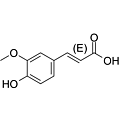
(E)-Ferulic acid is a isomer of Ferulic acid which is an aromatic compound, abundant in plant cell walls. (E)-Ferulic acid shows a potent ability to remove reactive oxygen species (ROS) and inhibits lipid peroxidation. (E)-Ferulic acid exerts both anti-proliferation and anti-migration effects in the human lung cancer cell line H1299.
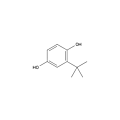
Synonyms: tert-Butylhydroquinone
TBHQ (tert-Butylhydroquinone) is a widely used Nrf2 activator, protects against Doxorubicin (DOX)-induced cardiotoxicity through activation of Nrf2.
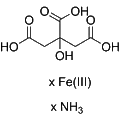
Synonyms: Ammonium ferric citrate; FAC
Ammonium iron(III) citrate serves as a ferroptosis activator through the induction of intracellular iron overload. By increasing cellular iron levels, it promotes oxidative stress and contributes to ferroptotic cell death. This compound is valuable for research involving cellular iron metabolism, oxidative stress studies, and investigations into ferroptosis-related pathways. Additionally, it may enhance protein production, making it relevant for applications in biochemical assays and cellular biology research.
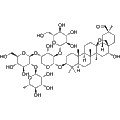
Ardisiacrispin B is an apoptosis and ferroptosis activator. It exhibits cytotoxic effects in cancer cells that are resistant to multiple treatments, promoting cell death through the induction of ferroptosis and apoptosis pathways. This compound is valuable for research applications focused on understanding resistance mechanisms in cancer and exploring therapeutic strategies that leverage ferroptotic cell death.