
- Cat. No.
- A11437
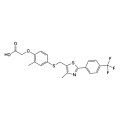
GW 501516
Synonyms: GW1516; GSK-516
GW501516 (GW1516 or GSK-516) is a drug that acts as a PPARδ modulator.
In stock
View Details
Search by product name, CAS, target or catalog number. Press Down Arrow to reach product suggestions, Tab to move between links, and Escape to close suggestions.
PPAR agonists and antagonists target peroxisome proliferator-activated receptors (PPARs), a nuclear receptor family. The first PPAR was identified in 1990 as a member of the steroid hormone receptor superfamily activated by peroxisome proliferators. The three subtypes, PPARα, PPARδ and PPARγ, act as ligand-activated transcription factors in tissues such as liver, muscle and fat. PPARγ promotes adipocyte differentiation, and thiazolidinediones were shown in 1995 to bind it with high affinity. Examples include rosiglitazone and troglitazone for PPARγ, fenofibrate for PPARα and GW 501516 for PPARδ. Elafibranor acts on PPARα and PPARδ, while T0070907 is a PPARγ antagonist for blocking studies.
Synonyms: GW1516; GSK-516
GW501516 (GW1516 or GSK-516) is a drug that acts as a PPARδ modulator.
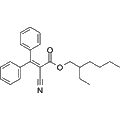
Octocrylene is an organic ultraviolet (UV) filter primarily known for absorbing UVB radiation and shorter UVA wavelengths. This compound acts as a partial agonist of PPARγ, influencing the transcription profiles of lipid metabolism enzymes. Additionally, Octocrylene exhibits cytotoxic and genotoxic effects on human skin fibroblasts and has been shown to mediate the biosynthesis of estrogens, such as estriol, in zebrafish larvae while impacting antioxidant pathways, including glutathione transferase and peroxisomes. Its applications include studies in photoprotection, environmental toxicology, and endocrine disruption research.
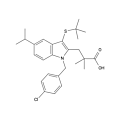
Synonyms: L-663,536; L663536
MK-886 is an inhibitor of leukotriene biosynthesis (IC50 = 3 nM in human polymorphonuclear leukocytes).
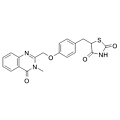
Synonyms: DRF-2593; NN-2344
Balaglitazone is a novel partial agonist of PPAR-gamma (γ).
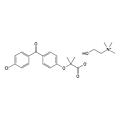
Synonyms: ABT-335
Choline Fenofibrate (ABT-335) is the choline salt of fenofibric acid under clinical development as a combination therapy with rosuvastatin for the management of dyslipidemia.
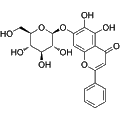
Oroxin A is a partial agonist of the peroxisome proliferator-activated receptor gamma (PPARγ). It enhances PPARγ transcriptional activity through binding to the PPARγ ligand-binding domain. Additionally, Oroxin A demonstrates inhibitory effects on α-glucosidase and possesses antioxidant properties. Its anti-breast cancer potential is attributed to the induction of endoplasmic reticulum stress-mediated cellular senescence, making it a valuable tool for research in metabolic and cancer biology.
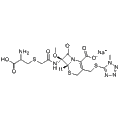
Synonyms: MT-141
Cefminox Sodium, also known as Meicelin and MT-141, is a penicillin binding protein inhibitor used to treat bacterial infection.
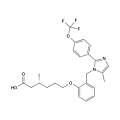
MA-0204 is a potent, highly selective and orally available peroxisome proliferator activated receptor δ (PPARδ) modulator with EC50s of 0.4 nM, 7.9 nM and 10 nM for human, mouse and rat PPARδ, respectively. Potential treatment for Duchene Muscular Dystrophy (DMD).
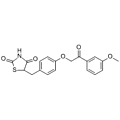
Synonyms: MSDC 0602
MSDC-0602, a PPARγ-sparing thiazolidinedione (TZD), interacts with the mitochondrial pyruvate carrier (MPC) and inhibits its activity and are effective for treatment of type 2 diabetes with reducing risk of PPARγ-mediated side effects.
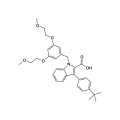
GSK376501A is a selective peroxisome proliferator-activated receptor gamma (PPARγ) modulator for the treatment of type 2 diabetes mellitus.
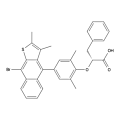
Synonyms: PTP 112
Ertiprotafib is an inhibitor of PTP1B, IkB kinase β (IKK-β), and a dual PPARα and PPARβ agonist, with an IC50 of 1.6 μM for PTP1B, 400 nM for IKK-β, an EC50 of ~1 μM for PPARα/PPARβ.
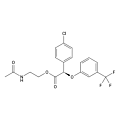
Synonyms: MBX 102; JNJ 39659100
Arhalofenate (MBX 102) is a selective partial agonist of peroxisome proliferator-activated receptor (PPAR)-γ, used for the treatment of type 2 diabetes.
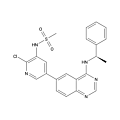
MTX-531 is an orally active small molecule that inhibits EGFR (IC50 = 14.7 nM) and multiple PI3K isoforms, with IC50 values of 6.4 nM (PI3Kα), 233 nM (PI3Kβ), 8.3 nM (PI3Kγ), and 1.1 nM (PI3Kδ), demonstrating potent antitumor activity. Additionally, MTX-531 functions as a weak PPARγ agonist (IC50 = 2.5 µM), which may mitigate PI3K inhibitor-induced hyperglycemia.
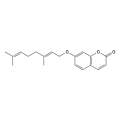
Auraptene is an orally active geranyloxycoumarin compound naturally found in plants of the *Brassicaceae* family. It exhibits a wide range of biological activities, including antibacterial, anti-pathogenic, antioxidant, anti-tumor, and neuroprotective effects. Auraptene has shown therapeutic potential in the management of various chronic conditions such as hypertension and cystic fibrosis, making it a valuable compound for pharmacological and nutraceutical research.
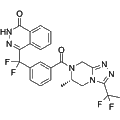
AZ0108 is a selective inhibitor of poly(ADP-ribose) polymerases (PARPs), including PARP1, PARP2, PARP3, PARP6, TNKS1, and TNKS2. It displays potent inhibitory activity with IC50 values of
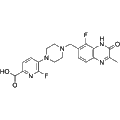
AZD-9574-acid is a selective PPAR-1 inhibitor that serves as a crucial building block for the development of PROTAC molecules. Its inhibition of PPAR-1 demonstrates significant potential in the regulation of metabolic pathways and inflammatory responses. This compound is essential for researchers exploring targeted protein degradation and its applications in therapeutic development.
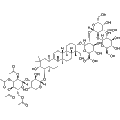
Soyasaponin Ab is a potent PPARγ inhibitor with oral bioavailability. It effectively suppresses PPARγ transcriptional activity and induces apoptosis at elevated concentrations. This compound exhibits a range of biological activities, including anti-obesity, anti-oxidation, anti-inflammation, and anti-aging effects. Additionally, Soyasaponin Ab has been shown to mitigate memory impairment induced by Scopolamine, making it a valuable reagent for research in metabolic and neuroprotective applications.
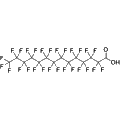
Synonyms: PFTeDA
Perfluorotetradecanoic acid (PFTeDA) is a potent PPARγ inhibitor, demonstrating a binding affinity to the human PPARγ ligand-binding domain with an IC50 of 22.8 μM and a Kd of 157.8 μM. It has been shown to impair Leydig cell function through the induction of oxidative stress and apoptosis. Additionally, PFTeDA stimulates corticosterone biosynthesis while inhibiting aldosterone production, making it a valuable tool for researching steroidogenesis and related metabolic pathways.
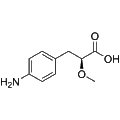
GED 0507-34-Levo is an orally active modulator of PPARγ. This compound effectively downregulates the expression of TGF-β, Smad3, IL-13, and CTGF in colon tissue. GED 0507-34-Levo has demonstrated therapeutic potential in improving symptoms of DSS-induced chronic colitis and associated fibrosis, making it a valuable tool for research in inflammatory bowel diseases and fibrotic disorders.
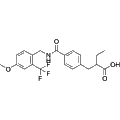
RB394 is a potent dual soluble epoxide hydrolase (sEH) and peroxisome proliferator-activated receptor gamma (PPARγ) modulator. This compound promotes adipocyte browning and demonstrates significant cardioprotective effects. RB394 is an invaluable tool for researchers studying metabolic syndrome and related metabolic disorders.
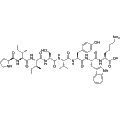
PIISVYWK is a potent PPARγ inhibitor that also acts as an activator of heme oxygenase-1 (HO-1) and nuclear factor erythroid 2-related factor 2 (Nrf2). This compound effectively modulates the HO-1/Nrf2 signaling pathway, contributing to the reduction of oxidative stress and inflammation, while also exhibiting anti-obesity properties. PIISVYWK is suitable for research applications focused on obesity and related metabolic disorders.
Out of stock
All 3 sizes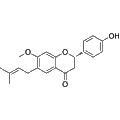
Synonyms: 7-O-Methylbavachin; Bavachinin A
Bavachinin is a pan-peroxisome proliferator-activated receptor (PPAR) agonist and a HIF-1α inhibitor, demonstrating IC50 values of 21.043 μM, 12.819 μM, and 0.622 μM for PPAR-α, PPAR-β/δ, and PPAR-γ, respectively. This compound exhibits significant antitumor activity against non-small cell lung cancer through its modulation of PPAR-γ. Additionally, Bavachinin possesses notable anti-inflammatory and anti-angiogenic properties, making it a valuable tool for research in cancer and metabolic disorders. Its oral bioavailability further supports its utility in various biological studies.
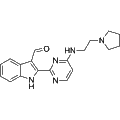
PPARγ-IN-2 is a selective PPARγ inhibitor that effectively reduces triglyceride accumulation in 3T3-L1 preadipocytes, with an EC50 of 0.106 μM. This compound demonstrates potential for mitigating obesity and associated metabolic syndrome, particularly in the context of a high-cholesterol diet. Its ability to diminish lipid accumulation in adipose tissue makes it a valuable tool for research focused on metabolic disorders and adipocyte biology.
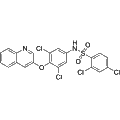
Synonyms: INT131
AMG131 is a selective peroxisome proliferator-activated receptor γ (PPARγ) modulator, functioning as a potent non-thiazolidinedione (TZD) agonist. It binds to PPARγ in the same pocket as TZDs, yet interacts with the receptor at unique contact points, potentially leading to differential biological effects. This compound has significant potential for research applications related to type-2 diabetes mellitus and metabolic disorders.
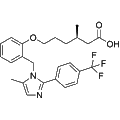
Synonyms: ASP0367; MA-0211
Bocidelpar is a selective PPAR-δ modulator that activates the PPAR-δ downstream signaling pathway, leading to the upregulation of target genes such as ABCA1 and ACAA2. This compound promotes fatty acid oxidation and enhances mitochondrial biogenesis, ultimately improving mitochondrial dysfunction. Bocidelpar is particularly useful in researching diseases associated with mitochondrial dysfunction, including primary mitochondrial myopathy (PMM) and Duchenne muscular dystrophy (DMD).