- Cat. No.
- A13706
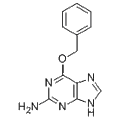
O6-Benzylguanine
Synonyms: CCRIS 9383
O6-Benzylguanine is an effective substrate and efficient inactivator of DNA alkyltransferase. O6-Benzylguanine is an inhibitor of MGMT.
Search by product name, CAS, target or catalog number. Press Down Arrow to reach product suggestions, Tab to move between links, and Escape to close suggestions.
DNMT inhibitors block the DNA methyltransferases that add methyl groups to cytosine residues in genomic DNA. DNA methyltransferase (DNMT) activity at cytosine-guanine (CpG) sites helps silence genes, transposable elements and imprinted loci. DNMT1 copies existing methylation patterns after replication, and its loss causes embryonic lethality in mice. DNMT3A and DNMT3B establish new patterns during development, a role shown in knockout mice in 1999. Cytidine analogs were linked to the inhibition of DNA methylation and to cell differentiation as early as 1980. The category includes the nucleoside analogs azacitidine, decitabine, zebularine and guadecitabine, together with the non-nucleoside inhibitor RG108.
Synonyms: CCRIS 9383
O6-Benzylguanine is an effective substrate and efficient inactivator of DNA alkyltransferase. O6-Benzylguanine is an inhibitor of MGMT.
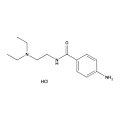
Procainamide HCl is a sodium channel blocker, and also a DNA methyltransferase inhibitor.
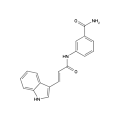
RSC133 is a dual epigenetic modulator that inhibits both histone deacetylases (HDACs) and DNA methyltransferases (DNMTs). It effectively enhances the reprogramming of human somatic cells into induced pluripotent stem cells (iPSCs) and supports the maintenance of pluripotency by promoting an undifferentiated state. RSC133 is a valuable tool for stem cell research and epigenetic reprogramming studies.
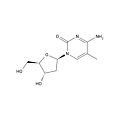
5-Methyl-2'-deoxycytidine (5mdC) is an endogenous substrate of DNA methyltransferases, including mammalian 5-C-MTase, and binds to DNA in a manner dependent on DNA stem-loop structure formation. It directs de novo DNA methylation by serving as a methylation mark, promoting methylation of adjacent CpG sites in single-stranded DNA via cis-acting mechanisms. 5mdC regulates DNA methylation patterns by recruiting methyltransferases to specific chromatin regions, influencing chromatin condensation and gene expression. In plant cells, its distribution correlates with cell proliferation and differentiation stages, with lower methylation levels in proliferating cells and higher levels in differentiated cells.