Glycerolipids

Glycerolipids are acylglycerols, in which one, two or three fatty acids are esterified to a glycerol backbone. Monoacylglycerols, diacylglycerols and triacylglycerols differ in the number of acyl chains and in the positions they occupy. Monoolein, a monoacylglycerol, forms cubic and other liquid crystalline phases in water and is used in membrane protein studies. Diacylglycerols include positional isomers such as 1,3-Dipalmitin and stereospecific species such as 1,2-Distearoyl-sn-glycerol. The sn-1,2-diacylglycerols act as second messengers that activate protein kinase C. Defined species such as 18:0-22:6 DG, a stearoyl and docosahexaenoyl diacylglycerol (DG), serve as lipidomics standards. Triacylglycerols, the main storage lipids of animals and plants, are represented by mixed-acid species.

2 Items

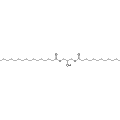
  • 1-Palmitoyl-3-lauroyl-rac-glycerol
    Cat. No.
    A94434

    1-Palmitoyl-3-lauroyl-rac-glycerol

    1-Palmitoyl-3-lauroyl-rac-glycerol is a diacylglycerol that features Palmitic acid at the sn-1 position and Lauric acid at the sn-3 position. This compound serves as a key modulator of various signaling pathways involving lipid metabolism and cellular functions. It is utilized in research focusing on lipid-mediated mechanisms in cellular processes and can aid in the understanding of energy storage and membrane dynamics.

    1 mg
    $90.00
    5 mg
    $400.00
    All 3 sizes
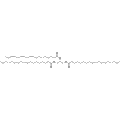
  • 1,3-Linolein-2-linolenin
    Cat. No.
    B20789

    1,3-Linolein-2-linolenin

    1,3-Linolein-2-linolenin is an acylglycerol with a structure that incorporates both linoleic and linolenic acid. This compound serves as a key modulator within lipid metabolism and is significant in the study of membrane fluidity and cellular signaling pathways. Its unique composition makes it a valuable tool for research applications related to fatty acid metabolism and the roles of lipids in health and disease.

    Out of stock

    All 3 sizes

2 Items

Added to your cart

View Cart Checkout

    Loading...