Glycerolipids

Glycerolipids are acylglycerols, in which one, two or three fatty acids are esterified to a glycerol backbone. Monoacylglycerols, diacylglycerols and triacylglycerols differ in the number of acyl chains and in the positions they occupy. Monoolein, a monoacylglycerol, forms cubic and other liquid crystalline phases in water and is used in membrane protein studies. Diacylglycerols include positional isomers such as 1,3-Dipalmitin and stereospecific species such as 1,2-Distearoyl-sn-glycerol. The sn-1,2-diacylglycerols act as second messengers that activate protein kinase C. Defined species such as 18:0-22:6 DG, a stearoyl and docosahexaenoyl diacylglycerol (DG), serve as lipidomics standards. Triacylglycerols, the main storage lipids of animals and plants, are represented by mixed-acid species.

2 Items

  • 1,3-Dipalmitin
    Cat. No.
    A71719

    1,3-Dipalmitin

    Synonyms: 1,3-Dipalmitoylglycerol; Glycerol 1,3-dipalmitate

    1,3-Dipalmitin, a diacylglycerol compound, serves as an effective adsorption inhibitor for 1,3-diglycerides and β-carotene. This lipid molecule is significant in studies involving lipid metabolism and cellular signaling pathways. It is utilized in various research applications, including investigations into energy storage and lipid absorption processes.

    10 mg
    $30.00
    25 mg
    $60.00
    All 4 sizes
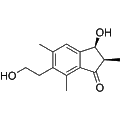
  • (2R,3S)-Pterosin C
    Cat. No.
    B19182

    (2R,3S)-Pterosin C

    (2R,3S)-Pterosin C is a sesquiterpene that functions as a potent inhibitor of triglyceride formation. This compound has been shown to significantly lower triglyceride levels in 3T3-L1 adipocytes, making it a valuable tool for research into hyperlipidemia and related metabolic disorders. Its inhibitory effects on triglyceride synthesis contribute to its utility in studying lipid metabolism and potential therapeutic strategies for managing dyslipidemia.

    1 mg
    $640.00
    All 1 sizes

2 Items

Added to your cart

View Cart Checkout

    Loading...