
- Cat. No.
- A17526
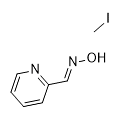
Pralidoxime Iodide
Synonyms: NSC-7760
Pralidoxime iodide is a Cholinesterase Reactivator.
In stock
View Details
Search by product name, CAS, target or catalog number. Press Down Arrow to reach product suggestions, Tab to move between links, and Escape to close suggestions.
Acetylcholinesterase (AChE) inhibitors block the enzyme that breaks down acetylcholine at cholinergic synapses. By ending acetylcholine signaling within milliseconds, AChE controls transmission in the brain and at the neuromuscular junction. The 1991 crystal structure of AChE from Torpedo californica showed the active site at the base of a deep, narrow gorge. AChE also has non-catalytic roles, which broaden its interest beyond synaptic transmission. Inhibitors here include donepezil hydrochloride and galanthamine hydrobromide, which are reversible inhibitors. The carbamates rivastigmine tartrate and neostigmine bromide, used in studies of cholinergic signaling and neurodegeneration, are also listed.
Synonyms: NSC-7760
Pralidoxime iodide is a Cholinesterase Reactivator.
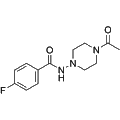
FK960 is a cholinesterase activator with potential applications in anti-dementia therapy. It enhances cholinergic neurotransmission, effectively reversing the reduction in cerebral blood flow (rCBF) induced by sensory stimulation. In macaque studies, FK960 has demonstrated the ability to restore rCBF responses that were eliminated by treatment with physostigmine, lasting for up to one hour. Notably, FK960 does not restore rCBF responses affected by NMDA modulators, suggesting a targeted mechanism independent of non-glutamatergic pathways.
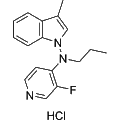
HP 184 is an acetylcholine release stimulator, functioning as a cholinesterase (ChE) activator. This compound enhances synaptic transmission by promoting the release of acetylcholine, making it valuable for studies in neurobiology and neuromuscular disorders. Additionally, the compound's ADME properties can be modified by substituting hydrogen with deuterium, allowing for further exploration of its pharmacokinetics and pharmacodynamics in research applications.
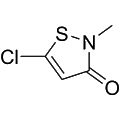
Methylchloroisothiazolinone is a potent NF-κB activator known for its pro-inflammatory properties. It induces the expression of pro-inflammatory cytokines, including IL-1β, TNF-α, and IL-6, through the activation of the NF-κB signaling pathway and upregulation of TLR4. This compound is utilized in research focusing on allergic contact dermatitis and immunotoxicity mechanisms. Additionally, Methylchloroisothiazolinone demonstrates neurotoxic effects and has been shown to impair cholinesterase activity, leading to increased oxidative stress and detrimental impacts on aquatic organisms, specifically Mediterranean mussels.