Amyloid-β

Amyloid-β (Aβ) research compounds include Aβ peptides and modulators of Aβ production, aggregation and signaling. Aβ was first purified from cerebrovascular amyloid in Alzheimer's disease and characterized in 1984. The peptide is cleaved from the amyloid precursor protein (APP), whose cloning in 1987 revealed a structure resembling a cell-surface receptor. The amyloid hypothesis proposes that Aβ accumulation drives Alzheimer's disease pathogenesis, and it frames much current research. The category includes Amyloid b-Peptide (1-42) (human) for aggregation and toxicity studies. γ-Secretase inhibitors such as avagacestat and RO4929097 reduce Aβ formation. FPS-ZM1 blocks the receptor for advanced glycation end products (RAGE), which binds Aβ.

2 Items

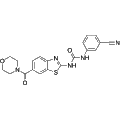
  • APP degrader-1
    Cat. No.
    A78235

    APP degrader-1

    APP degrader-1 is an orally active compound designed to target the amyloid precursor protein (APP). It induces the degradation of APP and effectively reduces the extracellular release of Aβ42. By binding to both CAPRIN1 and APP, APP degrader-1 enhances their interaction and facilitates CAPRIN1-mediated APP degradation via the endosome-lysosome pathway. This compound holds potential for research applications related to Alzheimer's disease and protein misfolding disorders.

    5 mg
    $175.00
    10 mg
    $285.00
    All 5 sizes
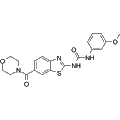
  • Aβ42-IN-4
    Cat. No.
    A78315

    Aβ42-IN-4

    Aβ42-IN-4 is an APP degrader that effectively reduces the production of amyloid-β peptide Aβ42 by promoting the degradation of the amyloid precursor protein. This compound is valuable for research applications focused on neurodegenerative diseases, particularly Alzheimer's disease, where the accumulation of Aβ42 is a key pathogenic factor. Its ability to modulate APP levels makes Aβ42-IN-4 a relevant tool for investigating potential therapeutic strategies aimed at reducing amyloid plaque formation.

    Out of stock

    All 3 sizes

2 Items

Added to your cart

View Cart Checkout

    Loading...