Amyloid-β

Amyloid-β (Aβ) research compounds include Aβ peptides and modulators of Aβ production, aggregation and signaling. Aβ was first purified from cerebrovascular amyloid in Alzheimer's disease and characterized in 1984. The peptide is cleaved from the amyloid precursor protein (APP), whose cloning in 1987 revealed a structure resembling a cell-surface receptor. The amyloid hypothesis proposes that Aβ accumulation drives Alzheimer's disease pathogenesis, and it frames much current research. The category includes Amyloid b-Peptide (1-42) (human) for aggregation and toxicity studies. γ-Secretase inhibitors such as avagacestat and RO4929097 reduce Aβ formation. FPS-ZM1 blocks the receptor for advanced glycation end products (RAGE), which binds Aβ.

1 Item

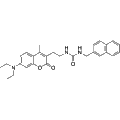
  • LC kinetic stabilizer-2
    Cat. No.
    A78290

    LC kinetic stabilizer-2

    LC Kinetic Stabilizer-2 is a potent agent designed to stabilize amyloidogenic immunoglobulin light chains (LC) by enhancing their kinetic stability, with an EC50 of 24 nM. This compound is particularly useful in research applications focused on protein misfolding diseases, amyloidosis, and related pathologies. It enables the investigation of LC dynamics and potential therapeutic interventions to prevent aggregation in affected tissues.

    25 mg
    $1,275.00
    50 mg
    $1,625.00
    All 3 sizes

1 Item

Added to your cart

View Cart Checkout

    Loading...