- Cat. No.
- A13576
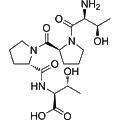
Rapastinel (GLYX-13)
Synonyms: GLYX 13
GLYX-13 is a selective weak partial agonist of the glycine site of the NMDA receptor which is under development by Naurex as adjunctive therapy for treatment-resistant depression.
Search by product name, CAS, target or catalog number. Press Down Arrow to reach product suggestions, Tab to move between links, and Escape to close suggestions.
N-methyl-D-aspartate (NMDA) receptor antagonists and modulators act on glutamate-gated ion channels in neurons. NMDA receptors take part in excitatory synaptic transmission, synaptic plasticity and excitotoxicity. The first NMDA receptor subunit was cloned from rat brain in 1991. Extracellular magnesium blocks the channel in a voltage-dependent manner, so activation requires both agonist binding and membrane depolarization. The category includes the agonist NMDA itself, the channel blocker memantine hydrochloride and the competitive antagonist SDZ 220-581. Subunit-selective tools include TCN 201, a negative allosteric modulator of GluN2A-containing receptors, and GNE 0723, a positive allosteric modulator of the same receptors.
Synonyms: GLYX 13
GLYX-13 is a selective weak partial agonist of the glycine site of the NMDA receptor which is under development by Naurex as adjunctive therapy for treatment-resistant depression.
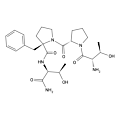
Synonyms: NRX-1074; AGN-241660
Apimostinel (NRX-1074; AGN-241660) is an orally active NMDA receptor partial agonist.
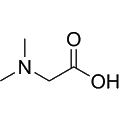
Synonyms: Dimethylglycine; DMG; N-Methylsarcosine
N,N-Dimethylglycine is a natural N-methylated glycine that serves as a partial agonist at the N-methyl-D-aspartate receptor (NMDAR) glycine site. It functions as a methyl donor, enhancing immune response and exhibiting antioxidant properties to mitigate oxidative stress by scavenging free radicals. Additionally, N,N-Dimethylglycine has demonstrated antidepressant-like effects and surfactant activity, making it valuable for various research applications in neuropharmacology and immunology.
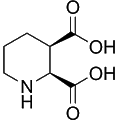
Cis-Piperidine-2,3-dicarboxylic acid primarily targets NMDA receptors and acts as a partial agonist. This compound is known for its ability to block general excitatory synaptic transmission by interfering with NMDA, AMPA, and kainate ionotropic receptors. Cis-Piperidine-2,3-dicarboxylic acid is valuable for research applications related to neuropharmacology and the study of synaptic plasticity.
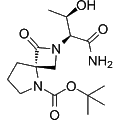
Synonyms: AGN-241751; GATE-251
Zelquistinel (AGN-241751) is a potent orally active partial agonist of the N-methyl-D-aspartate (NMDA) receptor. It has demonstrated significant biological activity relevant to the research of neuropsychiatric conditions, including depression and anxiety. Zelquistinel serves as a valuable tool for studying the pharmacological mechanisms underlying these disorders and evaluating potential therapeutic interventions.
Synonyms: (+)-HA-966
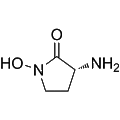
(R)-(+)-HA-966 functions as a partial agonist/antagonist at the glycine site of the N-methyl-D-aspartate (NMDA) receptor complex. This compound selectively inhibits the activation of the mesolimbic dopamine system induced by amphetamine, making it relevant for studying addiction and dopamine-related disorders. Its ability to traverse the blood-brain barrier suggests potential applications in addressing conditions such as neuropathic and acute pain.
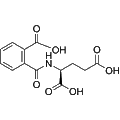
N-Phthaloylglutamic acid functions as a partial agonist of the NMDA receptor, specifically targeting the glutamate binding site with an affinity characterized by a Ki of 13 μM. Its biological activity contributes to the modulation of excitatory neurotransmission and may serve as a valuable tool in neuropharmacological research. This reagent is useful for studies investigating NMDA receptor dynamics and related neurological processes.
Synonyms: TPPT
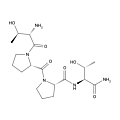
NT 13 (TPPT) is a tetrapeptide with the amino acid sequence L-threonyl-L-prolyl-L-prolyl-L-threonine amide, acting as a partial agonist of the N-methyl-D-aspartate receptor (NMDAR). This compound is utilized in research pertaining to depression, anxiety, and related neuropsychiatric conditions. Its ability to modulate glutamatergic signaling provides valuable insights into the underlying mechanisms of these disorders, making it a useful tool for pharmacological studies.