Insecticides & Acaricides

Insecticides and acaricides are compounds used to control insect and mite pests of crops and stored produce. In research they serve as reference substances for mode-of-action work, resistance monitoring and residue analysis in soil, water and food. Nerve-directed classes are represented by the pyrethroid deltamethrin, which holds voltage-gated sodium channels open, and the carbamate fenobucarb, an acetylcholinesterase inhibitor. Cartap is a nereistoxin analog that acts at nicotinic acetylcholine receptors, while pymetrozine alters feeding behavior in sap-sucking insects. Growth and development are addressed by the ecdysone receptor agonist tebufenozide and the chitin synthesis inhibitor buprofezin. Spiromesifen, a tetronic acid acaricide, inhibits acetyl-coenzyme A carboxylase in lipid synthesis.

Items 26-26 of 26

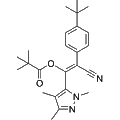
  • Cyenopyrafen
    Cat. No.
    B21976

    Cyenopyrafen

    Cyenopyrafen is a mitochondrial complex II inhibitor that functions as an acaricide. It demonstrates significant biological activity against spider mites, making it effective for use on fruit trees, vegetables, and ornamental flowers. This compound is useful in agricultural research for developing pest management strategies and exploring mitochondrial function in acaricide efficacy.

    Out of stock

    All 3 sizes

Items 26-26 of 26

Added to your cart

View Cart Checkout

    Loading...