Insecticides & Acaricides

Insecticides and acaricides are compounds used to control insect and mite pests of crops and stored produce. In research they serve as reference substances for mode-of-action work, resistance monitoring and residue analysis in soil, water and food. Nerve-directed classes are represented by the pyrethroid deltamethrin, which holds voltage-gated sodium channels open, and the carbamate fenobucarb, an acetylcholinesterase inhibitor. Cartap is a nereistoxin analog that acts at nicotinic acetylcholine receptors, while pymetrozine alters feeding behavior in sap-sucking insects. Growth and development are addressed by the ecdysone receptor agonist tebufenozide and the chitin synthesis inhibitor buprofezin. Spiromesifen, a tetronic acid acaricide, inhibits acetyl-coenzyme A carboxylase in lipid synthesis.

Items 1-25 of 173

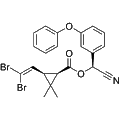
  • Deltamethrin
    Cat. No.
    A25021

    Deltamethrin

    Synonyms: Decamethrin

    Deltamethrin is a synthetic pyrethroid insecticide that primarily targets the nervous system of insects, leading to paralysis and death. It induces oxidative stress, resulting in inflammation and apoptosis, notably through the inhibition of the Nrf2/HO-1 pathway. In addition to its applications in pest control, Deltamethrin exhibits potential anticancer activity by promoting apoptosis in cell lines. Its efficacy in various biological research models makes it a valuable tool for studies in toxicology and pest management.

    100 mg
    $35.00
    200 mg
    $45.00
    All 4 sizes
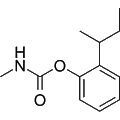
  • Fenobucarb
    Cat. No.
    A25169

    Fenobucarb

    Fenobucarb is a carbamate insecticide that targets the nervous systems of insects. Its mechanism involves inducing developmental neurotoxicity in zebrafish, affecting pathways related to inflammation, oxidative stress, degeneration, and apoptosis. Research indicates that Fenobucarb may pose risks to cardiovascular and cerebrovascular systems in animal models, making it a valuable compound for studies on neurotoxicity and environmental impact assessments.

    200 mg
    $25.00
    250 mg
    $30.00
    All 6 sizes
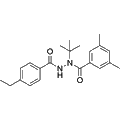
  • Tebufenozide
    Cat. No.
    A30446

    Tebufenozide

    Tebufenozide is a nonsteroidal ecdysone agonist that functions primarily as an insecticide. It exhibits notable cytotoxic effects and induces apoptosis in cultured HeLa and insect Tn5B1-4 cells. This compound is widely utilized in research to study insect development and the mechanisms of apoptosis, making it a valuable tool in entomological studies and toxicology assessments.

    25 mg
    $35.00
    50 mg
    $50.00
    All 5 sizes
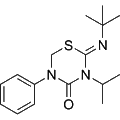
  • Buprofezin
    Cat. No.
    A38867

    Buprofezin

    Buprofezin is a chitin synthesis inhibitor that effectively targets developmental stages of coleopteran pests. This compound alters energy metabolism by shifting cellular processes from the aerobic tricarboxylic acid (TCA) cycle and oxidative phosphorylation to anaerobic glycolysis. Additionally, Buprofezin enhances the production of reactive oxygen species (ROS) by inhibiting cytochrome c oxidase, making it a valuable tool in insecticide research and pest management applications.

    50 mg
    $25.00
    100 mg
    $35.00
    All 5 sizes
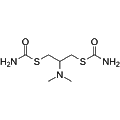
  • Cartap
    Cat. No.
    A38986

    Cartap

    Cartap is an organonitrogen insecticide that primarily targets calcium-dependent pathways. It induces a significant irreversible contraction in isolated phrenic nerve-diaphragm preparations from both mice and rabbits. Additionally, Cartap has been shown to elevate the levels of endogenous reactive oxygen species (ROS) in C2C12 muscle cells, making it relevant for studies on oxidative stress and insect neurophysiology.

    Out of stock

    All 3 sizes
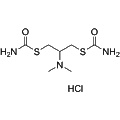
  • Cartap hydrochloride
    Cat. No.
    A39103

    Cartap hydrochloride

    Cartap hydrochloride, an organonitrogen insecticide, exerts its activity by inducing Ca2+-dependent muscle contracture in isolated mouse and rabbit phrenic nerve-diaphragms. This compound is also known to significantly elevate levels of endogenous reactive oxygen species (ROS) in C2C12 cells, making it valuable for studies related to oxidative stress and muscle physiology. Researchers may utilize Cartap hydrochloride in investigations of insecticidal mechanisms and cellular responses to oxidative agents.

    25 mg
    $90.00
    50 mg
    $140.00
    All 3 sizes
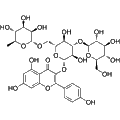
  • Kaempferol-3-O-glu-rha-glu
    Cat. No.
    A39231

    Kaempferol-3-O-glu-rha-glu

    Kaempferol-3-O-glu-rha-glu is an insecticide known to inhibit the activities of key metabolic enzymes, including CarE, GSTs, MFO, and AChE. This compound demonstrates significant cytotoxicity, disrupting mitochondrial membrane potential and increasing reactive oxygen species (ROS) production. Its biological activity makes it suitable for research applications targeting pest control and understanding insect physiology.

    Out of stock

    All 3 sizes
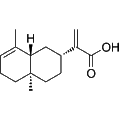
  • α-Costic acid
    Cat. No.
    A39608

    α-Costic acid

    α-Costic acid is a plant-derived sesquiterpene known for its acaricidal properties. This compound induces oxidative stress and promotes autophagy, particularly in tomato plants. Its biological activity makes it a valuable research tool for investigating pest management and plant defense mechanisms.

    Out of stock

    All 3 sizes
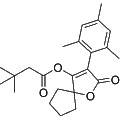
  • Spiromesifen
    Cat. No.
    A43929

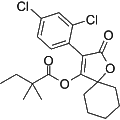
    Spiromesifen

    Synonyms: BSN 2060

    Spiromesifen is a broad-spectrum acaricide that functions primarily through the inhibition of acetyl-CoA carboxylase, which leads to a reduction in lipid biosynthesis in target pests. It is effective against various mite and whitefly populations, demonstrating no cross-resistance to resistant strains. This unique mechanism makes Spiromesifen a valuable tool in agricultural research and pest management applications.

    10 mg
    $20.00
    50 mg
    $90.00
    All 3 sizes
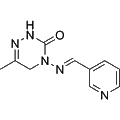
  • Pymetrozine
    Cat. No.
    A48021

    Pymetrozine

    Synonyms: CGA 215944

    Pymetrozine is an insecticide that acts as a feeding inhibitor specifically targeting Homoptera. This compound is effective in preventing the transmission of the cauliflower mosaic virus by inhibiting aphid feeding, particularly in Myzus persicae. Its primary applications lie in agricultural pest management and research related to plant virus transmission dynamics.

    250 mg
    $25.00
    500 mg
    $30.00
    All 4 sizes
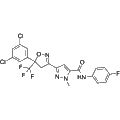
  • Insecticidal agent 4
    Cat. No.
    A48934

    Insecticidal agent 4

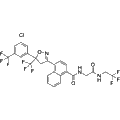
    Insecticidal agent 4 (compound IA-8) is an aryl isoxazoline derivative that targets insecticidal pathways. It exhibits potent activity against M. separate, making it a valuable tool for studying insect physiology and pesticide efficacy. This compound is useful in research applications focused on insect control and the development of novel pest management strategies.

    Out of stock

    All 3 sizes
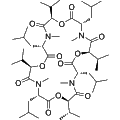
  • Bassianolide
    Cat. No.
    A49420

    Bassianolide

    Bassianolide is a cyclooligomer depsipeptide that serves as an insecticidal virulence factor derived from Beauveria bassiana. It functions primarily by inhibiting acetylcholine-induced smooth muscle contractions, making it valuable in entomological research. Additionally, Bassianolide exhibits moderate antiplasmodial and anti-mycobacterial activities, highlighting its potential applications in studying parasitic infections and mycobacterial diseases.

    0.5 mg
    $575.00
    1 mg
    $1,225.00
    All 2 sizes
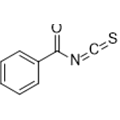
  • Benzoyl isothiocyanate
    Cat. No.
    A52215

    Benzoyl isothiocyanate

    Benzoyl isothiocyanate is an aromatic isothiocyanate that acts as an acaricide targeting house dust mites, specifically Dermatophagoides farinae and D. pteronyssinus, exhibiting potent acaricidal activity with LD50 values of 13.8 and 7.63 µg/cm², respectively. This compound is valuable for research on house dust mite-related allergic diseases, contributing to the understanding and potential treatment of allergies triggered by these common pests.

    1 g
    $20.00
    5 g
    $35.00
    All 4 sizes
  • Afoxolaner
    Cat. No.
    A52224

    Afoxolaner

    Afoxolaner is an orally active isoxazoline insecticide and acaricide targeting Ixodes scapularis in dogs. It functions through the modulation of insect γ-aminobutyric acid (GABA) receptors and glutamate receptors, leading to inhibition of GABA and glutamate-regulated chloride ion uptake. This mechanism results in heightened neuronal stimulation and ultimately causes the mortality of the arthropod. Afoxolaner is utilized in research concerning ectoparasite control and the management of tick-borne diseases.

    5 mg
    $30.00
    10 mg
    $50.00
    All 5 sizes
  • Pyridaben
    Cat. No.
    A52235

    Pyridaben

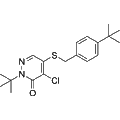
    Pyridaben is a mitochondrial electron transport inhibitor (METI) acaricide that disrupts mitochondrial function by selectively targeting complex I (NADH dehydrogenase), with an IC50 value of 2.4 nM in assays using rat liver and bovine heart mitochondria. This compound promotes the generation of harmful oxygen and nitrogen radicals, contributing to its acaricidal activity. Pyridaben is also known to significantly inhibit mitochondrial nitric oxide synthase (mtNOS) in rat mitochondria, making it valuable for research on mitochondrial dysfunction and oxidative stress.

    50 mg
    $25.00
    100 mg
    $35.00
    All 3 sizes
  • Lufenuron
    Cat. No.
    A52251

    Lufenuron

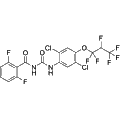
    Lufenuron is a benzoylurea insecticide that functions as a chitin synthesis inhibitor, effectively controlling flea and fish lice populations. By interfering with the moulting process in arthropods, Lufenuron disrupts their lifecycle and reproductive abilities. Additionally, it has been shown to induce reproductive toxicity and genotoxic effects, as well as oxidative stress in pregnant albino rats and their offspring, making it a valuable compound in toxicological research.

    50 mg
    $25.00
    100 mg
    $30.00
    All 6 sizes
  • Flonicamid
    Cat. No.
    A52260

    Flonicamid

    Synonyms: IKI220

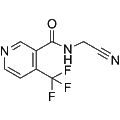
    Flonicamid is a systemic insecticide that demonstrates selective activity against hemipterous pests. Its primary mechanism involves inducing starvation by inhibiting stylet penetration into plant tissues. This unique mode of action positions flonicamid as an effective tool for managing pest populations in agricultural research and crop protection studies.

    100 mg
    $20.00
    250 mg
    $25.00
    All 3 sizes
  • Chlorfenapyr
    Cat. No.
    A52263

    Chlorfenapyr

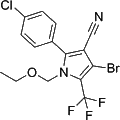
    Chlorfenapyr is a pyrrole insecticide that functions through the activation of mixed function oxidases, leading to the oxidation and elimination of the Nethoxymethyl group to produce the active metabolite CL 303268. This compound exhibits potent insecticidal activity and is utilized primarily in termite control and for the protection of crops against a wide range of insect and mite pests. Its effective mode of action makes it a valuable tool in agricultural pest management.

    25 mg
    $20.00
    50 mg
    $25.00
    All 5 sizes
  • Ipflufenoquin
    Cat. No.
    A52265

    Ipflufenoquin

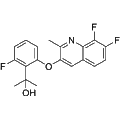
    Ipflufenoquin is an insecticide that functions by inhibiting specific biochemical pathways in target insect pests. This compound exhibits significant efficacy against apple scab, a primary infection that affects apple crops. Application of Ipflufenoquin is recommended during the critical growth stages, specifically between the half-inch green stage and fruit set, to ensure optimal control of the disease. Its use in agricultural research contributes to the development of effective pest management strategies.

    5 mg
    $305.00
    10 mg
    $525.00
    All 5 sizes
  • (E)-Fenpyroximate
    Cat. No.
    A52271

    (E)-Fenpyroximate

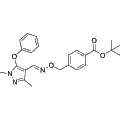
    (E)-Fenpyroximate is a potent acaricide that effectively targets and disrupts the physiological processes of mite populations. With its inhibitory action on specific key enzymes, this compound demonstrates significant biological activity in controlling pest infestations. It is widely utilized in agricultural research to evaluate pest management strategies and for the development of novel acaricidal formulations.

    25 mg
    $35.00
    50 mg
    $50.00
    All 5 sizes
  • Fenazaquin
    Cat. No.
    A52273

    Fenazaquin

    Synonyms: XDE-436; EL-436

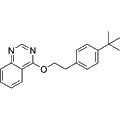
    Fenazaquin is a quinazoline-based acaricide that disrupts the function of mitochondrial complex I in target organisms. It exhibits potent biological activity against various acarid pests, making it useful in agricultural research for managing pest populations. Its selective mode of action contributes to its efficacy in integrated pest management strategies.

    25 mg
    $40.00
    50 mg
    $70.00
    All 3 sizes
  • Cyflumetofen
    Cat. No.
    A52282

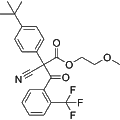
    Cyflumetofen

    Cyflumetofen is a synthetic acaricide that primarily targets mitochondrial complex II in spider mites, leading to effective control of these pests while showing minimal impact on non-target organisms such as insects, crustaceans, and mammals. This selective mechanism of action allows for targeted pest management in agricultural applications. Cyflumetofen's distinct efficacy makes it a valuable tool in the study of pest control and resistance mechanisms in agricultural entomology and acarology.

    25 mg
    $20.00
    50 mg
    $25.00
    All 6 sizes
  • Spirodiclofen
    Cat. No.
    A52287

    Spirodiclofen

    Synonyms: BAJ-2740

    Spirodiclofen is a broad-spectrum acaricide that inhibits lipid biosynthesis, effectively disrupting the metabolic processes of target pests. It exhibits no cross-resistance to currently available acaricides and additionally possesses insecticidal properties. This makes Spirodiclofen a valuable reagent for studies on pest control, resistance management, and agricultural research applications.

    50 mg
    $25.00
    100 mg
    $40.00
    All 5 sizes
  • Phenothrin
    Cat. No.
    A52327

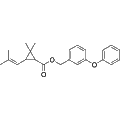
    Phenothrin

    Phenothrin is a Type I pyrethroid insecticide primarily targeting the nervous system of insects. It is effective in pest control applications across agriculture, households, and public health, as well as in the treatment of human head lice infestations. Additionally, Phenothrin has been shown to induce dose-dependent DNA damage in human peripheral blood lymphocytes and hepatocytes, indicating its potential genotoxic effects. This compound serves as a valuable tool in entomological studies and the investigation of insecticide mechanisms.

    2 mg
    $20.00
    5 mg
    $25.00
    All 4 sizes
  • Oxazosulfyl
    Cat. No.
    A52331

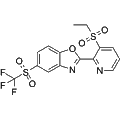
    Oxazosulfyl

    Oxazosulfyl is a sulfyl insecticide that exerts its effects through the inhibition of voltage-gated sodium channels. By binding to and stabilizing the slow-inactivated state of these channels, Oxazosulfyl induces paralysis in insects, demonstrating potent cross-spectrum insecticidal activity. This compound is valuable for research in pest management and the study of ion channel pharmacology.

    5 mg
    $315.00
    10 mg
    $540.00
    All 5 sizes

Items 1-25 of 173

Added to your cart

View Cart Checkout

    Loading...