Acyl-CoA & Cofactors

Acyl-coenzyme A (acyl-CoA) compounds and enzyme cofactors supply activated substrates and redox carriers for assays. Acyl-CoA thioesters carry acyl groups through fatty acid metabolism and serve as substrates for acyltransferases, dehydrogenases and carboxylases. Crotonyl-CoA is a short-chain unsaturated thioester and the acyl donor for histone lysine crotonylation. Reduced nicotinamide adenine dinucleotide (NADH) and its phosphorylated form NADPH donate electrons to dehydrogenases and reductases. NADPH is offered in several salt forms, including NADPH tetrasodium salt. Sapropterin dihydrochloride is a synthetic form of tetrahydrobiopterin, the cofactor of aromatic amino acid hydroxylases and nitric oxide synthases. Coenzyme FO, a deazaflavin, is the precursor of coenzyme F420 and a light-harvesting chromophore in some DNA photolyases.

6 Items

  • NADPH tetrasodium salt
    Cat. No.
    A26745

    NADPH tetrasodium salt

    NADPH tetrasodium salt is a crucial cofactor involved in various metabolic and biosynthetic pathways. It serves as an endogenous inhibitor of ferroptosis and is essential for the biosynthesis of agents, chiral alcohols, fatty acids, and biopolymers. Additionally, NADPH tetrasodium salt plays a significant role in lipid biosynthesis, biomass formation, and cell replication, making it valuable for research applications in metabolism and cellular biology.

    50 mg
    $40.00
    100 mg
    $50.00
    All 7 sizes
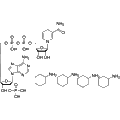
  • NADPH tetracyclohexanamine
    Cat. No.
    A27065

    NADPH tetracyclohexanamine

    NADPH tetracyclohexanamine serves as a critical cofactor in numerous metabolic and biosynthetic pathways. This compound acts as an endogenous inhibitor of ferroptosis, contributing to cell survival under oxidative stress. It is essential for the biosynthesis of various agents, chiral alcohols, fatty acids, and biopolymers, while also playing a significant role in lipid biosynthesis, biomass formation, and cellular replication.

    10 mg
    $20.00
    25 mg
    $30.00
    All 6 sizes
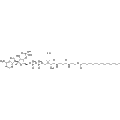
  • Myristoyl coenzyme A lithium
    Cat. No.
    A71504

    Myristoyl coenzyme A lithium

    Myristoyl Coenzyme A Lithium is a specific inhibitor of N-myristoyltransferase (NMT), which plays a critical role in myristoylation, a process that is vital for viral proliferation and has increased activity in colon epithelial tumors compared to normal cells. This compound functions by blocking the demyristoylation process, thereby regulating NMT activity, which may contribute to its potential anticancer and antiviral properties. Myristoyl Coenzyme A Lithium is valuable for research applications focusing on cancer biology and viral infection mechanisms.

    1 mg
    $160.00
    All 1 sizes
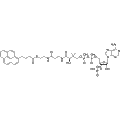
  • 1-Pyrenebutanoyl-CoA
    Cat. No.
    A73118

    1-Pyrenebutanoyl-CoA

    Synonyms: S-1-Pyrenebutanoate-CoA; Coenzyme A,S-1-pyrenebutanoate

    1-Pyrenebutanoyl-CoA is a coenzyme A derivative that functions as a non-competitive inhibitor of phosphorylating respiration in rat liver mitochondria, with a Ki value of 2 μM. Additionally, it acts as a competitive inhibitor of carnitine palmitoyl-CoA transferase and octanoyl-CoA transferase, exhibiting Ki values of 2.1 μM and 15 μM, respectively. This compound is important for studying mitochondrial function and metabolic pathways involving fatty acids and energy production.

    Out of stock

    All 3 sizes
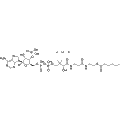
  • Hexanoyl coenzyme A trilithium
    Cat. No.
    A73271

    Hexanoyl coenzyme A trilithium

    Hexanoyl Coenzyme A trilithium serves as a hexanoyl-based medium-chain fatty acyl coenzyme A, prevalent across all organisms. It functions as a precursor for cannabinoid biosynthesis and acts as a competitive inhibitor of medium-chain acyl coenzyme A dehydrogenase (MCAD). This reagent is valuable for research applications focused on lipid metabolism and cannabinoid synthesis pathways.

    Out of stock

    All 3 sizes
  • Coenzyme A, S-2-decynoate
    Cat. No.
    A92821

    Coenzyme A, S-2-decynoate

    Coenzyme A, S-2-decynoate is a derivative of coenzyme A, primarily involved in acylation and various metabolic pathways. This compound acts as a substrate for enzymes participating in fatty acid metabolism and the synthesis of lipid derivatives. Its applications extend to biochemical research focused on metabolism, enzymology, and the development of metabolic inhibitors.

    Out of stock

    All 3 sizes

6 Items

Added to your cart

View Cart Checkout

    Loading...