Acyl-CoA & Cofactors

Acyl-coenzyme A (acyl-CoA) compounds and enzyme cofactors supply activated substrates and redox carriers for assays. Acyl-CoA thioesters carry acyl groups through fatty acid metabolism and serve as substrates for acyltransferases, dehydrogenases and carboxylases. Crotonyl-CoA is a short-chain unsaturated thioester and the acyl donor for histone lysine crotonylation. Reduced nicotinamide adenine dinucleotide (NADH) and its phosphorylated form NADPH donate electrons to dehydrogenases and reductases. NADPH is offered in several salt forms, including NADPH tetrasodium salt. Sapropterin dihydrochloride is a synthetic form of tetrahydrobiopterin, the cofactor of aromatic amino acid hydroxylases and nitric oxide synthases. Coenzyme FO, a deazaflavin, is the precursor of coenzyme F420 and a light-harvesting chromophore in some DNA photolyases.

Items 1-25 of 520

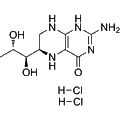
  • Sapropterin dihydrochloride
    Cat. No.
    A17905

    Sapropterin dihydrochloride

    Synonyms: (6R)-BH4 dihydrochloride; (6R)-Tetrahydro-L-biopterin dihydrochloride

    Sapropterin dihydrochloride, a cofactor for phenylalanine hydroxylase (PAH), is an orally active compound that plays a crucial role in reducing blood concentrations of phenylalanine. It is primarily utilized in the study of phenylketonuria (PKU), a genetic disorder characterized by elevated levels of phenylalanine. Additionally, research has indicated that sapropterin dihydrochloride may exacerbate experimental autoimmune encephalomyelitis (EAE), providing further insight into its biological mechanisms.

    5 mg
    $25.00
    10 mg
    $40.00
    All 5 sizes
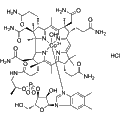
  • Hydroxocobalamin monohydrochloride
    Cat. No.
    A18210

    Hydroxocobalamin monohydrochloride

    Synonyms: Vitamin B12a monohydrochloride

    Hydroxocobalamin monohydrochloride is a naturally occurring form of vitamin B12 that acts as a key cofactor in various enzymatic reactions. It is primarily utilized in the treatment of vitamin B12 deficiency, including pernicious anemia, due to its favorable safety profile. This injectable form of vitamin B12 facilitates effective supplementation for enhancing hematopoiesis and neurological function in deficient patients.

    5 mg
    $20.00
    10 mg
    $25.00
    All 5 sizes
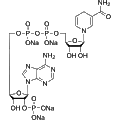
  • NADPH tetrasodium salt
    Cat. No.
    A26745

    NADPH tetrasodium salt

    NADPH tetrasodium salt is a crucial cofactor involved in various metabolic and biosynthetic pathways. It serves as an endogenous inhibitor of ferroptosis and is essential for the biosynthesis of agents, chiral alcohols, fatty acids, and biopolymers. Additionally, NADPH tetrasodium salt plays a significant role in lipid biosynthesis, biomass formation, and cell replication, making it valuable for research applications in metabolism and cellular biology.

    50 mg
    $40.00
    100 mg
    $50.00
    All 7 sizes
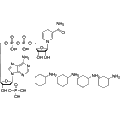
  • NADPH tetracyclohexanamine
    Cat. No.
    A27065

    NADPH tetracyclohexanamine

    NADPH tetracyclohexanamine serves as a critical cofactor in numerous metabolic and biosynthetic pathways. This compound acts as an endogenous inhibitor of ferroptosis, contributing to cell survival under oxidative stress. It is essential for the biosynthesis of various agents, chiral alcohols, fatty acids, and biopolymers, while also playing a significant role in lipid biosynthesis, biomass formation, and cellular replication.

    10 mg
    $20.00
    25 mg
    $30.00
    All 6 sizes
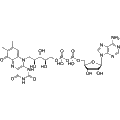
  • 6‑Hydroxy‑FAD
    Cat. No.
    A28049

    6‑Hydroxy‑FAD

    6-Hydroxy-FAD serves as a primary cofactor for cellobiose dehydrogenases derived from H. insolens. This compound demonstrates reduced catalytic activity compared to the standard FAD-reconstituted enzymes. Its role is crucial in studying enzyme mechanisms and the biochemical pathways involving cellobiose metabolism. Researchers utilize 6-hydroxy-FAD to investigate enzymatic function and cofactor dynamics in various bioenergy and microbial research applications.

    Out of stock

    All 3 sizes
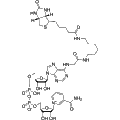
  • Biotin-NAD+
    Cat. No.
    A28975

    Biotin-NAD+

    Biotin-NAD+ is a biotin-conjugated form of β-NAD+ that serves as a substrate for poly(ADP-ribosyl) polymerase (PARP) enzymes. This reagent is essential for biochemical analysis, particularly in applications such as Western blotting, ELISA, and immunoprecipitation. Its role in monitoring PARP activity makes it valuable for research into DNA repair mechanisms and cellular stress responses.

    Out of stock

    All 3 sizes
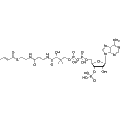
  • Crotonyl-CoA
    Cat. No.
    A29172

    Crotonyl-CoA

    Crotonyl-CoA is a derivative of coenzyme A and serves as a high-energy acyl donor. It plays a crucial role as an intermediate in the fermentation of butyric acid and the metabolism of lysine and tryptophan. As a substrate for p300's histone crotonyltransferase activity, Crotonyl-CoA competes with acetyl-CoA, influencing histone crotonylation levels in response to changes in cellular concentration. This compound is also essential for the activity of crotonyl-CoA reductase/carboxylase, facilitating NADPH-mediated reduction and carbon dioxide trapping. Crotonyl-CoA is useful for investigating the mechanisms of LPS-induced inflammatory responses.

    Out of stock

    All 3 sizes
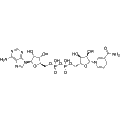
  • NADH
    Cat. No.
    A32007

    NADH

    NADH serves as a crucial cofactor for dehydrogenase enzymes, facilitating electron transfer in cellular respiration and ATP synthesis. This important metabolite enhances metabolic processes, supports cognitive function, and mitigates oxidative stress by participating in the electron transport chain. Moreover, NADH plays a regulatory role in various biological processes, including apoptosis, synaptic plasticity, gene expression, and calcium signaling. Dysregulation of the NADH/NAD⁺ redox balance has been implicated in the pathogenesis of several conditions, such as diabetic nephropathy, neurodegenerative disorders, and ischemia-reperfusion injury.

    Out of stock

    All 3 sizes
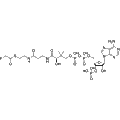
  • Fluoroacetyl-CoA
    Cat. No.
    A44534

    Fluoroacetyl-CoA

    Synonyms: Fluoroacetyl-coenzyme A

    Fluoroacetyl-CoA is a coenzyme A derivative that serves as an important substrate in metabolic and biochemical studies. It acts primarily as an acetyl donor in various enzymatic reactions, facilitating the introduction of fluorinated functional groups into biological molecules. This compound is valuable for research applications in metabolic engineering, drug design, and the study of metabolic pathways involving acetyl-CoA. Its unique fluorinated structure allows for the tracing and monitoring of metabolic processes in live cells.

    Out of stock

    All 3 sizes
  • Coenzyme FO
    Cat. No.
    A47986

    Coenzyme FO

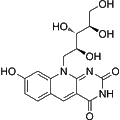
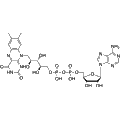
    Coenzyme FO, a deazaflavin chromophore, functions as a crucial hydride acceptor and donor within the central methanogenic pathway. This compound is integral in facilitating electron transfer reactions, playing a significant role in methanogenesis and microbial energy metabolism. Its utility in biochemical studies enhances understanding of methanogenic processes in various environments, making it an important reagent for research applications in microbiology and biochemistry.

    1 mg
    $120.00
    5 mg
    $300.00
    All 6 sizes
  • Acetyl-CoA synthetase
    Cat. No.
    A69166

    Acetyl-CoA synthetase

    Synonyms: ACS

    Acetyl-CoA Synthetase is a crucial enzyme that catalyzes the conversion of acetate into acetyl-CoA (Ac-CoA), facilitating the formation of thioester bonds between coenzyme A and carboxylic acids. This enzyme also hydrolyzes ATP, yielding AMP and pyrophosphate in the process. Due to its vital role in metabolic pathways, Acetyl-CoA synthetase is used in research applications focused on energy metabolism and lipid synthesis, providing insight into cellular function and regulation.

    5 mg
    $260.00
    All 1 sizes
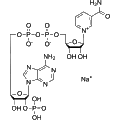
  • NAD sodium
    Cat. No.
    A71083

    NAD sodium

    Synonyms: β-DPN sodium; β-NAD sodium; β-Nicotinamide Adenine Dinucleotide sodium

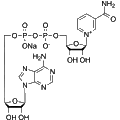
    NAD sodium is a crucial cofactor and homeostatic regulator that plays a significant role in cellular metabolism. It can be reduced to β-nicotinamide adenine dinucleotide (NADH) during oxidative reactions, facilitating ATP production within mitochondria. This compound is particularly relevant in research studying macrophage M2 polarization, non-alcoholic fatty liver disease, obesity, and glucose intolerance, making it a valuable reagent for investigations into metabolic syndrome and associated disorders.

    200 mg
    $25.00
    500 mg
    $30.00
    All 3 sizes
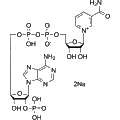
  • NADH disodium salt
    Cat. No.
    A71091

    NADH disodium salt

    Synonyms: Disodium NADH

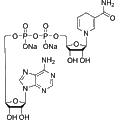
    NADH disodium salt is an orally active reduced coenzyme that functions as a crucial donor of ADP-ribose units in ADP-ribosylation reactions, as well as a precursor to cyclic ADP-ribose. This compound serves as a regenerative electron donor in cellular energy metabolism, facilitating processes such as glycolysis, β-oxidation, and the tricarboxylic acid (TCA) cycle. Its unique properties position NADH disodium salt as an important reagent for studies involving energy production and metabolic pathways.

    100 mg
    $20.00
    500 mg
    $35.00
    All 5 sizes
  • Flavin adenine dinucleotide
    Cat. No.
    A71103

    Flavin adenine dinucleotide

    Synonyms: FAD

    Flavin adenine dinucleotide (FAD) functions as a redox cofactor, acting as a prosthetic group for various metalloenzymes. It plays a crucial role in catalytic reactions, participating in metabolic processes such as respiration and the oxidation of fatty acids and amino acids. FAD is key for researchers studying enzymatic activities, metabolism, and the biochemical pathways involved in energy production.

    5 mg
    $30.00
    10 mg
    $45.00
    All 5 sizes
  • Lactyl-CoA
    Cat. No.
    A71113

    Lactyl-CoA

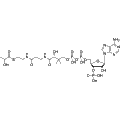
    Lactyl-CoA is an acyl-CoA derivative formed from the combination of coenzyme A and lactic acid. This compound plays a critical role in the biosynthesis of biodegradable and biocompatible lactic acid-based copolymers. Researchers utilize Lactyl-CoA to investigate its potential applications in green chemistry and sustainable materials development.

    1 mg
    $580.00
    5 mg
    $1,350.00
    All 5 sizes
  • Methylcobalamin
    Cat. No.
    A71118

    Methylcobalamin

    Synonyms: Mecobalamin; CH3-B12

    Methylcobalamin is a bioactive form of vitamin B12 that serves as a crucial cofactor in enzymatic reactions, particularly in the conversion of homocysteine to methionine. This compound plays an essential role in DNA synthesis, fatty acid metabolism, and maintaining neurological health. Methylcobalamin is widely used in research applications exploring neurological disorders, metabolic pathways, and the biochemical role of vitamin B12 in cellular functions.

    100 mg
    $35.00
    500 mg
    $70.00
    All 2 sizes
  • Succinyl-Coenzyme A sodium
    Cat. No.
    A71139

    Succinyl-Coenzyme A sodium

    Synonyms: Succinyl-CoA sodium

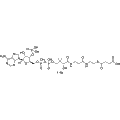
    Succinyl-Coenzyme A sodium is a crucial intermediate in the tricarboxylic acid cycle and serves as a significant coenzyme A derivative. This compound is essential for heme biosynthesis and gluconeogenesis, functioning as a critical precursor in these metabolic pathways. Insufficient levels of succinyl-CoA, often associated with cobalamin deficiency, can lead to growth retardation, impaired heme synthesis, and various neurological disorders. Succinyl-CoA sodium is valuable for research focused on metabolic, neurological, and hematological conditions, particularly those stemming from vitamin B12 deficiency and subsequent disruptions in succinyl-Coenzyme A synthesis.

    1 mg
    $75.00
    5 mg
    $235.00
    All 6 sizes
  • NADP sodium salt
    Cat. No.
    A71169

    NADP sodium salt

    Synonyms: Sodium NADP

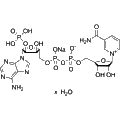
    NADP sodium salt is the sodium salt form of nicotinamide adenine dinucleotide phosphate (NADP), a crucial redox coenzyme involved in cellular electron transfer reactions. NADP exists in its oxidized (NADP+) and reduced (NADPH) forms, enabling it to maintain cellular redox homeostasis and regulate various biological processes, including metabolism and inflammation. As a universal electron donor, NADPH provides the reducing power necessary for synthetic metabolic reactions and plays a critical role in maintaining redox balance and cellular function. This reagent is valuable for research in metabolic pathways, oxidative stress, and related fields.

    25 mg
    $25.00
    50 mg
    $30.00
    All 4 sizes
  • NADP disodium salt
    Cat. No.
    A71186

    NADP disodium salt

    Synonyms: Disodium NADP

    NADP disodium salt is the disodium salt form of nicotinamide adenine dinucleotide phosphate (NADP), a crucial redox coenzyme involved in cellular electron transfer reactions. It alternates between its oxidized form (NADP+) and reduced form (NADPH), playing a vital role in maintaining cellular redox homeostasis. NADPH serves as a universal electron donor, facilitating synthetic metabolic reactions and regulating key biological processes, including inflammation and metabolic pathways. This reagent is essential for research in cellular metabolism and redox biology.

    25 mg
    $25.00
    50 mg
    $30.00
    All 4 sizes
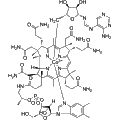
  • Adenosylcobalamin
    Cat. No.
    A71189

    Adenosylcobalamin

    Synonyms: Coenzyme B12; Cobamamide; AdoCbl

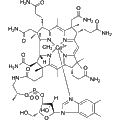
    Adenosylcobalamin (Coenzyme B12; Cobamamide; AdoCbl) is the biologically active form of Vitamin B12, serving as a crucial cofactor for methylmalonyl CoA mutase. This enzyme plays a significant role in the metabolism of certain amino acids and fatty acids, facilitating the conversion of methylmalonyl CoA to succinyl CoA. It is particularly valuable in studies related to metabolic disorders and vitamin B12 deficiency. Research applications include enzymatic assays and investigations into metabolic pathways involving branched-chain amino acids.

    25 mg
    $40.00
    50 mg
    $55.00
    All 3 sizes
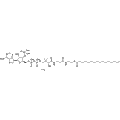
  • Palmitoyl coenzyme A lithium
    Cat. No.
    A71211

    Palmitoyl coenzyme A lithium

    Synonyms: Palmitoyl CoA lithium

    Palmitoyl coenzyme A lithium is an acyl-CoA thioester that primarily targets the palmitoyl CoA pathway. It plays a vital role in β-oxidation by being transported into the mitochondrial matrix through the carnitine shuttle system. Additionally, palmitoyl coenzyme A lithium serves as a substrate in sphingosine biosynthesis, making it useful for research in lipid metabolism and cellular signaling pathways.

    1 mg
    $160.00
    5 mg
    $540.00
    All 3 sizes
  • Coenzyme A sodium
    Cat. No.
    A71282

    Coenzyme A sodium

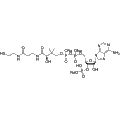
    Coenzyme A sodium is a vital cofactor, acting as an acyl group carrier and a carbonyl-activating agent, essential for the citric acid cycle and fatty acid metabolism. It facilitates the oxidation of pyruvate and the metabolism of diverse carboxylic acids, including both short- and long-chain fatty acids. This compound is critical for research applications focused on metabolic pathways, energy production, and lipid metabolism.

    5 mg
    $80.00
    10 mg
    $135.00
    All 5 sizes
  • NADP sodium hydrate
    Cat. No.
    A71368

    NADP sodium hydrate

    NADP sodium hydrate is the sodium salt form of NADP, a crucial redox coenzyme in cellular electron transfer reactions. It exists in two interconvertible states, NADP+ and NADPH, facilitating cellular redox homeostasis and regulating various biological processes, including metabolism and inflammation. NADPH acts as a universal electron donor, providing the reducing power necessary for synthetic metabolic reactions and maintaining redox balance, making it essential for studies focused on metabolic disorders and oxidative stress.

    100 mg
    $30.00
    250 mg
    $60.00
    All 4 sizes
  • Propionyl coenzyme A lithium
    Cat. No.
    A71378

    Propionyl coenzyme A lithium

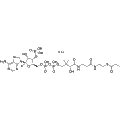
    Propionyl coenzyme A lithium is a coenzyme A derivative that plays a critical role in cellular metabolism as a thioester formed from propionic acid. This compound is essential for the metabolism of propionic acid, facilitating both its breakdown and biosynthesis pathways. Its crucial involvement in metabolic processes makes it significant for research in biochemistry and metabolic engineering.

    1 mg
    $255.00
    All 1 sizes
  • Myristoyl coenzyme A lithium
    Cat. No.
    A71504

    Myristoyl coenzyme A lithium

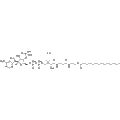
    Myristoyl Coenzyme A Lithium is a specific inhibitor of N-myristoyltransferase (NMT), which plays a critical role in myristoylation, a process that is vital for viral proliferation and has increased activity in colon epithelial tumors compared to normal cells. This compound functions by blocking the demyristoylation process, thereby regulating NMT activity, which may contribute to its potential anticancer and antiviral properties. Myristoyl Coenzyme A Lithium is valuable for research applications focusing on cancer biology and viral infection mechanisms.

    1 mg
    $160.00
    All 1 sizes

Items 1-25 of 520

Added to your cart

View Cart Checkout

    Loading...