- Cat. No.
- A22647
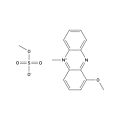
Methoxy-PMS
Synonyms: 1-Methoxy PMS; 1-Methoxyphenazine methosulfate
Methoxy-PMS (1-Methoxy PMS), an active oxygen formation inducer, is stable electron-transport mediator between NAD(P)H and tetrazolium dyes.
Search by product name, CAS, target or catalog number. Press Down Arrow to reach product suggestions, Tab to move between links, and Escape to close suggestions.
Biochemical Assay Reagents collects small molecules used to prepare, run and calibrate biochemical and cell-based assays. Vitamins and cofactors such as niacin, riboflavin and biotin sit alongside sugars, sugar alcohols and amino acids such as L-arginine. Enzyme substrates and metal-ion chelators complete the range, including the calcium chelator 1,2-bis(2-aminophenoxy)ethane-N,N,N′,N′-tetraacetic acid (BAPTA). Three subcategories group related reagents, namely Carbohydrates & Glycobiology, Acyl-CoA & Cofactors for acyl-coenzyme A (acyl-CoA) compounds, and Chelators & Bifunctional Chelators. Most of these compounds act as substrates, cofactors, standards or buffer components rather than as inhibitors of a defined target.
Synonyms: 1-Methoxy PMS; 1-Methoxyphenazine methosulfate
Methoxy-PMS (1-Methoxy PMS), an active oxygen formation inducer, is stable electron-transport mediator between NAD(P)H and tetrazolium dyes.
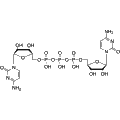
Synonyms: Cp3C
Dicytidine 5′-triphosphate (Cp3C) is a cytosine-containing dinucleoside polyphosphate that acts as a modulator of intracellular signaling pathways. This compound inhibits the intracellular accumulation of trans-resveratrol and trans-piceid, impacting cellular responses to these natural compounds. Additionally, Dicytidine 5′-triphosphate induces the expression of CCR2 and upregulates the expression of PAL1 and 4CL1, highlighting its potential role in studies related to inflammation and phenylpropanoid metabolism.
Out of stock
All 3 sizes
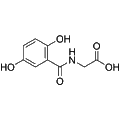
Gentisuric acid, a metabolite of Aspirin, serves as a substrate for α-amidating monooxygenase (PAM). This compound exhibits protective properties against DNA damage induced by Mitomycin C, making it valuable for research in cellular stress responses and the study of DNA repair mechanisms. Gentisuric acid is essential for understanding the biochemical pathways influenced by Aspirin and its metabolites.
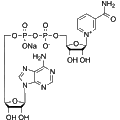
Synonyms: β-DPN sodium; β-NAD sodium; β-Nicotinamide Adenine Dinucleotide sodium
NAD sodium is a crucial cofactor and homeostatic regulator that plays a significant role in cellular metabolism. It can be reduced to β-nicotinamide adenine dinucleotide (NADH) during oxidative reactions, facilitating ATP production within mitochondria. This compound is particularly relevant in research studying macrophage M2 polarization, non-alcoholic fatty liver disease, obesity, and glucose intolerance, making it a valuable reagent for investigations into metabolic syndrome and associated disorders.
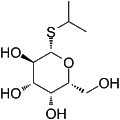
Synonyms: Isopropyl β-D-thiogalactoside
IPTG (Isopropyl β-D-1-thiogalactopyranoside) acts as a molecular mimic of allolactose and serves as an inducer of the lac operon. This compound effectively triggers transcription in systems where gene expression is regulated by the lac operator, enabling controlled protein expression in biological research. IPTG is widely utilized in molecular biology and recombinant protein studies to regulate the activity of target genes within prokaryotic expression systems.
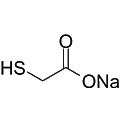
Thioglycolate sodium is an inflammation inducer that stimulates neutrophil and macrophage recruitment in vivo. This reagent is commonly utilized in research to induce peritonitis, allowing for the study of inflammatory responses and mechanisms in various biological contexts.
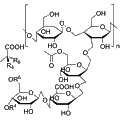
Xanthan gum serves as a hydrogel modulator by enhancing the viscosity and stability of hydrogels through hydrogen bonding interactions with gelatin. This compound not only promotes cell growth but also facilitates a microenvironment that supports cell differentiation. Additionally, xanthan gum has been shown to induce pro-inflammatory responses by elevating levels of inflammatory cytokines such as TNF-α, IL-6, and IL-10. Its properties make xanthan gum a valuable reagent for research in inflammation and immunology.
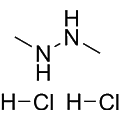
Synonyms: 1,2-Dimethylhydrazine dihydrochloride
N,N'-Dimethylhydrazine dihydrochloride is a potent tumor inducer targeting colon cancer pathways. This compound is widely used in rodent models to study the mechanisms of tumorigenesis and cancer progression. It serves as a valuable tool in cancer research, enabling the investigation of therapeutic approaches and the assessment of potential chemopreventive agents.
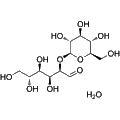
Synonyms: 2-O-beta-D-Glucopyranosyl-D-glucopyranose monohydrate
Sophorose monohydrate is a disaccharide that acts as a biochemical assay reagent, primarily distinguished by its role in microbial glycolipids. This compound exhibits significant biological activities, including antibacterial, antifungal, spermicidal, virucidal, and anticancer properties. In research applications, sophorose monohydrate has been identified as a potent inducer of cellulase gene expression in Trichoderma reesei fermentation, making it valuable for studies focused on enzyme production and biosurfactant development.
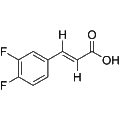
Synonyms: (E)-3-(3,4-Difluorophenyl)acrylic acid
trans-3,4-Difluorocinnamic acid is a biochemical reagent that functions as a modulator of signaling pathways by inhibiting specific enzymes involved in tumor growth. Its key biological activities include anti-inflammatory and anticancer effects, making it a valuable tool in cancer research and drug development. This compound can be utilized in various experimental settings to investigate the molecular mechanisms underlying disease processes and to evaluate potential therapeutic strategies.
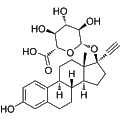
Ethynyl estradiol 17-β-D-glucuronide is a glycosylated form of the estrogen receptor modulator, specifically targeting glycobiology applications. This compound plays a critical role in the study of glycan structures and their biological implications, facilitating research into carbohydrate chemistry, enzyme interactions, and protein-glycan recognition. Its utility extends to investigations in basic research, biomedicine, and biotechnology, aiding in the understanding of glycan-related processes in various biological systems.
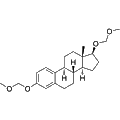
3,17β-O-Bis(methoxymethyl)estradiol is a biochemical assay reagent that functions as a selective estrogen receptor modulator. This compound exhibits significant biological activity by modulating estrogen receptor pathways, making it useful in various research applications, including hormone signaling studies and the investigation of estrogen-related diseases. Its unique structure and properties facilitate the study of estrogen receptor interactions and can aid in the development of therapeutic interventions.
Out of stock
All 3 sizes
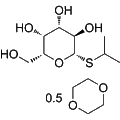
Synonyms: β-D-1-thiogalactopyranoside hemidioxane
IPTG hemidioxane, also known as β-D-1-thiogalactopyranoside hemidioxane, serves as a potent biochemical reagent primarily utilized as an inducer of the lac operon in molecular biology research. It effectively promotes the expression of proteins in bacterial systems, enhancing the study of gene function and protein production. This reagent is essential for assays requiring controlled gene expression and is widely used in recombinant protein technology.
Out of stock
All 3 sizes
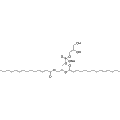
Dimyristoylphosphatidylglycerol sodium is a biochemical assay reagent that primarily functions as a phospholipid modulator. It plays a critical role in membrane-related studies due to its ability to influence membrane fluidity and stability. This compound is often utilized in research applications such as vesicle formation, liposome preparation, and membrane protein interactions, making it an essential tool for researchers investigating lipid biochemistry and cellular processes.
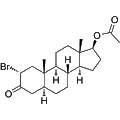
17β-Acetoxy-2α-bromo-5α-androstan-3-one is a biochemical assay reagent that functions as a steroid derivative. This compound exhibits significant biological activity as a selective androgen receptor modulator, making it useful for research focused on steroid hormone signaling and metabolic processes. It is valuable for studies investigating androgen-related disorders and the mechanistic pathways influenced by androgens in various biological systems.
Out of stock
All 3 sizes
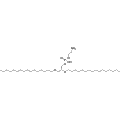
2-Aminoethyl ((R)-2,3-bis(hexadecyloxy)propyl) hydrogen phosphate functions as an ester product. This compound is utilized in biochemical research for its role in lipid-based systems and as a potential modulator of cellular membrane dynamics. Its application extends to studies on membrane biophysics and the design of novel drug delivery systems.
Out of stock
All 3 sizes
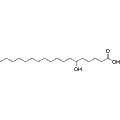
6-Hydroxyoctadecanoic acid is a fatty acid derivative characterized by its hydroxyl group at the sixth carbon position. This compound exhibits significant biological activity as a potential modulator of lipid metabolism and plays a role in cell signaling pathways. It is utilized in various research applications including studies on metabolic diseases, lipid biochemistry, and the development of novel therapeutic agents targeting metabolic disorders.
Out of stock
All 3 sizes
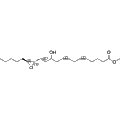
Methyl 14(S),15(S)-epoxy-11(R,S)-hydroxy-5(Z),8(Z),12(E)-eicosatrienoate is a bioactive ester compound. It serves as a significant modulator of lipid metabolism and is utilized in research focused on lipid signaling pathways. This compound may be applicable in studies exploring the roles of fatty acid derivatives in cellular processes and their implications in various diseases.
Out of stock
All 3 sizes
Synonyms: 3-ccPA 18:1
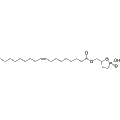
Oleoyl 3-carbacyclic phosphatidic acid is a biochemical reagent that serves as a modulator of lipid signaling pathways. This compound has been shown to enhance the activity of certain phospholipase enzymes, thereby influencing cellular processes such as proliferation and apoptosis. Its unique structure makes it a valuable tool for investigating lipid metabolism and the role of phosphatidic acid in various biological phenomena.
Synonyms: S-Nitroso-coenzyme A; SNO-CoA; SNO-coenzyme A
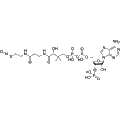
S-Nitroso-CoA is a nitrosothiol derivative of coenzyme A, where the thiol group has been substituted with a nitrososulfanediyl group. This compound plays a crucial role in nitric oxide signaling pathways and has implications in redox biology. Researchers utilize S-Nitroso-CoA to investigate its effects on cellular processes such as metabolism, signal transduction, and as a potential modulator in various disease models.
Out of stock
All 3 sizes
Synonyms: 2,6,10-Trimethyldodecane; Hemisqualane
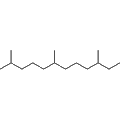
Farnesane (2,6,10-Trimethyldodecane; Hemisqualane) is an isoprenoid derivative targeting biochemical pathways in insects. It serves as a modulator of juvenile hormone activity, making it valuable for studies in insect physiology and development. This compound is suitable for research applications aimed at understanding hormonal regulation and insect growth processes.
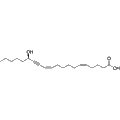
(5Z,11Z,15R)-15-Hydroxyeicosa-5,11-dien-13-ynoic acid serves as a biochemical reagent with pivotal roles in research applications concerning inflammatory pathways and lipid signaling. This compound acts as a modulator of eicosanoid synthesis, influencing various biological processes associated with inflammation, pain, and cellular responses. It is utilized in studies aimed at understanding the intricate mechanics of lipid mediators and their impact on human health.
Synonyms: Ro 15-0778
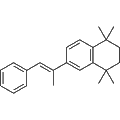
Temarotene is a potent arotinoid that primarily functions as a selective retinoid receptor modulator. It exhibits significant biological activity by influencing gene expression pathways associated with cell differentiation and growth. This compound is utilized in biochemical assays to explore retinoid signaling mechanisms and their implications in various cellular processes, making it a valuable tool for researchers in developmental biology and cancer research.
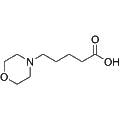
5-(Morpholin-4-yl)pentanoic acid is a biochemical assay reagent that serves as a versatile tool in life science research. This compound is utilized primarily in the evaluation of enzymatic activities and as a potential modulator in various biochemical pathways. Its unique structure allows for diverse applications in pharmacology and molecular biology studies.