Metal-Organic Frameworks (MOFs)

Metal-organic framework (MOF) linkers are organic ligands that join metal ions into porous crystalline networks. Carboxylic acids form a major ligand family, from the flexible glutaric acid to rigid aromatic acids such as [1,1′-Biphenyl]-2,3′,4,5′,6-pentacarboxylic acid. Phosphonate linkers such as butane-1,4-diyldiphosphonic acid bind metals through their phosphonic acid groups. Nitrogen-donor ligands include the tetrahedral pyridyl linker 1,3,5,7-tetrakis(4-(pyridin-4-yl)phenyl)adamantane and the imidazole-based di(1H-imidazol-1-yl)dimethylsilane. Linker length, geometry and functional groups shape the pore size, topology and surface chemistry of the resulting framework. Such frameworks are studied for gas storage and separation, catalysis, sensing and drug delivery. Some entries are synthetic precursors used to prepare functionalized linkers rather than linkers themselves.

1 Item

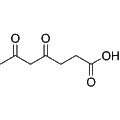
  • 4,6-Dioxoheptanoic acid
    Cat. No.
    A71150

    4,6-Dioxoheptanoic acid

    Synonyms: Succinylacetone

    4,6-Dioxoheptanoic acid is an inhibitor of heme biosynthesis, specifically targeting the biosynthetic pathway of porphyrins. It exhibits biological activity by interfering with key enzymatic processes involved in heme formation. This compound is useful in studies related to iron metabolism, porphyrias, and the regulation of heme-dependent enzymes in various biological contexts. Its application in chemical research provides valuable insight into metabolic regulation and related disorders.

    5 mg
    $25.00
    10 mg
    $40.00
    All 4 sizes

1 Item

Added to your cart

View Cart Checkout

    Loading...