Pharmaceutical Excipients

Pharmaceutical excipients are inactive formulation ingredients that control form, stability and release behavior. Research on excipients covers solubility, dissolution, emulsion stability and compatibility with active compounds. Cellulose and the cellulose ether hydroxypropyl cellulose serve as binders, fillers and film-forming polymers. Sulfobutylether-β-cyclodextrin (SBE-β-CD) forms inclusion complexes that raise the aqueous solubility of hydrophobic compounds. Sodium benzoate is used as a preservative, and dipotassium hydrogen phosphate as a buffering salt. Emulsifiers include soya lecithin and the co-emulsifier dilaurylglycerosulfate, while 1-hydroxyoctadecane, also called stearyl alcohol, thickens creams. ALC-0159, a polyethylene glycol (PEG) lipid, is an excipient of lipid nanoparticle vaccine formulations.

1 Item

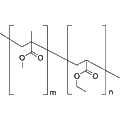
  • Ethyl acrylate-methyl methacrylate copolymer
    Cat. No.
    A89959

    Ethyl acrylate-methyl methacrylate copolymer

    Ethyl acrylate-methyl methacrylate copolymer serves as a pharmaceutical excipient with applications in sustained-release coatings and matrix binders for controlled drug delivery systems. This polymer enhances the stability, solubility, and processability of pharmaceutical formulations. Additionally, it plays a crucial role in modulating the absorption, distribution, metabolism, and elimination (ADME) profiles of co-administered active pharmaceutical ingredients, thereby optimizing therapeutic efficacy.

    100 mg
    $20.00
    500 mg
    $35.00
    All 3 sizes

1 Item

Added to your cart

View Cart Checkout

    Loading...