Protein Kinase C (PKC)

Protein kinase C (PKC) inhibitors and activators act on a family of lipid-regulated serine/threonine kinases. Conventional PKC isoforms require calcium and diacylglycerol, novel isoforms need only diacylglycerol, and atypical isoforms respond to neither. Tumor-promoting phorbol esters mimic diacylglycerol and were shown in 1982 to activate PKC directly. 12-O-tetradecanoyl phorbol-13-acetate (TPA) is the standard activator of this kind, and ingenol mebutate also activates several isoforms. Staurosporine was first described as a PKC inhibitor but blocks a wide range of protein kinases. Enzastaurin is selective for PKCβ, while GO6983 and Ro 31-8220 mesylate inhibit multiple conventional and novel isoforms.

Items 26-31 of 31

  • 12-Deoxyphorbol 13-isobutyrate
    Cat. No.
    A46240

    12-Deoxyphorbol 13-isobutyrate

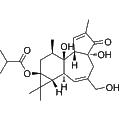
    12-Deoxyphorbol 13-isobutyrate is a potent activator of PKCα, derived from the latex of Euphorbia resinifera. It enhances the proliferation and activation of neural stem cells (NSCs) and promotes the release of TGFα, demonstrating a significant role in neurogenesis. Additionally, this compound has been shown to improve cognitive performance and hippocampal neurogenesis in senescence-accelerated mouse-prone (SAMP8) models, making it a valuable reagent for research into neurodegenerative diseases.

    25 mg
    $5,435.00
    50 mg
    $7,035.00
    All 3 sizes
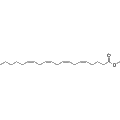
  • Methyl arachidonate
    Cat. No.
    A46253

    Methyl arachidonate

    Synonyms: Arachidonic acid methyl ester

    Methyl arachidonate is an activator of protein kinase C, functioning as an orally active substrate that is subject to esterase-mediated hydrolysis. It promotes the indirect activation of protein kinase C through the generation of eicosanoid metabolites from the arachidonic acid metabolic pathway, demonstrating differential effects via cyclooxygenase products at low concentrations and lipoxygenase products at elevated concentrations. This compound is valuable for investigations into mechanisms related to lipodystrophy.

    25 mg
    $110.00
    50 mg
    $200.00
    All 4 sizes
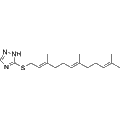
  • Farnesylthiotriazole
    Cat. No.
    A46259

    Farnesylthiotriazole

    Synonyms: FTT

    Farnesylthiotriazole (FTT) is a potent activator of protein kinase C (PKC), with a dissociation constant (Kd) of 0.8 μM. This compound plays a significant role in various signaling pathways, making it a valuable tool in cancer research. Its ability to modulate PKC activity can aid in the investigation of tumor biology and therapeutic strategies targeting PKC-related pathways.

    25 mg
    $1,275.00
    50 mg
    $1,625.00
    All 3 sizes
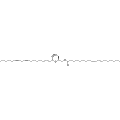
  • 1-Oleoyl-2-linoleoyl-sn-glycerol
    Cat. No.
    A46260

    1-Oleoyl-2-linoleoyl-sn-glycerol

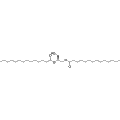
    1-Oleoyl-2-linoleoyl-sn-glycerol is a diacylglycerol that acts as an activator of protein kinase C (PKC). This activation initiates downstream signaling cascades that are vital in promoting tumor growth, making it a relevant compound for cancer research. Its role in the signaling pathways related to breast cancer highlights its potential use in studying tumorigenesis and therapeutic strategies.

    Out of stock

    All 3 sizes
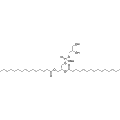
  • 1,2-Dipentadecanoyl-sn-glycero-3-phospho-(1'-rac-glycerol) sodium
    Cat. No.
    A46261

    1,2-Dipentadecanoyl-sn-glycero-3-phospho-(1'-rac-glycerol) sodium

    1,2-Dipentadecanoyl-sn-glycero-3-phospho-(1'-rac-glycerol) sodium is a potent activator of the protein kinase C (PKC) family. This anionic phospholipid is integral to mitochondrial and microsomal membranes, significantly contributing to the composition and function of lung surfactant, particularly within lamellar body membranes in the lungs. Its unique properties make it a valuable tool for studying PKC-mediated signaling pathways and lung physiology.

    Out of stock

    All 3 sizes
  • 1,2-Dimyristoyl-sn-glycerol
    Cat. No.
    A52270

    1,2-Dimyristoyl-sn-glycerol

    1,2-Dimyristoyl-sn-glycerol is a saturated diacylglycerol that acts as a weak second messenger for the activation of Protein Kinase C (PKC). This compound is utilized in research applications to study PKC signaling pathways, which are crucial in various cellular processes including growth, differentiation, and apoptosis. As a PKC activator, it can help elucidate the role of PKC in different biological contexts and disease models.

    50 mg
    $25.00
    100 mg
    $40.00
    All 4 sizes

Items 26-31 of 31

Added to your cart

View Cart Checkout

    Loading...