MMP

Matrix metalloproteinase (MMP) inhibitors block zinc endopeptidases that degrade collagen and other matrix proteins. The first such activity, a collagenase, was detected in amphibian tissue culture in 1962. MMPs remodel tissue during development and wound repair, and they help tumor cells invade surrounding matrix. Membrane type 1 MMP (MT1-MMP, MMP-14), described in 1994, is anchored on the surface of invasive tumor cells. Batimastat, marimastat and GM 6001 are hydroxamate compounds that chelate the catalytic zinc and inhibit a wide range of MMPs. More selective tools include NSC 405020 for MT1-MMP and T-26c for MMP-13. Metalloproteases of the related ADAM family are listed in the neighboring ADAMs category.

1 Item

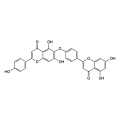
  • Hinokiflavone
    Cat. No.
    A24549

    Hinokiflavone

    Hinokiflavone is a naturally occurring biflavonoid isolated from plants, recognized as a novel modulator of pre-mRNA splicing. It exhibits diverse biological activities, including anti-inflammatory, antitumor, and antiviral effects. Mechanistically, Hinokiflavone acts as a potent inhibitor of matrix metalloproteinases (MMPs) and suppresses the virulence of methicillin-resistant Staphylococcus aureus (MRSA) by targeting caseinolytic protease P (ClpP) with an IC₅₀ of 34.36 µg/mL. In cancer models, Hinokiflavone triggers apoptosis through a reactive oxygen species (ROS)-dependent, mitochondria-mediated pathway and suppresses tumor cell migration and invasion. Additionally, it functions as a SUMO protease inhibitor, effectively blocking sentrin-specific protease 1 (SENP1) activity.

    1 mg
    $23.00
    5 mg
    $68.00
    All 4 sizes

1 Item

Added to your cart

View Cart Checkout

    Loading...