EGFR/HER2

EGFR and HER2 inhibitors act on two closely related receptor tyrosine kinases of the ErbB family. The epidermal growth factor receptor (EGFR, ErbB1) and human epidermal growth factor receptor 2 (HER2, ErbB2) form dimers with each other and with ErbB3 and ErbB4. Receptor activation engages the mitogen-activated protein kinase (MAPK) and phosphoinositide 3-kinase (PI3K) pathways that control cell growth. Activating EGFR mutations in non-small-cell lung cancer have made the receptor a central model in kinase inhibitor research. Gefitinib and erlotinib are reversible EGFR inhibitors, and lapatinib inhibits both EGFR and HER2. Osimertinib binds covalently to EGFR carrying the T790M resistance mutation, and neratinib irreversibly inhibits HER2 and EGFR.

Items 176-200 of 469

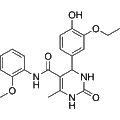
  • EGFR-IN-159
    Cat. No.
    A28559

    EGFR-IN-159

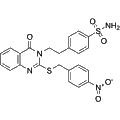
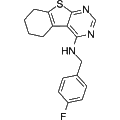
    EGFR-IN-159 is a potent inhibitor of the epidermal growth factor receptor (EGFR), exhibiting an IC50 value of 29.00 nM. This dihydropyrimidine compound demonstrates dose-dependent inhibition of both EGFR and HER2, leading to significant cytotoxic effects in MCF-7 breast cancer cells and Vero cells, with IC50 values of 16.07 μg/mL and 35.98 μg/mL, respectively. Additionally, EGFR-IN-159 does not cross the blood-brain barrier, making it a valuable candidate for targeted anti-cancer therapies. Its potent anti-cancer activity highlights its potential for research applications in oncology.

    Out of stock

    All 3 sizes
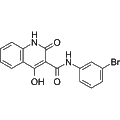
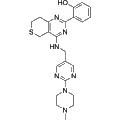
  • EGFR T790M/L858R-IN-8
    Cat. No.
    A28561

    EGFR T790M/L858R-IN-8

    EGFR T790M/L858R-IN-8 is a selective inhibitor of the epidermal growth factor receptor (EGFR) mutations T790M and L858R, exhibiting an IC50 value of 56.8 μM. This compound is relevant in cancer research, particularly for investigating the effects of these mutations on cell proliferation in various cancer cell lines, including A549, A431, and NHI-H1975. Although the anti-proliferative activity of EGFR T790M/L858R-IN-8 is not significant in these lines, it serves as a useful tool for studying resistance mechanisms in EGFR-targeted therapies.

    5 mg
    $55.00
    10 mg
    $85.00
    All 5 sizes
  • EGFR-IN-104
    Cat. No.
    A28562

    EGFR-IN-104

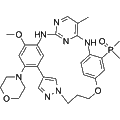
    EGFR-IN-104 is a potent inhibitor of the epidermal growth factor receptor (EGFR), demonstrating IC50 values of 0.33 μM against the EGFRL858R/T790M mutant and 0.133 μM against the EGFRDel19/T790M/C797S variant. This compound exhibits significant anticancer activity, making it a valuable tool for cancer research and therapeutic studies, particularly in the context of resistant EGFR mutant forms. Its ability to inhibit EGFR signaling pathways positions EGFR-IN-104 as an important reagent for exploring targeted cancer therapies.

    25 mg
    $1,275.00
    50 mg
    $1,625.00
    All 3 sizes
  • EGFR/HER2/CDK9-IN-2
    Cat. No.
    A28564

    EGFR/HER2/CDK9-IN-2

    EGFR/HER2/CDK9-IN-2 is a potent inhibitor targeting EGFR, HER2, and CDK9, exhibiting IC50 values of 145.35 nM, 129.07 nM, and 117.13 nM, respectively. This compound demonstrates significant antitumor activity, making it a valuable tool for cancer research. Its ability to concurrently inhibit these kinases positions it as a promising candidate for studies focused on targeted therapy and oncogenic signaling pathways.

    25 mg
    $1,275.00
    50 mg
    $1,625.00
    All 3 sizes
  • EGFR T790M/L858R-IN-6
    Cat. No.
    A28566

    EGFR T790M/L858R-IN-6

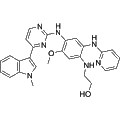
    EGFR T790M/L858R-IN-6 is a pyrimidine-based inhibitor specifically targeting the EGFR mutations T790M and L858R. This compound demonstrates potent inhibitory activity, achieving 90.88% inhibition of enzyme activity at a concentration of 0.05 μM. It serves as a valuable tool for research focused on the development of targeted therapies for EGFR-mutant cancers.

    Out of stock

    All 3 sizes
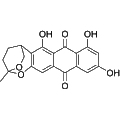
  • UNC-CA359
    Cat. No.
    A28569

    UNC-CA359

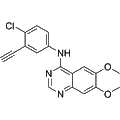
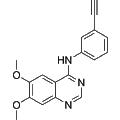
    UNC-CA359 is a potent inhibitor of the epidermal growth factor receptor (EGFR), demonstrating an IC50 value of 18 nM. This compound exhibits significant anti-tumor activity and is particularly applicable in chordoma research. Additionally, UNC-CA359 features an alkyne functional group, enabling it to participate in copper-catalyzed azide-alkyne cycloaddition (CuAAc) reactions with azide-containing molecules, making it a valuable tool in click chemistry applications.

    25 mg
    $1,275.00
    50 mg
    $1,625.00
    All 3 sizes
  • EGFR-IN-136
    Cat. No.
    A28570

    EGFR-IN-136

    EGFR-IN-136 is a potent inhibitor of the epidermal growth factor receptor (EGFR), demonstrating IC50 values of 20.2 nM for EGFRWT, 1.2 nM for EGFRLR/TM, 2.3 nM for EGFR19D/TM/CS, and 12.5 nM for EGFRLR/TM/CS. This compound exhibits significant antiproliferative and antitumor activity, making it a valuable tool for research involving non-small cell lung cancer (NSCLC). Its selective inhibition of various EGFR mutations positions EGFR-IN-136 as an important reagent for investigating therapeutic strategies targeting EGFR-related pathways.

    Out of stock

    All 3 sizes
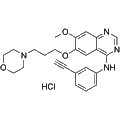
  • EGFR-IN-145
    Cat. No.
    A28571

    EGFR-IN-145

    EGFR-IN-145 is a selective inhibitor of the epidermal growth factor receptor (EGFR) kinase. At a concentration of 20 μM, it demonstrates a 52.7% inhibition of EGFR-wild type kinase activity. This compound is valuable for research in cancer biology, particularly in the study of oncogenic signaling pathways and the development of targeted therapies for EGFR-driven tumors.

    1 mg
    $35.00
    5 mg
    $110.00
    All 6 sizes
  • NSC81111
    Cat. No.
    A28573

    NSC81111

    NSC81111 is a potent orally active inhibitor of the epidermal growth factor receptor tyrosine kinase (EGFR-TK), demonstrating an IC50 of 0.15 nM. This compound exhibits significant antitumor activity, making it a valuable tool for cancer research. Its efficacy in targeting EGFR pathways positions NSC81111 as a promising candidate for studies focused on cancer therapeutics and mechanisms of resistance.

    25 mg
    $1,275.00
    50 mg
    $1,625.00
    All 3 sizes
  • Paeciloquinone D
    Cat. No.
    A28575

    Paeciloquinone D

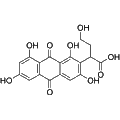
    Paeciloquinone D is an inhibitor of the epidermal growth factor receptor (EGFR) protein tyrosine kinase. It exhibits significant biological activity by blocking EGFR signaling pathways, which are critical in tumor growth and proliferation. This compound is relevant for research applications focused on cancer biology and targeted therapies for EGFR-driven malignancies.

    Out of stock

    All 3 sizes
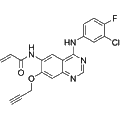
  • BML-265
    Cat. No.
    A28576

    BML-265

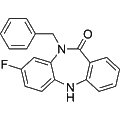
    BML-265 is a potent inhibitor of the epidermal growth factor receptor (EGFR) tyrosine kinase. It disrupts Golgi integrity and inhibits the secretory transport of various protein cargos in human cells, but shows no effect in rodent cells. This specificity makes BML-265 a valuable tool for studying EGFR signaling pathways and Golgi function in human cellular contexts.

    Out of stock

    All 3 sizes
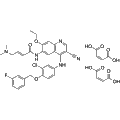
  • Tyrphostin 63
    Cat. No.
    A28578

    Tyrphostin 63

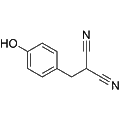
    Tyrphostin 63 is a selective inhibitor of the epidermal growth factor receptor (EGFR). Exhibiting an IC50 value of 375 μM and a Ki value of 123 μM, Tyrphostin 63 effectively modulates EGFR signaling pathways. This compound is primarily utilized in cancer research to investigate the role of EGFR in tumor proliferation and metastasis.

    Out of stock

    All 3 sizes
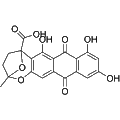
  • EGFR-IN-149
    Cat. No.
    A28579

    EGFR-IN-149

    EGFR-IN-149 is a selective inhibitor of the epidermal growth factor receptor (EGFR), exhibiting an IC50 of 0.42 nM. This compound effectively blocks EGFR signaling, which is crucial in regulating cellular proliferation and survival. Its prominent biological activity makes it a valuable tool for research applications focused on cancer therapies, particularly in studies involving EGFR-dependent tumor growth and resistance mechanisms.

    Out of stock

    All 3 sizes
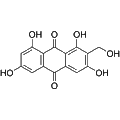
  • EGFR-IN-146
    Cat. No.
    A28580

    EGFR-IN-146

    EGFR-IN-146 is an inhibitor of the epidermal growth factor receptor (EGFR) that disrupts EGFR signaling, effectively enhancing insulin sensitivity through AMPK pathway activation. This compound exhibits significant potential in reducing blood glucose levels and body weight. EGFR-IN-146 is valuable for research applications focused on diabetes and obesity, offering insights into metabolic regulation and potential therapeutic options.

    1 mg
    $90.00
    5 mg
    $270.00
    All 5 sizes
  • DDC4002
    Cat. No.
    A28581

    DDC4002

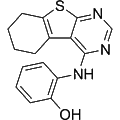
    DDC4002 is a selective inhibitor of the epidermal growth factor receptor (EGFR), targeting the L858R/T790M mutant subtype with an IC50 of 39 nM. This compound exhibits potent inhibitory activity, making it a valuable tool for cancer research, particularly in studies focused on therapeutic resistance in non-small cell lung cancer. Its application supports investigations into the mechanisms of EGFR-driven malignancies and offers insights into potential treatment strategies.

    Out of stock

    All 3 sizes
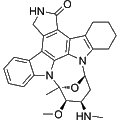
  • Paeciloquinone E
    Cat. No.
    A28583

    Paeciloquinone E

    Paeciloquinone E is a selective inhibitor of the epidermal growth factor receptor (EGFR) protein tyrosine kinase. This compound demonstrates significant biological activity in modulating cell proliferation and survival pathways associated with EGFR signaling. It serves as a valuable tool in cancer research, particularly for studying the effects of EGFR inhibition in various tumor models.

    Out of stock

    All 3 sizes
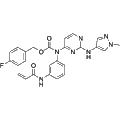
  • NRC-2694-A
    Cat. No.
    A28587

    NRC-2694-A

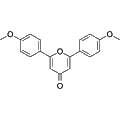
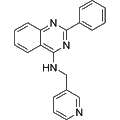
    NRC-2694-A is a potent orally bioavailable inhibitor of the epidermal growth factor receptor (EGFR) tyrosine kinase. It exhibits significant activity against malignant squamous cell carcinoma (HNSCC), making it a valuable tool for researchers investigating EGFR-related signaling pathways and therapeutic strategies in cancer treatment. Its application in preclinical studies may enhance understanding of tumorigenesis and resistance mechanisms associated with EGFR inhibition.

    25 mg
    $1,275.00
    50 mg
    $1,625.00
    All 3 sizes
  • PF-6422899
    Cat. No.
    A28588

    PF-6422899

    PF-6422899 is a selective inhibitor of the epidermal growth factor receptor (EGFR) that exhibits binding affinity in the nanomolar range. It demonstrates potent biological activity against EGFR, making it a valuable tool in cancer research, particularly in studies focused on EGFR-driven pathways. Additionally, PF-6422899 may also interact with SOAT1, suggesting potential applications in the modulation of lipid metabolism in cancer cells.

    25 mg
    $1,275.00
    50 mg
    $1,625.00
    All 3 sizes
  • HKI-357 dimaleate
    Cat. No.
    A28590

    HKI-357 dimaleate

    HKI-357 dimaleate is an irreversible dual inhibitor targeting EGFR and ERBB2, exhibiting IC50 values of 34 nM and 33 nM, respectively. This compound effectively suppresses EGFR autophosphorylation at tyrosine 1068, as well as the phosphorylation of downstream signaling molecules AKT and MAPK. HKI-357 dimaleate is primarily used in research to investigate mechanisms of oncogenesis and assess potential therapeutic strategies in cancer that involve EGFR and ERBB2 pathways.

    25 mg
    $1,405.00
    50 mg
    $1,790.00
    All 3 sizes
  • Paeciloquinone F
    Cat. No.
    A28592

    Paeciloquinone F

    Paeciloquinone F is a potent inhibitor of the epidermal growth factor receptor (EGFR) protein tyrosine kinase. It has been demonstrated to effectively impede EGFR signaling pathways, making it a valuable tool for studies focused on cancer research and therapeutic development. The compound's ability to modulate EGFR activity facilitates investigations into tumor growth and progression, as well as the potential for targeted cancer therapies.

    Out of stock

    All 3 sizes
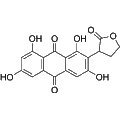
  • Paeciloquinone C
    Cat. No.
    A28596

    Paeciloquinone C

    Paeciloquinone C is a potent inhibitor of the epidermal growth factor receptor (EGFR) protein tyrosine kinase. It effectively inhibits the V-abl protein tyrosine kinase with an IC50 value of 0.56 μM. This compound is utilized in research focused on cancer biology and targeted therapies, providing insights into the mechanisms of EGFR-mediated signal transduction.

    Out of stock

    All 3 sizes
  • 1,2,3,4-Tetrahydro Staurosporin
    Cat. No.
    A28597

    1,2,3,4-Tetrahydro Staurosporin

    Synonyms: AFN-941

    1,2,3,4-Tetrahydro Staurosporin is a selective inhibitor of the mutant epidermal growth factor receptor (EGFR), particularly EGFRT790M, with an IC50 of 74 nM, demonstrating potential in targeting drug-resistant mutations. This compound also exhibits a higher IC50 of 390 nM against wild-type EGFR, highlighting its specificity. Additionally, 1,2,3,4-Tetrahydro Staurosporin interacts with Janus kinase 3 (JAK3), making it suitable for research applications focused on cancer biology and signaling pathways.

    1 mg
    $995.00
    25 mg
    $1,275.00
    All 4 sizes
  • EGFR-IN-99
    Cat. No.
    A28599

    EGFR-IN-99

    EGFR-IN-99 is a potent inhibitor specifically targeting EGFR and HER2 Exon 20 insertion mutants. This compound exhibits exceptional antiproliferative activity in DFCI127 cells, with an EC50 value of 11.5 nM. EGFR-IN-99 is designed for research applications related to non-small cell lung cancer (NSCLC), making it a valuable tool for studying mutant-driven tumorigenesis and therapeutic resistance.

    1 mg
    $45.00
    5 mg
    $115.00
    All 6 sizes
  • Paeciloquinone A
    Cat. No.
    A28601

    Paeciloquinone A

    Paeciloquinone A is a selective inhibitor of the epidermal growth factor receptor (EGFR) protein tyrosine kinase. This compound demonstrates significant biological activity by inhibiting V-abl protein tyrosine kinase with an IC50 value of 0.59 μM. It is utilized in research for investigating EGFR-related signaling pathways and potential therapeutic applications in cancer treatment.

    Out of stock

    All 3 sizes
  • Paeciloquinone B
    Cat. No.
    A28602

    Paeciloquinone B

    Paeciloquinone B is an inhibitor of the EGFR (epidermal growth factor receptor) protein tyrosine kinase. This compound demonstrates significant biological activity in obstructing EGFR signaling pathways, making it a valuable tool in cancer research, particularly for the study of tumor growth and proliferation. Its application in the investigation of specific cancer types associated with EGFR overexpression provides insights into potential therapeutic strategies.

    Out of stock

    All 3 sizes

Items 176-200 of 469

Added to your cart

View Cart Checkout

    Loading...