- Cat. No.
- A11405
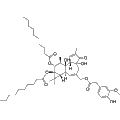
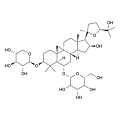
Astragaloside A
Synonyms: Astragaloside IV; Astramembrannin I; Cyclosiversioside F
Astragaloside A is a novel regulator of HIF-1α and angiogenesis through the PI3K/Akt pathway in HUVECs that are exposed to hypoxia.
Search by product name, CAS, target or catalog number. Press Down Arrow to reach product suggestions, Tab to move between links, and Escape to close suggestions.
Calcium channel blockers act on voltage-gated channels that let calcium ions enter excitable cells. Voltage-gated calcium (CaV) channels couple membrane depolarization to muscle contraction, neurotransmitter release and gene expression. Channel types are classed as L-, N-, P/Q-, R- and T-type according to their electrophysiological and pharmacological properties. The pore-forming α1 subunit of the L-type channel was first sequenced in 1987 as the skeletal muscle receptor for calcium channel blockers. Dihydropyridines in this category include isradipine, nimodipine and amlodipine besylate, which bind L-type channels. The benzothiazepine diltiazem HCl acts on the same channel type at a distinct binding site. BAPTA/AM, the cell-permeant ester of a calcium chelator, is listed for buffering intracellular calcium rather than for blocking channels.
Synonyms: Astragaloside IV; Astramembrannin I; Cyclosiversioside F
Astragaloside A is a novel regulator of HIF-1α and angiogenesis through the PI3K/Akt pathway in HUVECs that are exposed to hypoxia.
Synonyms: MCC-135
Caldaret is an intracellular Ca2+ handling modulator that acts through reverse mode Na+/Ca2+ exchanger inhibition.
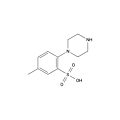
MCU-i4 is a novel negative modulator of the MCU, binding MICU1 and impairing muscle cell growth.
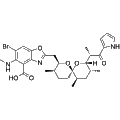
4-Bromo A23187 is a halogenated analog of the selective calcium ionophore A-23187, acting as a calcium channel modulator. This compound facilitates the transport of calcium ions across cellular membranes, leading to increased intracellular calcium levels. It has demonstrated efficacy in inducing apoptosis in various cell types, including HL-60 cells, and is useful for research applications related to calcium-mediated signaling pathways and cell death mechanisms.
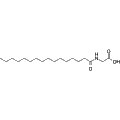
Synonyms: N-palmitoyl glycine
Palmitoylglycine (N-palmitoyl glycine) is an endogenous lipid that functions as a modulator of calcium influx and nitric oxide production in sensory neurons. This compound is associated with an increased risk of Brugada syndrome (BrS) and interacts with various BrS-related proteins, displaying moderate binding affinities for DCC, CR1, CTSB, NAAA, DEFB1, EPHA1, IGF1/IGFBP3/ALS, and LTA. Palmitoylglycine is valuable in research investigating its roles in neuronal signaling and cardiovascular conditions linked to BrS.
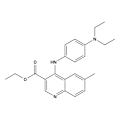
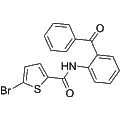
BBT is a calcium channel modulator that enhances glucose-stimulated insulin secretion (GSIS) while exhibiting anti-hyperglycemic activity. In models of type 2 diabetes, BBT protects pancreatic β-cells from cytokine- or streptozotocin-induced cell death. Its mechanism of action involves the cAMP/PKA signaling pathway and the long-lasting activation of L-type voltage-dependent calcium channels and CaMK2 pathways, making it a valuable tool for diabetic research and therapeutic studies.
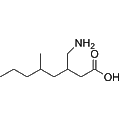
(Rac)-PD0299685 is a ligand targeting the calcium channel α2δ subunit, known for its role in modulating calcium ion influx. This compound has shown significant efficacy in reducing daily worst pain severity in interstitial cystitis patients during a phase IIa clinical trial. Additionally, (Rac)-PD0299685 serves as a potent voltage-dependent calcium channel inhibitor, making it a valuable tool for researching retina-related diseases and their underlying mechanisms.
Out of stock
All 3 sizes
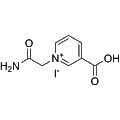
NAADP receptor modulator-1 is a cell-permeable modulator that targets the NAADP receptor. By competing with NAADP for binding sites, it effectively inhibits NAADP-induced calcium release. This compound is valuable for studying calcium signaling pathways and understanding the physiological roles of NAADP in cellular processes.
Out of stock
All 3 sizes
Sadopine serves as an allosteric modulator of dihydropyridine-sensitive L-type calcium channels. The compound exhibits dual functionality, with (-)Sadopine acting as a positive allosteric modulator and (+)Sadopine functioning as a negative allosteric modulator. This modulation of calcium channel activity makes Sadopine relevant for research focused on cardiovascular physiology and the modulation of calcium signaling pathways.
PDDHV is a potent calcium absorption inducer that stimulates the vanillic acid receptor VR1, leading to increased influx of 45Ca2+. It effectively promotes 45Ca2+ uptake in rat dorsal root ganglion neurons with an EC50 of 70 nM and elicits calcium mobilization in VR1-transfected CHO cells with an EC50 of 125 nM. Additionally, PDDHV inhibits [3H]-resiniferatoxin binding to rat dorsal root ganglion membranes, showcasing its utility in calcium signaling research.
Calcium channel-modulator-1 is an orally active agent that targets calcium channels, effectively inhibiting aortic contraction with an IC50 of 0.8 μM. This modulator is useful for investigating cardiovascular conditions and mechanisms associated with calcium signaling in vascular tissues.
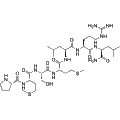
Myomodulin is a neuropeptide that functions as a calcium channel modulator. It plays a critical role in neurotransmission and muscle contraction by regulating calcium ion flow in excitable tissues. Myomodulin is widely used in research to investigate neurophysiological processes and the modulation of synaptic activity in various model organisms, including molluscs and insects.
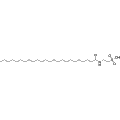
N-Lignoceroyl Taurine is an endogenous metabolite and taurine conjugate of lignoceric acid, identified through lipidomic analysis of bovine brain. This compound exhibits distinct biological activity as a substrate for fatty acid amide hydrolase (FAAH), with levels significantly elevated in FAAH knockout mice, indicating a potential role in lipid metabolism. Additionally, N-Lignoceroyl Taurine has been shown to activate transient receptor potential (TRP) calcium channels, including TRPV1 and TRPV4, highlighting its relevance in neurobiology and cellular signaling research.
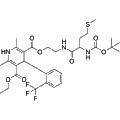
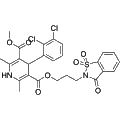
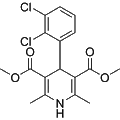
Felodipine 3,5-Dimethyl Ester is a dihydropyridine derivative functioning primarily as a mineralocorticoid receptor modulator and a selective inhibitor of the voltage-dependent L-type calcium channel CaV1.2. This compound exhibits significant pharmacological activity by affecting calcium ion flux, which plays a crucial role in cardiovascular and renal physiology. Its applications extend to research in hypertension, heart failure, and other cardiovascular disorders related to calcium channel dysregulation.
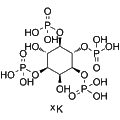
D-myo-Inositol-1,3,4,5-tetrakisphosphate potassium acts as a Ca2+ inducer by enhancing extracellular calcium entry via the upregulation of voltage-gated calcium channels. This compound is instrumental in studies related to calcium signaling pathways and is often utilized in investigations of cellular processes influenced by calcium ions. It serves as a valuable reagent for researchers exploring the roles of calcium in various physiological and pathological contexts.
Out of stock
All 3 sizes