- Cat. No.
- A11080
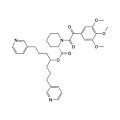
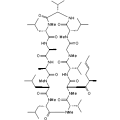
Valspodar (PSC-833)
Synonyms: PSC833; Amdray
PSC-833 is a kind of P-glycoprotein (P-gp) modulator that inhibits P-gp-mediated multidrug-resistance (MDR).
Search by product name, CAS, target or catalog number. Press Down Arrow to reach product suggestions, Tab to move between links, and Escape to close suggestions.
P-glycoprotein (P-gp) inhibitors block a drug efflux pump that contributes to multidrug resistance in cells. P-gp, also called multidrug resistance protein 1 (MDR1) or ATP-binding cassette subfamily B member 1 (ABCB1), uses energy from adenosine triphosphate (ATP) hydrolysis. It was first described in 1976 as a surface glycoprotein of drug-resistant Chinese hamster ovary cells. A crystal structure later showed a large drug-binding pocket that accounts for its broad substrate range. Verapamil and its metabolite norverapamil hydrochloride are early inhibitors, and verapamil is also listed under Calcium Channels. Later inhibitors include valspodar, tariquidar, LY335979 and elacridar, which also blocks breast cancer resistance protein (BCRP).
Synonyms: PSC833; Amdray
PSC-833 is a kind of P-glycoprotein (P-gp) modulator that inhibits P-gp-mediated multidrug-resistance (MDR).
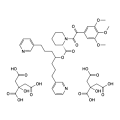
Synonyms: VX-710 dicitrate; VX-710
Biricodar dicitrate (VX-710 dicitrate) is a modulator of P-glycoprotein and MRP-1; shows effective chemosensitizing activity in multidrug resistant cells.
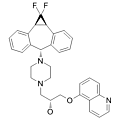
Synonyms: LY335979
Zosuquidar is a potent modulator of P-glycoprotein-mediated multi-drug resistance with Ki of 60 nM.
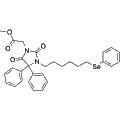
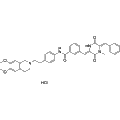
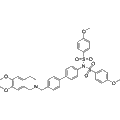
P-gp modulator 1 is a high affinity, orally available modulator of P-glycoprotein (Pgp), can reverse the Pgp-mediated multidrug resistance ((MDR).
Synonyms: VX-710
Biricodar (VX-710) is a modulator of P-glycoprotein and MRP-1; shows effective chemosensitizing activity in multidrug resistant cells.
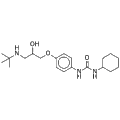
Talinolol is a beta(1)-adrenergic receptor antagonist and a probe drug for P-glycoprotein (P-gp) activity in humans.
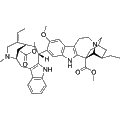
Voacamine is an indole alkaloid that acts as an antagonist of the cannabinoid receptor 1 (CB1) and also functions as a P-glycoprotein (P-gp) inhibitor. This compound enhances the efficacy of Doxorubicin by modulating P-gp activity, promoting apoptosis-independent autophagic cell death in human osteosarcoma cells. Additionally, Voacamine activates mitochondrial-associated apoptosis signaling pathways while inhibiting the PI3K/Akt/mTOR pathway, thus suppressing breast cancer progression. Moreover, it demonstrates oncogenic activity against colorectal cancer by inhibiting epidermal growth factor receptor (EGFR).
Anticancer agent 50 is a potent modulator of the ABCB1 efflux pump, demonstrating significant cytotoxic and antiproliferative effects. This compound effectively reduces cyclin D1 expression while inducing p53 expression, highlighting its role in cell cycle regulation. Anticancer agent 50 is particularly relevant for research focused on T-lymphoma and other cancers associated with ABCB1 activity.
AZD-5672 is a potent and selective antagonist of the CCR5 receptor, exhibiting an IC50 of 0.32 nM. This compound demonstrates moderate activity against the hERG ion channel with a binding IC50 of 7.3 μM and acts as a substrate for human P-glycoprotein, inhibiting P-gp-mediated digoxin transport with an IC50 of 32 μM. AZD-5672 is an effective tool for investigating the role of CCR5 in inflammatory diseases, including rheumatoid arthritis.
ORL1 antagonist 2 is a selective antagonist of the opioid receptor-like 1 (ORL1). This compound has been primarily utilized in the study of P-glycoprotein (P-gp) interactions and transport mechanisms. Its ability to modulate ORL1 activity makes it a valuable tool in research aimed at understanding opioid signaling pathways and their implications in various physiological and pathological processes.
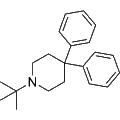
Budipine is an anti-Parkinson agent that acts primarily as an N-methyl-D-aspartate (NMDA) antagonist while also influencing dopaminergic activity. It enhances dopamine release and inhibits monoamine oxidase type B (MAO-B), contributing to its therapeutic effects. As a substrate of P-glycoprotein (P-gp), Budipine's uptake into the brain is mediated by this transport mechanism. This compound is valuable for research into central nervous system disorders, including Parkinson's disease.
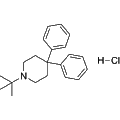
Budipine hydrochloride functions primarily as an anti-Parkinson agent, targeting the central nervous system. It acts as a substrate of P-glycoprotein (P-gp), facilitating its uptake into the brain. Additionally, Budipine hydrochloride serves as an NMDA antagonist and exhibits indirect dopaminergic effects by enhancing dopamine release and inhibiting monoamine oxidase type B (MAO-B). This compound is valuable for research focused on CNS disorders, particularly Parkinson's disease.
WS-917 is a potent orally active modulator of the ATP-binding cassette transporter ABCB1. It enhances ABCB1 ATPase activity, thereby increasing the efficacy of chemotherapeutics such as paclitaxel, particularly in combination with anti-PD-1 antibodies. Additionally, WS-917 is known to promote the activation of CD8+ T-cells, making it a valuable tool for research in cancer immunotherapy and drug resistance studies.
WS-691 is a selective modulator of the ATP-binding cassette sub-family B member 1 (ABCB1). This compound directly binds to ABCB1, stabilizing its structure, which inhibits its efflux function and activates its ATPase activity. By elevating intracellular levels of Paclitaxel, WS-691 reduces the necessary dosage of this chemotherapeutic agent in cancer cells that overexpress ABCB1. It enhances the sensitivity of colon cancer cells to Paclitaxel, making it a valuable tool for studying drug resistance mechanisms and improving cancer treatment strategies.
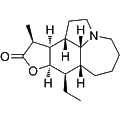
Synonyms: (+)-Neostenine
Neostenine is a stenine-type Stemona alkaloid that acts as a substrate for P-glycoprotein. It exhibits notable antitussive activity and demonstrates high absorptive permeability in Caco-2 monolayer models. Additionally, Neostenine shows oral bioactivity, making it relevant for research applications involving intestinal absorption and therapeutic potential in cough-related conditions.
XR9051 hydrochloride is a selective modulator of P-glycoprotein, acting specifically on its function to address multidrug resistance (MDR) in cancer cells. This compound enhances the efficacy of various chemotherapeutics by inhibiting the P-glycoprotein transport mechanism, thereby improving drug retention within resistant cell lines. XR9051 is utilized in research focused on overcoming drug resistance in oncology.
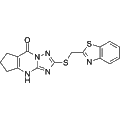
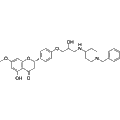
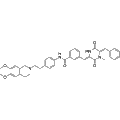
P-gp Modulator 2 is a potent competitive allosteric modulator of P-glycoprotein (P-gp). This compound significantly influences drug transport and can enhance the bioavailability of various therapeutic agents by inhibiting P-gp-mediated efflux. Its applications in research include studying drug-drug interactions and understanding mechanisms of multidrug resistance in cancer.
Out of stock
All 3 sizes
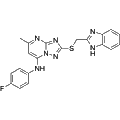
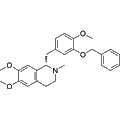
P-gp modulator 3 is a potent, competitive allosteric modulator of P-glycoprotein (P-gp). This compound enhances the effectiveness of therapeutic agents by inhibiting P-gp-mediated efflux, thus promoting improved intracellular accumulation of drugs. It is particularly useful in research applications focused on drug resistance mechanisms and the development of multi-drug resistance inhibitors.
Out of stock
All 3 sizes
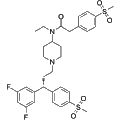
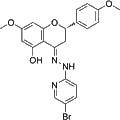
P-gp inhibitor 4 is a selective modulator of P-glycoprotein, exhibiting an EC50 of 94 nM. This compound enhances the transport of therapeutic agents across the gastrointestinal barrier and can restore the efficacy of doxorubicin in multidrug-resistant cancer cells. It serves as a valuable tool for research into overcoming drug resistance and improving drug delivery mechanisms.
XR9051 is a specific modulator of P-glycoprotein, targeting multidrug resistance (MDR). This compound enhances the efficacy of chemotherapeutic agents by inhibiting P-glycoprotein activity, thereby improving drug accumulation in resistant cancer cells. XR9051 is primarily utilized in cancer research to investigate strategies for overcoming drug resistance and enhancing therapeutic outcomes.
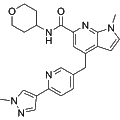
VU6007477 is a selective M1 positive allosteric modulator (PAM) with an EC50 value of 230 nM, notable for its ability to penetrate the blood-brain barrier. This compound also acts as a human P-glycoprotein (P-gp) substrate and exhibits moderate permeability, providing advantages in central nervous system (CNS) research. As a pyranyl amide derivative, VU6007477 is a valuable tool for investigating cholinergic seizure activity and related neurological disorders.
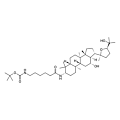
(S)-OY-101 is a stereoisomer of OY-101, primarily acting as a selective modulator of natural signaling pathways. This compound exhibits significant biological activity in the context of research applications related to cellular signaling and metabolic regulation. It serves as a valuable tool for studying the effects of stereochemistry on biological processes and has potential applications in drug discovery and development.
Out of stock
All 3 sizes