Potassium Channels

Potassium channel blockers and openers target the largest and most diverse family of ion channels. Potassium (K+) channels set the resting membrane potential and shape action potentials, hormone secretion and immune cell activation. The 1998 crystal structure of the potassium channel from Streptomyces lividans (KcsA) showed how a narrow selectivity filter passes K+ ions but excludes sodium ions. Major families include voltage-gated (Kv), calcium-activated (KCa) and inward-rectifier (Kir) channels. Adenosine triphosphate (ATP)-sensitive K+ (KATP) channels pair a Kir6.2 pore with a sulfonylurea receptor (SUR) subunit. The sulfonylureas glimepiride and glyburide close KATP channels, whereas minoxidil is studied as a channel opener. TRAM-34 blocks the intermediate-conductance KCa3.1 channel, and PAP-1 blocks Kv1.3, two channels studied in T lymphocyte activation.

1 Item

  • Patiromer
    Cat. No.
    A33266

    Patiromer

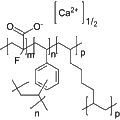
    Patiromer is a selective, non-absorbable intestinal potassium binder that targets potassium ions through a reversible exchange with calcium ions. It effectively lowers serum potassium levels while promoting fecal potassium excretion and reducing serum aldosterone levels. Patiromer is utilized in research on hyperkalemia associated with conditions such as chronic kidney disease, diabetes, and heart failure, and is particularly beneficial in studies aimed at enhancing the efficacy of renin-angiotensin-aldosterone system inhibitor (RAASi) therapies.

    50 mg
    $40.00
    100 mg
    $65.00
    All 4 sizes

1 Item

Added to your cart

View Cart Checkout

    Loading...