Proton Pump

Proton pump inhibitors block the gastric hydrogen/potassium pump (H+/K+-ATPase) that acidifies the stomach. In 1981 substituted benzimidazoles were shown to inhibit gastric acid secretion by blocking this enzyme. These compounds are prodrugs that accumulate in the acidic secretory canaliculi and convert to reactive sulfenamides. The activated species bind cysteine residues of the pump covalently, which stops proton export until new enzyme is made. Benzimidazole inhibitors here include omeprazole, its S-enantiomer esomeprazole magnesium, lansoprazole and pantoprazole. Tenatoprazole is an imidazopyridine analog with a longer plasma half-life. The category also lists M2 ion channel blocker, a compound acting on the influenza A virus M2 proton channel.

1 Item

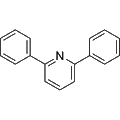
  • 2,6-Diphenylpyridine
    Cat. No.
    A89504

    2,6-Diphenylpyridine

    2,6-Diphenylpyridine serves as a proton acceptor and a tridentate [C^N^C] dianionic ligand. This compound facilitates efficient proton transfer at the interface of two immiscible electrolyte solutions. Its ability to form mononuclear and binuclear complexes with gold(III) enhances its utility in studies of electrochemical ion transfer kinetics and organometallic chemistry. 2,6-Diphenylpyridine is valuable for research applications involving coordination chemistry and catalytic processes.

    200 mg
    $20.00
    1 g
    $25.00
    All 7 sizes

1 Item

Added to your cart

View Cart Checkout

    Loading...