Somatostatin Receptors

Somatostatin receptor (SSTR) agonists and antagonists act on SSTR1 to SSTR5, five G protein-coupled receptors. Somatostatin was isolated from hypothalamus in 1973 as a peptide that inhibits growth hormone secretion from the pituitary. Its receptors couple mainly to inhibitory G proteins, lower cyclic adenosine monophosphate (cAMP) and suppress hormone release in the pituitary, pancreas and gut. Human and mouse somatostatin receptors were cloned in 1992 and found in brain, gastrointestinal tract and kidney. The natural peptide is listed together with cyclic somatostatin, octreotide acetate and pasireotide L-aspartate salt, stable analogs with different subtype profiles. Subtype tools include the SSTR2 antagonist CYN-154806, the SSTR4 agonist J-2156, and SSTR5 antagonist 1 and SSTR5 antagonist 2.

1 Item

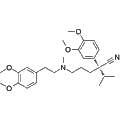
  • (R)-Verapamil
    Cat. No.
    A32835

    (R)-Verapamil

    Synonyms: Dexverapamil

    (R)-Verapamil is an enantiomer of the calcium channel blocker Verapamil, primarily acting on sodium channels with an IC50 of 3.19 μM. It exhibits agonistic activity on somatostatin receptor 2 (SSTR2), with an EC50 of 1.3 μM. In preclinical studies, (R)-Verapamil has demonstrated the ability to downregulate TXNIP protein expression and inhibit β-cell apoptosis in diabetic mouse models, contributing to effective blood glucose control. Additionally, it can be utilized as a PET tracer to assess P-glycoprotein function, making it a valuable tool in metabolic and pharmacological research.

    25 mg
    $1,275.00
    50 mg
    $1,625.00
    All 3 sizes

1 Item

Added to your cart

View Cart Checkout

    Loading...