Apoptosis Inducers

Apoptosis inducers are compounds that trigger programmed cell death through mitochondrial, caspase or stress pathways. Apoptosis is a regulated form of cell death marked by caspase activation, chromatin condensation and cell shrinkage. Inducers serve to study how cells commit to death and as positive controls in cell death assays. Tasisulam, an acylsulfonamide, is described as acting through the intrinsic mitochondrial pathway with caspase activation. Homoharringtonine, a Cephalotaxus alkaloid, inhibits protein synthesis and lowers signal transducer and activator of transcription 3 (STAT3) signaling. Episilvestrol, a rocaglate from Aglaia plants, targets eukaryotic initiation factor 4A (eIF4A). Compounds acting on one defined apoptosis regulator are listed in sibling categories such as Bcl-2 Family and Caspase.

3 Items

  • Ingenol 3,20-dibenzoate
    Cat. No.
    A30531

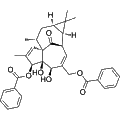
    Ingenol 3,20-dibenzoate

    Ingenol 3,20-dibenzoate is a selective agonist of specific protein kinase C (PKC) isoforms, primarily targeting nPKC-delta, -epsilon, -theta, and PKC-mu. This compound induces morphologically characteristic apoptosis through the de novo synthesis of macromolecules and facilitates the translocation of these PKC isoforms from the cytosolic to the particulate fraction. Additionally, Ingenol 3,20-dibenzoate enhances interferon-gamma production and promotes the degranulation of natural killer (NK) cells, particularly in the context of non-small cell lung cancer (NSCLC) cell stimulation. Its applications are valuable in research focused on apoptosis and immune response modulation.

    5 mg
    $525.00
    10 mg
    $905.00
    All 3 sizes
  • VDR agonist 1
    Cat. No.
    A31567

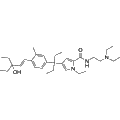
    VDR agonist 1

    VDR Agonist 1 is a nonsteroidal agonist of the Vitamin D receptor (VDR), exhibiting an IC50 of 690 nM in MCF-7 cells. This compound induces apoptosis by enhancing the expression of pro-apoptotic protein BAX while reducing anti-apoptotic protein Bcl-2 levels. Additionally, VDR Agonist 1 triggers cell cycle arrest through the up-regulation of cyclin-dependent kinase inhibitors p21 and p27, making it a valuable tool for studies related to cancer biology and therapeutic interventions targeting apoptotic pathways.

    25 mg
    $2,410.00
    50 mg
    $3,100.00
    All 3 sizes
  • RC-33 hydrochloride
    Cat. No.
    A32572

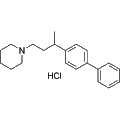
    RC-33 hydrochloride

    RC-33 hydrochloride is a selective and metabolically stable sigma receptor agonist that induces apoptosis and enhances nerve growth factor (NGF)-induced neurite outgrowth. Both enantiomers exhibit similar affinity for the sigma receptor, demonstrating comparable effectiveness in modulating receptor activity. Notably, the R-enantiomer exhibits greater metabolic stability in liver environments when exposed to NADPH. This profile positions RC-33 hydrochloride as a promising candidate for in vivo studies, particularly in animal models of amyotrophic lateral sclerosis.

    25 mg
    $1,275.00
    50 mg
    $1,625.00
    All 3 sizes

3 Items

Added to your cart

View Cart Checkout

    Loading...