
- Cat. No.
- A14212
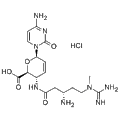
Blasticidin S HCl
Synonyms: Blasticidine S HCl
Blasticidin S HCl is a nucleoside antibiotic isolated from Stretomyces girseochromogenes, and acts as a DNA and protein synthesis inhibitor.
Search by product name, CAS, target or catalog number. Press Down Arrow to reach product suggestions, Tab to move between links, and Escape to close suggestions.
Selection antibiotics and contamination-control reagents isolate modified cells and keep cultures free of microbes. Stable mammalian cell lines are selected with an antibiotic matched to the resistance gene, such as puromycin, G418, blasticidin S, hygromycin B or phleomycin D1. Ampicillin, carbenicillin, kanamycin and chloramphenicol select bacteria that carry resistance plasmids. Penicillin G with streptomycin, gentamicin, amphotericin B and nystatin are added to media to limit bacterial and fungal contamination. Ciprofloxacin is also used in protocols that remove mycoplasma from infected cultures.
Synonyms: Blasticidine S HCl
Blasticidin S HCl is a nucleoside antibiotic isolated from Stretomyces girseochromogenes, and acts as a DNA and protein synthesis inhibitor.
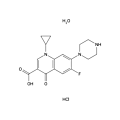
Synonyms: Ciprofloxacin Hydrochloride
Ciprofloxacin Hydrochloride is a broad-spectrum antimicrobial carboxyfluoroquinoline, interfering with the bacterial DNA gyrase, inhibiting the DNA synthesis, and preventing bacterial cell growth.
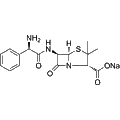
Synonyms: D-(-)-α-Aminobenzylpenicillin sodium salt
Ampicillin sodium is a broad-spectrum beta-lactam antibiotic that targets bacterial cell wall synthesis. It is effective against a wide range of gram-positive and gram-negative bacteria, making it a valuable reagent for microbiological research. Ampicillin sodium is commonly used in cell culture and for selecting genetically modified organisms, as well as in the study of bacterial resistance mechanisms. Its ability to inhibit bacterial growth supports investigations into antibiotic efficacy and microbial interactions.
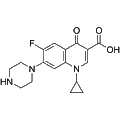
Synonyms: Bay-09867
Ciprofloxacin is a potent topoisomerase IV inhibitor that demonstrates significant antibacterial activity as a fluoroquinolone antibiotic. It induces both mitochondrial and nuclear DNA damage, leading to mitochondrial dysfunction and increased reactive oxygen species (ROS) production. Ciprofloxacin exhibits anti-proliferative properties and triggers apoptotic pathways, making it a valuable tool for research applications focused on bacterial infections, oxidative stress, and cancer biology.
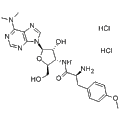
Puromycin 2HCl is an aminonucleoside antibiotic, which acts as a protein synthesis inhibitor.
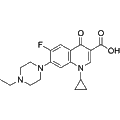
Synonyms: BAY Vp 2674; PD160788
Enrofloxacin is a potent bacterial inhibitor belonging to the fluoroquinolone class. It exhibits an MIC90 value of 0.312 μg/mL against Mycoplasma bovis, demonstrating its effectiveness in combating bacterial infections. This compound is widely utilized in research applications focused on antibiotic resistance, microbiology, and the study of bacterial pathogens.
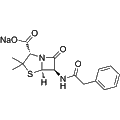
Synonyms: Benzylpenicillin sodium salt
Penicillin G sodium salt is a β-lactam antibiotic that inhibits bacterial cell wall synthesis by targeting penicillin-binding proteins. It demonstrates broad-spectrum antibacterial activity against various Gram-positive and some Gram-negative organisms. This reagent is commonly used in microbiological studies to evaluate susceptibility patterns and in the development of antibiotic resistance models.
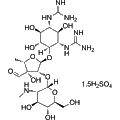
Streptomycin sulfate is an aminoglycoside antibiotic that inhibits bacterial protein synthesis by binding to the 30S ribosomal subunit. It exhibits potent antibacterial activity against a range of Gram-negative and some Gram-positive bacteria, making it useful in both clinical and research settings. This reagent is commonly employed in studies involving microbial resistance, antibiotic efficacy, and protein synthesis mechanisms.
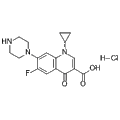
Ciprofloxacin hydrochloride is a broad-spectrum antimicrobial carboxyfluoroquinoline, an fluoroquinolone antibiotic that is widely used as an antimicrobial and immunomodulatory agent
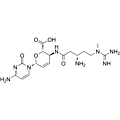
Blasticidin S is a nucleoside antibiotic isolated from Streptomyces griseochromogenes. Blasticidin S is a potent inhibitor of protein synthesis in both prokaryotic and eukaryotic cells.
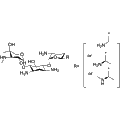
Synonyms: Septigen; Refobacin; Oksitselanim; Lyramycin; Centicin
Gentamicin, a potent aminoglycoside antibiotic, functions as a DNase I inhibitor with an IC50 of 0.57 mM. This compound effectively inhibits the growth of various gram-positive and gram-negative bacteria, as well as several strains of mycoplasma in tissue culture. It is widely used in microbiological research and applications involving nucleic acid stability.
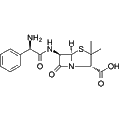
Synonyms: D-(-)-α-Aminobenzylpenicillin
Ampicillin is a broad-spectrum beta-lactam antibiotic that targets bacterial cell wall synthesis by inhibiting penicillin-binding proteins. It is effective against a wide range of gram-positive and gram-negative bacteria, making it a valuable reagent in microbiological research and antibiotic susceptibility testing. Ampicillin is commonly used to study bacterial resistance mechanisms and is also employed in molecular biology for the selection of recombinant plasmids in cloning applications.
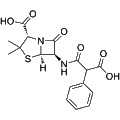
Carbenicillin is a semi-synthetic penicillin antibiotic that primarily targets gram-negative bacteria through the inhibition of cell wall synthesis. It exhibits broad-spectrum antibacterial activity and is characterized by its relatively low toxicity towards plant tissues. Carbenicillin is commonly utilized in microbiological research and clinical applications to study bacterial growth and resistance mechanisms.
Out of stock
All 3 sizes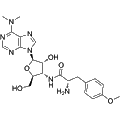
Synonyms: CL13900
Puromycin is an aminoglycoside antibiotic that functions as a protein synthesis inhibitor through its action on bacterial ribosomes. By mimicking aminoacyl-tRNA, puromycin interferes with the elongation step of translation, leading to the premature termination of peptide chains. This compound is widely utilized in molecular biology studies, particularly in selection and maintenance of genetically modified cells, as well as in cancer research to elucidate apoptosis pathways.