Drug Metabolite

Drug metabolites are compounds formed when drugs, pesticides and other xenobiotics are transformed by organisms. Phase I reactions such as oxidation and hydroxylation, and phase II conjugation reactions, generate most of these products. α-Hydroxytamoxifen is a hydroxylated metabolite of tamoxifen, and Desbutyl Lumefantrine D9 is a deuterium-labeled form of a lumefantrine metabolite. Imidacloprid-urea represents environmental and metabolic breakdown products of the neonicotinoid insecticide imidacloprid. Endogenous and dietary metabolites also appear, including hippuric acid, a glycine conjugate of benzoic acid, and the catecholamine end product vanillylmandelic acid. Researchers use these compounds to identify metabolites, follow biotransformation pathways and measure exposure in biological samples. Deuterium-labeled forms can act as internal standards in mass spectrometry.

1 Item

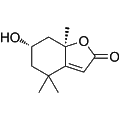
  • Loliolide
    Cat. No.
    A71681

    Loliolide

    Synonyms: Loliolid; Digiprolactone

    Loliolide, a carotenoid metabolite, serves as an endogenous inducer of herbivore resistance. This compound is known to inhibit seedling growth, making it a valuable tool for research on plant defense mechanisms and growth regulation. Its biological activity supports investigations into plant responses to herbivory and the ecological roles of carotenoid derivatives.

    0.5 mg
    $130.00
    1 mg
    $255.00
    All 3 sizes

1 Item

Added to your cart

View Cart Checkout

    Loading...