Glutathione S-transferase

Glutathione S-transferase (GST) inhibitors block enzymes that conjugate glutathione to electrophiles. Conjugation makes reactive drugs, carcinogens and oxidative stress products more water soluble and easier to export from cells. Cytosolic GSTs fall into several classes, including alpha, mu, pi and omega, with distinct substrate preferences. GST pi 1 (GSTP1) is abundant in many tumor cells and binds c-Jun N-terminal kinase (JNK), which restrains stress signaling. Ezatiostat is a glutathione analog that is converted in cells to TLK117, an inhibitor of GSTP1-1, and is also listed as ezatiostat hydrochloride. NBDHEX also targets GSTP1-1, whereas GSTO1-IN-1 acts on the omega-class enzyme GSTO1. Natural products such as coniferyl ferulate and benastatin B are listed as broader GST inhibitors.

2 Items

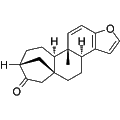
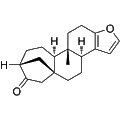
  • 16-Oxocafestol
    Cat. No.
    A75004

    16-Oxocafestol

    16-Oxocafestol is a glutathione S-transferase (GST) inducer that enhances GST levels and tissue sulfhydryl concentrations in the liver and small bowel mucosa. This compound plays a crucial role in cellular detoxification processes and may be utilized in research applications aimed at studying oxidative stress and liver function. Its ability to modulate GST expression makes it a valuable tool in pharmacological and toxicological investigations.

    1 mg
    $55.00
    5 mg
    $115.00
    All 2 sizes
  • 16-Oxokahweol
    Cat. No.
    A75012

    16-Oxokahweol

    16-Oxokahweol is a potent inducer of glutathione S-transferase (GST), an important enzyme involved in detoxification processes. By upregulating GST, this compound can enhance cellular defense mechanisms against oxidative stress and electrophilic compounds. It is primarily utilized in research studies focusing on cancer biology, chemoprevention, and hepatic protection.

    1 mg
    $110.00
    5 mg
    $350.00
    All 3 sizes

2 Items

Added to your cart

View Cart Checkout

    Loading...