- Cat. No.
- A21676
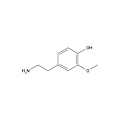
3-Methoxytyramine
Synonyms: 3-O-methyl Dopamine
3-Methoxytyramine, a well known extracellular metabolite of 3-hydroxytyramine/dopamine, is a neuromodulator.
Search by product name, CAS, target or catalog number. Press Down Arrow to reach product suggestions, Tab to move between links, and Escape to close suggestions.
Endogenous metabolites are small molecules made by the body's own metabolism, such as amino acids and steroids. They are used as metabolomics standards, as enzyme substrates and as tools to probe how metabolic pathways are regulated. L-Citrulline, an intermediate of the urea cycle, is also formed when nitric oxide synthase produces nitric oxide. 17-Hydroxyprogesterone is a steroid intermediate on the route to cortisol. Prostaglandin E1 represents the eicosanoids, a group of lipid mediators derived from fatty acids. Nicotinamide riboside chloride is a precursor of nicotinamide adenine dinucleotide (NAD+), the cofactor used by sirtuins.
Synonyms: 3-O-methyl Dopamine
3-Methoxytyramine, a well known extracellular metabolite of 3-hydroxytyramine/dopamine, is a neuromodulator.
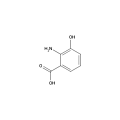
3-Hydroxyanthranilic Acid (3-HAA, 3-HANA), a tryptophan metabolite, has an immunomodulatory effect that may result from inhibition of PI3K/Akt/mTOR and NF-κB activity, thereby decreasing the production of pro-inflammatory mediators.
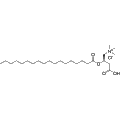
Stearoyl-L-carnitine chloride is an endogenous long-chain acylcarnitine that serves as a modulator of glycine transport. It exhibits inhibitory activity on the GlyT2 receptor, reducing glycine responses by 16.8% at concentrations up to 3 μM. This compound is of interest in research focusing on neurotransmitter regulation and metabolic processes related to acylcarnitines.
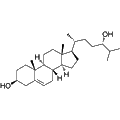
Synonyms: 24S-OHC; 24S-HC; Cerebrosterol
24(S)-Hydroxycholesterol (24S-OHC) is an endogenous metabolite primarily involved in cholesterol homeostasis within the brain. As a potent and selective positive allosteric modulator of N-methyl-D-aspartate receptors (NMDARs), 24S-OHC functions through a unique mechanism distinct from other allosteric modulators. Its high levels in both the brain and circulation make it a valuable tool for research into neurological functions and disorders related to cholesterol metabolism and synaptic transmission.
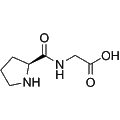
L-Prolylglycine is an endogenous metabolite that serves as an important modulator of cellular signaling pathways. This compound is known to exhibit neuroprotective effects and plays a role in cognitive function. It is utilized in research applications focused on neurobiology, metabolism, and the study of related disorders.
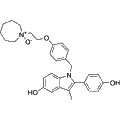
Bazedoxifene N-Oxide is the oxidative metabolite of the selective estrogen receptor modulator, Bazedoxifene. It serves as a valuable tool in research focused on estrogen receptor signaling pathways and provides insights into the metabolic fate of Bazedoxifene. This compound can be utilized in studies exploring the pharmacological effects and safety profiles of SERMs, contributing to a better understanding of their therapeutic applications in various estrogen-related conditions.
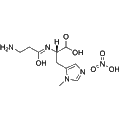
L-Anserine nitrate is an endogenous metabolite that serves as a potential modulator of physiological processes. It plays a role in various metabolic pathways and has been studied for its involvement in muscle metabolism and neuroprotection. Research applications include investigating its effects on cellular functions, energy metabolism, and potential therapeutic uses in disorders related to oxidative stress and inflammation.
Lu AF58801 is a selective positive allosteric modulator of the α7 nicotinic acetylcholine receptors, demonstrating potent oral bioavailability and effective brain penetration. This compound has been shown to enhance receptor activity and improve cognitive function in animal models, specifically in a novel object recognition task in mice subjected to subchronic exposure to fluchlorothiazol. Lu AF58801 serves as a valuable tool for investigating the role of α7 nicotinic receptors in cognitive processes and related disorders.
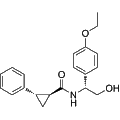
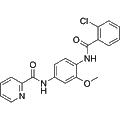
VU0415374 is a positive allosteric modulator of the mGlu4 receptor, enhancing its activity and enabling precise manipulation of physiological responses. This compound exhibits high selectivity, making it a valuable tool for investigating the role of mGlu4 in conjunction with other mGlu receptor systems. Its refined properties position VU0415374 as a significant candidate for experiments requiring high spatial and temporal precision in mGlu4 research.
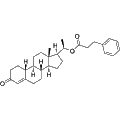
Oxogestone phenpropionate is an endogenous metabolite with a primary mechanism of action as a progesterone receptor modulator. This compound is utilized in research to investigate hormone regulation and the physiological effects of progesterone in various biological systems. Its applications extend to studies related to reproductive biology and endocrine function.
Out of stock
All 3 sizes
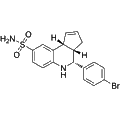
(R,R,S)-GAT107 is a potent positive allosteric modulator of the α7 nicotinic receptors, exhibiting robust agonistic activity. This compound primarily functions through its (+)-isomer, demonstrating significant biological effects, while the (-)-isomer shows no such activity. Research indicates that (R,R,S)-GAT107 is currently recognized as the most effective ago-PAM for α7 nicotinic receptors, suggesting promising avenues for further investigation in vivo. Potential applications include studies related to cognitive enhancement and neuroinflammation.
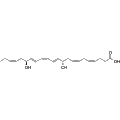
Synonyms: 10(S),17(S)-DiHDoHE; PDX
10(S),17(S)-DiHDHA is a dihydroxy fatty acid derived from docosahexaenoic acid (DHA) that serves as a modulator of endogenous metabolites. This compound demonstrates significant neuroprotective and anti-inflammatory properties, making it valuable for research in neurobiology and inflammation. It is commonly used in studies focusing on neuronal preservation and the regulation of inflammatory responses.