Endogenous Metabolite

Endogenous metabolites are small molecules made by the body's own metabolism, such as amino acids and steroids. They are used as metabolomics standards, as enzyme substrates and as tools to probe how metabolic pathways are regulated. L-Citrulline, an intermediate of the urea cycle, is also formed when nitric oxide synthase produces nitric oxide. 17-Hydroxyprogesterone is a steroid intermediate on the route to cortisol. Prostaglandin E1 represents the eicosanoids, a group of lipid mediators derived from fatty acids. Nicotinamide riboside chloride is a precursor of nicotinamide adenine dinucleotide (NAD+), the cofactor used by sirtuins.

Items 1-25 of 84

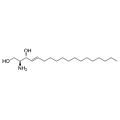
  • D-erythro-Sphingosine
    Cat. No.
    A12304

    D-erythro-Sphingosine

    Synonyms: Erythrosphingosine; erythro-C18-Sphingosine; trans-4-Sphingenine

    D-erythro-Sphingosine (Erythrosphingosine) is a very potent activator of p32-kinase with an EC50 of 8 μM, and inhibits protein kinase C (PKC). D-erythro-Sphingosine (Erythrosphingosine) is also a PP2A activator.

    5 mg
    $25.00
    10 mg
    $30.00
    All 7 sizes
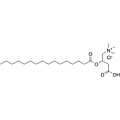
  • Palmitoylcarnitine chloride
    Cat. No.
    A12763

    Palmitoylcarnitine chloride

    Palmitoylcarnitine chloride is a fatty acid-derived mitochondrial substrate, and selectively decreases cell survival in colorectal and prostate cancer cells by affecting on pro-inflammatory pathways, Ca2+ influx, and DHT-like effects.

    1 mg
    $30.00
    5 mg
    $65.00
    All 8 sizes
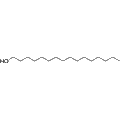
  • 1-Hexadecanol
    Cat. No.
    A16567

    1-Hexadecanol

    Synonyms: Palmityl alcohol

    1-Hexadecanol is a fatty alcohol that acts as a lipophilic substrate, primarily serving as an endogenous metabolite. This compound is valuable in research on ferroptosis, providing insights into lipid metabolism and cellular oxidative stress. Its applications extend to studies exploring the mechanisms underlying cell death pathways and the role of lipid peroxidation.

    5 g
    $20.00
    10 g
    $25.00
    All 5 sizes
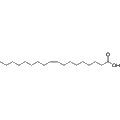
  • Oleic acid
    Cat. No.
    A16642

    Oleic acid

    Synonyms: 9-cis-Octadecenoic acid; 9Z-Octadecenoic acid

    Oleic acid (9-cis-Octadecenoic acid) is an abundant monounsaturated fatty acid. Oleic acid is a Na+/K+ ATPase activator.

    1 mg
    $25.00
    5 mg
    $30.00
    All 8 sizes
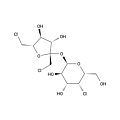
  • Sucralose
    Cat. No.
    A16724

    Sucralose

    Sucralose is an activator of taste receptor, type 1, member 2 (T1R2) and taste receptor type 1, member 3 (T1R3).

    5 g
    $20.00
    10 g
    $30.00
    All 2 sizes
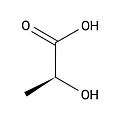
  • L-Lactic acid
    Cat. No.
    A17839

    L-Lactic acid

    Synonyms: Paralactic acid; L-(+)-Lactic acid; PH 90; Sarcolactic acid; Sarcolacticum acidum; Tisulac; BRN 1720251

    L-Lactic acid is used as a substrate for lactic acid dehydrogenase and lactate oxidase.

    500 mg
    $35.00
    1 g
    $40.00
    All 3 sizes
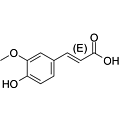
  • (E)-Ferulic acid
    Cat. No.
    A18381

    (E)-Ferulic acid

    (E)-Ferulic acid is a isomer of Ferulic acid which is an aromatic compound, abundant in plant cell walls. (E)-Ferulic acid shows a potent ability to remove reactive oxygen species (ROS) and inhibits lipid peroxidation. (E)-Ferulic acid exerts both anti-proliferation and anti-migration effects in the human lung cancer cell line H1299.

    100 mg
    $20.00
    200 mg
    $30.00
    All 5 sizes
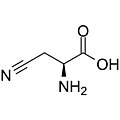
  • β-cyano-L-Alanine
    Cat. No.
    A18516

    β-cyano-L-Alanine

    Synonyms: Beta-cyano-l-alanine

    β-cyano-L-Alanine (Beta-cyano-l-alanine), a nitrile of widespread occurrence in higher plants, is enzymatically produced by cyanoalanine synthase from cyanide and cysteine as substrates. β-cyano-L-Alanine abolishes the protective effect of ethanol on cerebral ischemia/reperfusion (I/R) injury.

    5 mg
    $20.00
    10 mg
    $35.00
    All 4 sizes
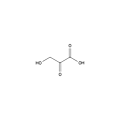
  • Hydroxypyruvic acid
    Cat. No.
    A18984

    Hydroxypyruvic acid

    Hydroxypyruvic acid is an intermediate in the metabolism of Glycine, serine and threonine. It is a substrate for Serine--pyruvate aminotransferase and Glyoxylate reductase/hydroxypyruvate reductase.

    1 mg
    $175.00
    5 mg
    $245.00
    All 5 sizes
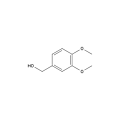
  • Veratryl alcohol
    Cat. No.
    A19553

    Veratryl alcohol

    Synonyms: 3,4-Dimethoxybenzyl alcohol

    Veratryl alcohol (3,4-Dimethoxybenzenemethanol), a secondary metabolite of some lignin degrading fungi, is commonly used nonphenolic substrate for assaying ligninolytic activity.

    100 mg
    $35.00
    500 mg
    $130.00
    All 3 sizes
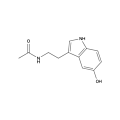
  • N-Acetyl-5-hydroxytryptamine
    Cat. No.
    A19581

    N-Acetyl-5-hydroxytryptamine

    Synonyms: N-Acetylserotonin; Normelatonin; O-Demethylmelatonin

    N-Acetyl-5-hydroxytryptamine is a Melatonin precursor, and that it can potently activate TrkB receptor.

    5 mg
    $25.00
    10 mg
    $25.00
    All 6 sizes
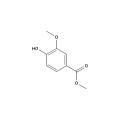
  • Methyl vanillate
    Cat. No.
    A20626

    Methyl vanillate

    Synonyms: NSC 74385

    Methyl vanillate, one of the ingredients in Hovenia dulcis Thunb, is a Wnt/β-catenin pathway activator. A benzoate ester that is the methyl ester of vanillic acid. It has a role as an antioxidant and a plant metabolite.

    500 mg
    $25.00
    1 g
    $35.00
    All 6 sizes
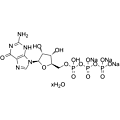
  • 5'-GTP trisodium salt hydrate
    Cat. No.
    A21514

    5'-GTP trisodium salt hydrate

    Synonyms: Guanosine 5'-triphosphate trisodium salt hydrate

    5'-GTP trisodium salt hydrate is an activator of the signal transducing G proteins and also serves as an energy-rich precursor of mononucleotide units in the enzymatic biosynthesis of DNA and RNA.

    50 mg
    $40.00
    100 mg
    $65.00
    All 5 sizes
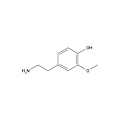
  • 3-Methoxytyramine
    Cat. No.
    A21676

    3-Methoxytyramine

    Synonyms: 3-O-methyl Dopamine

    3-Methoxytyramine, a well known extracellular metabolite of 3-hydroxytyramine/dopamine, is a neuromodulator.

    50 mg
    $25.00
    100 mg
    $40.00
    All 4 sizes
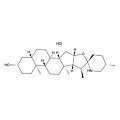
  • Tomatidine hydrochloride
    Cat. No.
    A22284

    Tomatidine hydrochloride

    Tomatidine hydrochloride acts as an anti-inflammatory agent by blocking NF-κB and JNK signaling. Tomatidine hydrochloride activates autophagy either in mammal cells or C elegans.

    5 mg
    $35.00
    10 mg
    $65.00
    All 5 sizes
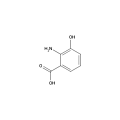
  • 3-Hydroxyanthranilic acid
    Cat. No.
    A22292

    3-Hydroxyanthranilic acid

    3-Hydroxyanthranilic Acid (3-HAA, 3-HANA), a tryptophan metabolite, has an immunomodulatory effect that may result from inhibition of PI3K/Akt/mTOR and NF-κB activity, thereby decreasing the production of pro-inflammatory mediators.

    50 mg
    $45.00
    100 mg
    $60.00
    All 4 sizes
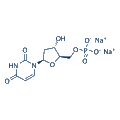
  • 2'-Deoxyuridine 5'-monophosphate disodium salt
    Cat. No.
    A22446

    2'-Deoxyuridine 5'-monophosphate disodium salt

    2'-Deoxyuridine 5'-monophosphate disodium salt (dUMP) is a substrate for thymidylate synthase and is converted to deoxythymidine monophosphate (dTMP). The inhibition of dUMP to dTMP at the methylation step is a key in controlling bacterial and eukaryotic cell growth.

    50 mg
    $20.00
    100 mg
    $35.00
    All 4 sizes
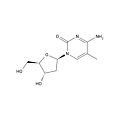
  • 5-Methyl-2'-deoxycytidine
    Cat. No.
    A24363

    5-Methyl-2'-deoxycytidine

    5-Methyl-2'-deoxycytidine (5mdC) is an endogenous substrate of DNA methyltransferases, including mammalian 5-C-MTase, and binds to DNA in a manner dependent on DNA stem-loop structure formation. It directs de novo DNA methylation by serving as a methylation mark, promoting methylation of adjacent CpG sites in single-stranded DNA via cis-acting mechanisms. 5mdC regulates DNA methylation patterns by recruiting methyltransferases to specific chromatin regions, influencing chromatin condensation and gene expression. In plant cells, its distribution correlates with cell proliferation and differentiation stages, with lower methylation levels in proliferating cells and higher levels in differentiated cells.

    100 mg
    $23.00
    500 mg
    $68.00
    All 2 sizes
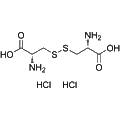
  • L-Cystine dihydrochloride
    Cat. No.
    A27045

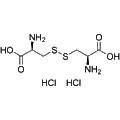
    L-Cystine dihydrochloride

    L-Cystine dihydrochloride is the dihydrochloride salt of the endogenous metabolite L-Cystine, functioning primarily as an activator of the Nrf2 transcription factor. This compound enhances Nrf2 protein expression, leading to a reduction in reactive oxygen species (ROS) generation and protection against apoptosis induced by oxidants or Doxorubicin. Additionally, L-Cystine dihydrochloride, in combination with L-theanine, promotes the production of antigen-specific IgG and modulates T helper 2 (Th2) responses by elevating glutathione (GSH) levels in murine models. It holds potential for investigating conditions such as cystinuria and the formation of kidney stones.

    100 mg
    $25.00
    500 mg
    $30.00
    All 3 sizes
  • L-Cystine hydrochloride
    Cat. No.
    A27085

    L-Cystine hydrochloride

    L-Cystine hydrochloride is an endogenous metabolite that serves as a potent Nrf2 activator and reactive oxygen species (ROS) inhibitor. It enhances Nrf2 protein expression, facilitating transcriptional responses that combat oxidative stress. Research indicates that L-Cystine hydrochloride reduces ROS generation and protects cells from apoptosis induced by oxidants or Doxorubicin. Additionally, its combination with L-theanine has been shown to boost antigen-specific IgG production by elevating glutathione levels and promoting T helper 2 (Th2) responses. This compound has significant potential for studying cystinuria and kidney stone formation.

    1 g
    $20.00
    5 g
    $50.00
    All 2 sizes
  • Homogentisic acid lactone
    Cat. No.
    A28233

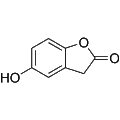
    Homogentisic acid lactone

    Homogentisic acid lactone is a fungal metabolite that exhibits significant fungicidal activity, notably against the plant pathogenic fungus Fusarium graminearum. This compound is derived from the fungus WF5 and serves as a valuable substrate for assessing serum paraoxonase/arylesterase 1 (PON1) activity in biochemical research. Its unique mode of action and biological properties make it an important tool in studies related to fungal pathogenesis and enzyme activity assessment.

    100 mg
    $20.00
    250 mg
    $25.00
    All 5 sizes
  • N1-Acetylspermidine hydrochloride
    Cat. No.
    A30061

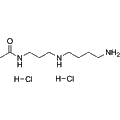
    N1-Acetylspermidine hydrochloride

    N1-Acetylspermidine hydrochloride is an acetyl derivative of polyamines, serving as a substrate for polyamine oxidase (PAO). It has been shown to promote apoptosis, particularly in conjunction with procyanidins, and demonstrates cleavage efficiency at apurinic sites in DNA. This compound has valuable applications in colorectal cancer research, facilitating investigations into polyamine metabolism and its implications in tumorigenesis.

    1 mg
    $65.00
    5 mg
    $160.00
    All 7 sizes
  • 5β-Dihydrocortisol
    Cat. No.
    A30613

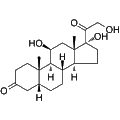
    5β-Dihydrocortisol

    5β-Dihydrocortisol, a metabolite of cortisol, serves as an apoptosis activator with potential implications for cancer research. It enhances glucocorticoid activity, notably in raising intraocular pressure. Additionally, 5β-Dihydrocortisol has been shown to induce apoptosis in breast cancer cells, making it a valuable reagent for studies focused on cellular signaling and cancer therapeutics.

    5 mg
    $90.00
    10 mg
    $150.00
    All 2 sizes

Items 1-25 of 84

Added to your cart

View Cart Checkout

    Loading...