Glucosidase

Glucosidase inhibitors block enzymes that cleave glucose units from oligosaccharides, disaccharides and glycoproteins. Intestinal α-glucosidases break down dietary carbohydrates, so their inhibitors are used to study postprandial glucose uptake. Acarbose, a pseudo-oligosaccharide, and miglitol, an iminosugar, are standard inhibitors of these enzymes. In the endoplasmic reticulum, glucosidases I and II trim glucose residues from newly attached N-linked glycans. Trimming and later reglucosylation control glycoprotein binding to the chaperone calnexin, as reported in 1995. Deoxynojirimycin and celgosivir inhibit these processing glucosidases and are used in glycoprotein folding and virology research. Miglustat hydrochloride, an N-alkylated iminosugar, also inhibits glucosylceramide synthase in glycosphingolipid research.

20 Items

  • 4-Nitrophenyl β-D-Cellobioside
    Cat. No.
    A44475

    4-Nitrophenyl β-D-Cellobioside

    Synonyms: p-Nitrophenyl β-D-Cellobioside

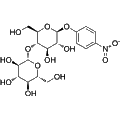
    4-Nitrophenyl β-D-Cellobioside is a cellotriose analog primarily targeted by β-glucosidases, including TxGH116 and ThCel7B. This compound serves as a substrate in enzymatic assays to evaluate cellulase activity through the hydrolysis process, resulting in the release of p-nitrophenol (PNP). Its utility in research applications includes the study of cellulose degradation and enzyme kinetics, contributing valuable insights into carbohydrate metabolism and enzyme specificity.

    50 mg
    $50.00
    100 mg
    $75.00
    All 2 sizes
  • Ethylidene-4-nitrophenyl-a-D-Maltoheptaoside
    Cat. No.
    A69475

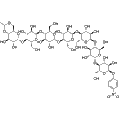
    Ethylidene-4-nitrophenyl-a-D-Maltoheptaoside

    Synonyms: pNP-G7

    Ethylidene-4-nitrophenyl-α-D-maltoheptaoside serves as a substrate for α-amylase, facilitating the assessment of enzyme activity. Upon degradation by α-amylase, along with auxiliary enzymes like α-glucosidase, it releases a chromophore that enables quantification of amylase activity. This reagent is particularly valuable in the diagnosis of pancreatitis and other related disorders.

    25 mg
    $35.00
    50 mg
    $40.00
    All 3 sizes
  • Lotusine hydroxide
    Cat. No.
    A69481

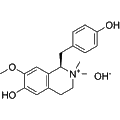
    Lotusine hydroxide

    Lotusine hydroxide is an alkaloid that functions as a signaling pathway modulator and enzyme inhibitor. It exhibits notable inhibitory activity against α-amylase and α-glucosidase, with IC50 values of 30.60 μg/mL and 36.15 μg/mL, respectively. Lotusine hydroxide effectively inhibits the EGFR-Akt-ERK signaling pathway by decreasing phosphorylated levels of EGFR, Akt, and ERK, leading to apoptosis, G0/G1 cell cycle arrest, and reduced cancer cell proliferation. Additionally, it enhances antioxidant enzyme activities and is relevant for research on non-small cell lung cancer, type 2 diabetes, and autism spectrum disorder.

    5 mg
    $170.00
    10 mg
    $295.00
    All 2 sizes
  • α-Glucosidase, Yeast
    Cat. No.
    A71565

    α-Glucosidase, Yeast

    Synonyms: α-D-Glucosidase; Yeast

    α-Glucosidase, Yeast is a carbohydrate hydrolyzing enzyme that catalyzes the release of α-glucose from the non-reducing end of carbohydrate substrates. This enzyme plays a crucial role in glucose absorption in the small intestine. Inhibition of α-glucosidase is a well-established strategy for the management of non-insulin-dependent diabetes mellitus (NIDDM), making it a valuable tool for biochemical research and therapeutic development targeting glycemic control.

    25 mg
    $40.00
    100 mg
    $160.00
    All 3 sizes
  • Endoglycoceramidase II (EGCase II)
    Cat. No.
    A72240

    Endoglycoceramidase II (EGCase II)

    Endoglycoceramidase II (EGCase II) is an endo-β-glucosidase that specifically cleaves β-glycosidic linkages between glucose and ceramide in glycosphingolipids. This enzyme catalyzes the hydrolysis of these linkages, thereby releasing intact glycans from ceramides. EGCase II is instrumental in glycosphingolipid research, facilitating the structural analysis and functional studies of glycoconjugates in various biological contexts. It serves as a valuable tool in understanding glycan-mediated cellular processes and their implications in health and disease.

    1 mg
    $560.00
    All 1 sizes
  • Maltose monohydrate
    Cat. No.
    A72256

    Maltose monohydrate

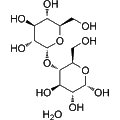
    Maltose monohydrate is a degradative product of starch and serves as a substrate for α-glucosidase, which hydrolyzes maltose into glucose. This compound plays a significant role in various biological processes, including carbohydrate metabolism. Additionally, maltose monohydrate demonstrates protective effects on proteins, membranes, and the photosynthetic electron transport chain under conditions of heat stress and freezing stress, making it valuable for research into stress responses in biological systems.

    5 g
    $20.00
    10 g
    $25.00
    All 3 sizes
  • 4-Methylumbelliferyl β-D-Glucopyranoside
    Cat. No.
    A75029

    4-Methylumbelliferyl β-D-Glucopyranoside

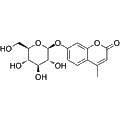
    4-Methylumbelliferyl β-D-Glucopyranoside serves as a fluorogenic substrate specifically for β-glucosidase, facilitating the measurement of β-glucosidase activity in various biological assays. Upon enzymatic cleavage, it releases 4-methylumbelliferone, a highly fluorescent compound with an emission maximum between 445-454 nm. The excitation wavelength of 4-methylumbelliferone is influenced by pH, showing peaks at 330, 370, and 385 nm at pH 4.6, 7.4, and 10.4, respectively, making it a valuable tool for studying enzyme kinetics and related research applications.

    50 mg
    $20.00
    100 mg
    $30.00
    All 5 sizes
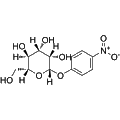
  • 4-Nitrophenyl a-D-glucopyranoside
    Cat. No.
    A75033

    4-Nitrophenyl a-D-glucopyranoside

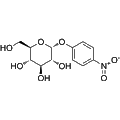
    4-Nitrophenyl α-D-glucopyranoside is a chromogenic substrate specifically designed for the measurement of α-glucosidase activity. Upon hydrolysis by α-glucosidase, this compound produces a yellow chromophore, allowing for quantitative assessment of enzyme activity. It is widely utilized in biochemical assays to study carbohydrate metabolism and investigate the role of α-glucosidase in various biological processes.

    100 mg
    $40.00
    500 mg
    $55.00
    All 2 sizes
  • 4-Methylumbelliferyl-α-D-Glucopyranoside
    Cat. No.
    A75051

    4-Methylumbelliferyl-α-D-Glucopyranoside

    Synonyms: 4-Methylumbelliferyl-α-D-Glucose; 4-Methylumbelliferyl-α-D-Glucoside; 4-MU-α-D-Glucopyranoside

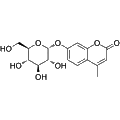
    4-Methylumbelliferyl-α-D-Glucopyranoside is a fluorescent substrate targeting α-glucosidase, which releases the fluorescent moiety 4-methylumbelliferyl (4-MU) upon enzymatic cleavage. This compound exhibits pH-dependent fluorescence, with excitation wavelengths of 320 nm in acidic conditions and 360 nm in alkaline conditions, while its emission increases between 445-455 nm as pH decreases. 4-Methylumbelliferyl-α-D-Glucopyranoside serves as a valuable biomarker for assessing α-glucosidase activity in infant blood spot samples, particularly in the context of Fabry and Pompe diseases.

    5 mg
    $20.00
    10 mg
    $25.00
    All 5 sizes
  • 4-Nitrophenyl β-D-mannopyranoside
    Cat. No.
    A75084

    4-Nitrophenyl β-D-mannopyranoside

    Synonyms: p-Nitrophenyl β-D-Mannopyranoside

    4-Nitrophenyl β-D-mannopyranoside is a specific substrate for the enzyme β-D-mannopyranosidase, facilitating the study of enzymatic activity in carbohydrate metabolism. It also serves as a substrate for GH1-glucosidase and α-L-rhamnosidase, making it a versatile reagent for various glycoside hydrolase assays. This compound is valuable for researchers focused on enzyme kinetics and carbohydrate enzymology.

    5 mg
    $80.00
    10 mg
    $120.00
    All 5 sizes
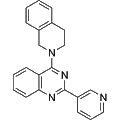
  • GCase modulator-1
    Cat. No.
    A75100

    GCase modulator-1

    GCase modulator-1 is a Quinazoline derivative targeting GCase (Glucosidase) with an AC50 of 2.23 μM. This compound serves as a potent modulator, influencing GCase activity and its associated metabolic pathways. It is primarily utilized in research focused on lysosomal storage disorders and potential therapeutic strategies for related conditions.

    5 mg
    $35.00
    10 mg
    $55.00
    All 4 sizes
  • oligo-α-1,6-Glucosidase, Bacillus cereus ATCC7064
    Cat. No.
    A75132

    oligo-α-1,6-Glucosidase, Bacillus cereus ATCC7064

    Oligo-α-1,6-Glucosidase from Bacillus cereus ATCC7064 is a hydrolase enzyme that specifically targets and hydrolyzes oligosaccharides containing α-1,6-glycosidic bonds. This enzyme catalyzes the exo hydrolysis of α-1,6-glucoside linkages from nonreducing ends of substrates such as panose, palatinose, α-limit dextrins, and isomaltooligosaccharides. Oligo-α-1,6-Glucosidase plays a crucial role in the degradation of starch and glycogen, complementing the activity of α-amylase in the complete hydrolysis of amylopectin. Its applications include studies of carbohydrate metabolism and enzymatic processes involved in starch breakdown.

    Out of stock

    All 3 sizes
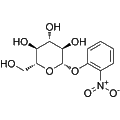
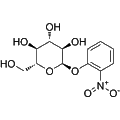
  • 2-Nitrophenyl β-D-glucopyranoside
    Cat. No.
    A75170

    2-Nitrophenyl β-D-glucopyranoside

    2-Nitrophenyl β-D-glucopyranoside serves as a substrate for β-glucosidase, facilitating the analysis of enzymatic activity. Upon hydrolysis by β-glucosidase, it produces a colored product, enabling quantification of enzyme function. This compound is predominantly utilized in research applications involving carbohydrate metabolism and enzymatic assays.

    50 mg
    $100.00
    100 mg
    $160.00
    All 3 sizes
  • 2-Nitrophenyl a-D-glucopyranoside
    Cat. No.
    A75212

    2-Nitrophenyl a-D-glucopyranoside

    2-Nitrophenyl a-D-glucopyranoside serves as a substrate for the enzyme β-glucosidase. Its hydrolysis by β-glucosidase produces a yellow chromogenic product, allowing for the quantification of enzyme activity. This reagent is widely used in biochemical assays to study glycoside hydrolase activity and in research focused on carbohydrate metabolism.

    Out of stock

    All 3 sizes
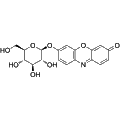
  • Resorufin-β-D-glucopyranoside, 98%
    Cat. No.
    A88443

    Resorufin-β-D-glucopyranoside, 98%

    Synonyms: 3-Phenoxazone 7-(β-D-glucopyranoside); 98%

    Resorufin-β-D-glucopyranoside is a fluorogenic substrate specifically designed for the detection and quantification of β-glucosidase activity. Upon enzymatic cleavage, it produces resorufin, a highly fluorescent compound that serves as an effective indicator of β-glucosidase presence in biological samples. This reagent is widely used in biochemical assays and studies involving enzyme activity, providing valuable insights into cellular and molecular processes.

    5 mg
    $125.00
    10 mg
    $200.00
    All 4 sizes
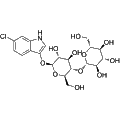
  • 6-Chloro-3-indoxyl-β-D-cellobioside
    Cat. No.
    A89611

    6-Chloro-3-indoxyl-β-D-cellobioside

    6-Chloro-3-indoxyl-β-D-cellobioside is a biochemical reagent that serves as a chromogenic substrate for the detection of β-glucosidase activity. When cleaved by β-glucosidase, it produces a colored indigo product, facilitating the visual quantification of enzymatic activity. This compound is valuable in research applications involving enzyme assays, microbial activity, and cellulose degradation studies.

    Out of stock

    All 3 sizes
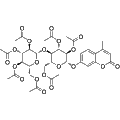
  • 4-Methylumbelliferyl-β-D-cellobiose heptaacetate
    Cat. No.
    A89717

    4-Methylumbelliferyl-β-D-cellobiose heptaacetate

    4-Methylumbelliferyl-β-D-cellobiose heptaacetate is a biochemical assay reagent that serves as a substrate for measuring the activity of β-glucosidases and related enzymes. Upon enzymatic cleavage, it releases a fluorescent product, facilitating the quantification of enzyme activity in various biological samples. This compound is utilized in enzymatic studies and is particularly valuable in carbohydrate metabolism research applications.

    Out of stock

    All 3 sizes
  • 4-Methylumbelliferyl 2-Amino-2-deoxy-α-D-glucopyranoside
    Cat. No.
    A90441

    4-Methylumbelliferyl 2-Amino-2-deoxy-α-D-glucopyranoside

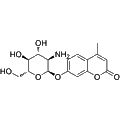
    4-Methylumbelliferyl 2-Amino-2-deoxy-α-D-glucopyranoside serves as a sensitive substrate for enzymes that hydrolyze glycosidic bonds, specifically targeting glucosidases. Upon enzymatic cleavage, it releases a highly fluorescent compound, enabling quantification of enzymatic activity in various biological samples. This reagent is widely utilized in biochemical assays to study carbohydrate metabolism and enzyme kinetics.

    5 mg
    $225.00
    25 mg
    $440.00
    All 3 sizes
  • 4-Methylumbelliferyl β-D-cellopentoside
    Cat. No.
    A90835

    4-Methylumbelliferyl β-D-cellopentoside

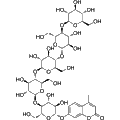
    4-Methylumbelliferyl β-D-cellopentoside is a biochemical reagent that serves as a substrate for enzyme assays, specifically targeted towards β-glucosidases. Upon enzymatic cleavage, it releases the fluorescent compound 4-methylumbelliferone, which allows for the quantification of enzyme activity. This compound is utilized in research applications involving carbohydrate metabolism and enzyme kinetics.

    Out of stock

    All 3 sizes
  • D-Glucopyranose, 98%
    Cat. No.
    A91083

    D-Glucopyranose, 98%

    Synonyms: α-Sophorose; 98%

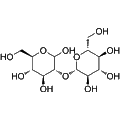
    D-Glucopyranose, 98% functions as a key substrate for various glycosidase enzymes, particularly α-glucosidase. This compound is widely utilized in glycobiology research to study carbohydrate metabolism and enzyme activity, facilitating a deeper understanding of glycan interactions and biological systems. Its high purity ensures reliable results in experimental applications.

    10 mg
    $195.00
    25 mg
    $395.00
    All 4 sizes

20 Items

Added to your cart

View Cart Checkout

    Loading...