HDAC

Histone deacetylase (HDAC) inhibitors block enzymes that remove acetyl groups from histones and other proteins. Deacetylation compacts chromatin and generally represses transcription, so HDAC inhibitors are widely used to study gene regulation. Trichostatin A was characterized in 1990 as a specific inhibitor of mammalian histone deacetylase. The first mammalian HDAC was cloned in 1996 and found to be related to the yeast transcriptional regulator Rpd3p. Isoform-selective tools include entinostat for HDAC1 and HDAC3, and Tubastatin A HCl for HDAC6, a microtubule-associated deacetylase. Broad-spectrum hydroxamates such as vorinostat and panobinostat, together with the cyclic depsipeptide romidepsin, complete the range.

Items 451-459 of 459

  • CM-444
    Cat. No.
    A57720

    CM-444

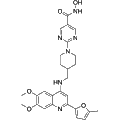
    CM-444 is a potent inhibitor of histone deacetylases (HDACs) with an IC50 range of 6 nM to 0.6 μM, and demonstrates inhibition of DNA methyltransferases (DNMT) with IC50 values between 1.8 and 2.3 μM. This compound facilitates the differentiation of acute myeloid leukemia cells and exhibits significant anti-leukemic activity, enhancing survival rates in mouse models. CM-444 serves as a valuable tool for research into cancer epigenetics and the development of targeted therapies for leukemia.

    Out of stock

    All 3 sizes
  • CARM1/HDAC2-IN-1
    Cat. No.
    A57752

    CARM1/HDAC2-IN-1

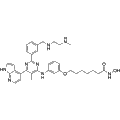
    CARM1/HDAC2-IN-1 is a dual inhibitor targeting both CARM1 and HDAC2, exhibiting IC50 values of 3.71 nM and 4.07 nM, respectively. This compound demonstrates significant antitumor activity, making it a valuable tool for cancer research. CARM1/HDAC2-IN-1 is suitable for studies investigating the role of these epigenetic regulators in tumor biology and therapeutic strategies.

    5 mg
    $500.00
    10 mg
    $825.00
    All 4 sizes
  • 2-Propylpent-4-ynoic acid
    Cat. No.
    A67820

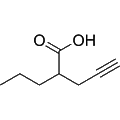
    2-Propylpent-4-ynoic acid

    Synonyms: 4-yn-VPA

    2-Propylpent-4-ynoic acid, a histone deacetylase (HDAC) inhibitor, exhibits an IC50 of 0.5 mM against human HDAC. This compound induces P-glycoprotein function and has been associated with teratogenicity, fetal growth inhibition, and neurotoxicity. Notably, the S-enantiomer demonstrates more significant teratogenic effects compared to its R-enantiomer and other analogs. 2-Propylpent-4-ynoic acid is relevant in research focused on the mechanisms underlying colon cancer and neural tube defects, including exencephaly.

    Out of stock

    All 3 sizes
  • A 80556
    Cat. No.
    A97005

    A 80556

    A 80556 is a selective inhibitor of histone deacetylases (HDACs), specifically targeting HDAC class I and II enzymes. This compound demonstrates potent anti-inflammatory and anti-cancer activities by promoting acetylation of histone and non-histone proteins. A 80556 is valuable for research into epigenetic regulation, cancer therapy, and the modulation of cellular signaling pathways.

    Out of stock

    All 3 sizes
  • HDAC2-IN-3
    Cat. No.
    B21935

    HDAC2-IN-3

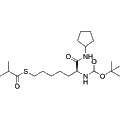
    HDAC2-IN-3 is a selective HDAC2 inhibitor with an IC50 of 14 nM, capable of crossing the blood-brain barrier. This compound effectively upregulates histone acetylation levels both in cultured cells and in vivo, and has been shown to enhance long-term potentiation (LTP) in the hippocampus. HDAC2-IN-3 is valuable for research applications focused on neurodegenerative disorders, particularly Alzheimer's disease.

    Out of stock

    All 3 sizes
  • HDAC8-IN-16
    Cat. No.
    B21977

    HDAC8-IN-16

    HDAC8-IN-16 is a selective inhibitor of histone deacetylase 8 (HDAC8), exhibiting an IC50 of 0.16 μM. It has been shown to induce apoptosis in various cell lines, trigger G2/M phase cell cycle arrest, and moderately inhibit cancer cell proliferation. This compound is particularly relevant for research applications related to colorectal cancer, providing valuable insights into the therapeutic potential of HDAC8 modulation.

    Out of stock

    All 3 sizes
  • HDAC6-IN-78
    Cat. No.
    B21989

    HDAC6-IN-78

    HDAC6-IN-78 is a highly selective inhibitor of histone deacetylase 6 (HDAC6), exhibiting an IC50 of 24 nM. This compound demonstrates specificity by showing no significant activity against other HDAC isoforms. HDAC6-IN-78 is valuable for research applications focused on studying the role of HDAC6 in cellular processes, including neurodegenerative diseases and cancer.

    Out of stock

    All 3 sizes
  • NCT-10b
    Cat. No.
    B22017

    NCT-10b

    NCT-10b is a selective inhibitor of HDAC6, primarily targeting this enzyme to influence cellular processes. It facilitates α-tubulin acetylation while having minimal effect on histone H4 acetylation. NCT-10b is applicable in research focused on multiple myeloma, providing insights into the mechanisms of this hematological malignancy and potential therapeutic strategies.

    25 mg
    $1,780.00
    50 mg
    $2,280.00
    All 3 sizes
  • 4-Phenylcinnamic acid
    Cat. No.
    B22022

    4-Phenylcinnamic acid

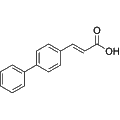
    4-Phenylcinnamic acid is a weak inhibitor of HDAC2, exhibiting an IC50 value greater than 5 μM. This compound has demonstrated moderate activity in inhibiting cell growth in various tumor cell lines. Its role as an HDAC2 inhibitor makes it a useful tool for exploring the effects of histone deacetylation in cancer research and related fields.

    250 mg
    $20.00
    500 mg
    $25.00
    All 8 sizes

Items 451-459 of 459

Added to your cart

View Cart Checkout

    Loading...