MHC

Major histocompatibility complex (MHC) research products include peptide antigens that MHC molecules present to T cells. Class I molecules display peptides from cytosolic proteins to cytotoxic T cells, whereas class II molecules present to helper T cells. In 1974 virus-specific T cell killing was shown to require a shared MHC haplotype, known as MHC restriction. The 1987 crystal structure of human leukocyte antigen A2 (HLA-A2) revealed a peptide-binding groove between two α-helices. The chicken ovalbumin (OVA) epitope SIINFEKL is offered as OVA Peptide(257-264) TFA, a trifluoroacetate salt. It binds the mouse class I molecule H-2Kb and is used to stimulate ovalbumin-specific cytotoxic T cells. OVA (55-62) is a second ovalbumin peptide presented by H-2Kb in mouse T cell studies.

1 Item

  • MOG (35-55), human
    Cat. No.
    A65020

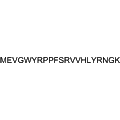
    MOG (35-55), human

    MOG (35-55), human is a peptide derived from myelin oligodendrocyte glycoprotein, primarily functioning as an EAE inducer. This peptide possesses unique immunogenic properties as it binds to H-2b class II MHC and is recognized by T cells, facilitating the study of autoimmune responses in the central nervous system. Although it is associated with minimal clinical signs of experimental autoimmune encephalomyelitis compared to its rodent counterpart, mMOG (35-55), it is crucial for understanding the mechanisms of demyelination and neuroinflammation. Research applications include model development for multiple sclerosis and the exploration of T cell activation in autoimmune diseases.

    1 mg
    $95.00
    5 mg
    $245.00
    All 3 sizes

1 Item

Added to your cart

View Cart Checkout

    Loading...