Toll-like Receptors

Toll-like receptor (TLR) agonists and inhibitors act on pattern recognition receptors of the innate immune system. A human homologue of the Drosophila Toll protein was shown in 1997 to signal activation of adaptive immunity. Each TLR recognizes particular microbial molecules, and mutations in mouse Tlr4 identified TLR4 as essential for lipopolysaccharide (LPS) signaling. The imidazoquinolines imiquimod and resiquimod activate immune cells through TLR7 and the adaptor myeloid differentiation primary response 88 (MyD88). Further agonists include GS-9620 for TLR7 and VTX-2337 for TLR8. Resatorvid and TLR2-IN-C29 inhibit TLR4 and TLR2 signaling, respectively, for studies of inflammation and host defense.

1 Item

  • SjDX5-53
    Cat. No.
    A35434

    SjDX5-53

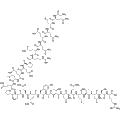
    SjDX5-53 is a selective TLR2 inducer derived from a 3 kDa peptide sourced from Schistosoma japonicum eggs. This compound effectively inhibits inflammatory Th1 and Th17 responses by inducing tolerogenic dendritic cells (tolDCs) while promoting the generation of regulatory T cells (Tregs) and enhancing their suppressive capacity. SjDX5-53 is primarily employed in research focused on autoimmune and inflammatory diseases, including colitis and psoriasis.

    Out of stock

    All 3 sizes

1 Item

Added to your cart

View Cart Checkout

    Loading...