NOD-like Receptor (NLR)

NOD-like receptor (NLR) inhibitors and activators target cytosolic sensors of microbial and cellular danger signals. These receptors carry a nucleotide-binding oligomerization domain (NOD) and include NOD1, NOD2 and the NLR family pyrin domain-containing (NLRP) proteins. In 2001, a frameshift mutation in NOD2 was associated with susceptibility to Crohn's disease. Some NLRs, such as NLRP3, assemble inflammasomes, protein platforms that activate inflammatory caspases and process pro-interleukin-1β. MCC950 sodium was reported in 2015 as a selective small-molecule inhibitor of the NLRP3 inflammasome, whereas the ionophore nigericin sodium salt activates it. Mifamurtide, a synthetic muramyl dipeptide analog, acts on NOD2, and NOD-IN-1 inhibits NOD1 and NOD2.

5 Items

  • Kirenol
    Cat. No.
    A14451

    Kirenol

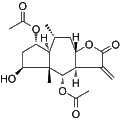
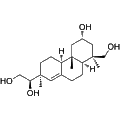
    Kirenol is a diterpenoid compound, an orally active apoptosis inducer and signaling pathway regulator, with a Kd value of 5.47 μM against the target CK2. Kirenol promotes the cleavage of Bid into tBid, regulates the protein levels/phosphorylation of Bax, Bcl-2, p53 and p21, and induces caspase-independent apoptosis, S-phase cell cycle arrest, ROS accumulation and cytotoxicity in cancer cells. Kirenol activates the CK2/AKT and AMPK-mTOR-ULK1 pathways, inhibits the signaling of NF-κB, TGF-β/Smads and NLRP3 inflammasome, and regulates the GSK3β, BMP and Wnt/β-catenin pathways. Kirenol induces autophagy, mitophagy and osteoblast differentiation, promotes mitochondrial fusion, and exerts antioxidant, anti-inflammatory, antifibrotic, renoprotective, cardioprotective, neuroprotective and analgesic effects. Kirenol is applicable to research related to chronic myeloid leukemia, ischemic stroke, diabetic nephropathy, heart failure, acute lung injury and osteoporosis.
    5 mg
    $35.00
    10 mg
    $55.00
    All 4 sizes
  • DdBIC
    Cat. No.
    A25144

    DdBIC

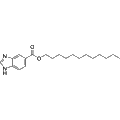
    DdBIC is a potent pyroptosis inducer that targets Nur77, facilitating its translocation to mitochondria. This interaction activates SDHA, leading to a depletion of succinyl-CoA, which disrupts heme homeostasis and causes electron leakage, culminating in increased mitochondrial reactive oxygen species (ROS) production. DdBIC further promotes oxidative activation of OMA1, resulting in OPA1 cleavage and subsequent release into the cytoplasm, which engages the integrated stress response via PERK. This cascade ultimately activates granzyme B, resulting in the cleavage of GSDMC. DdBIC is particularly relevant for research in melanoma studies.

    Out of stock

    All 3 sizes
  • ZIF-8
    Cat. No.
    A25502

    ZIF-8

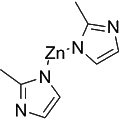
    Synonyms: 2-Methylimidazole zinc salt

    ZIF-8 (2-Methylimidazole zinc salt) is a pyroptosis inducer that activates cell death via a caspase-1/gasdermin D (GSDMD)-dependent mechanism. This compound exhibits significant anticancer properties by mediating inflammatory cell death, making it a valuable tool for studying pyroptosis in cancer research. Its ability to influence cellular responses positions ZIF-8 as a promising candidate for investigations into therapeutic interventions targeting pyroptotic pathways.

    100 mg
    $40.00
    250 mg
    $55.00
    All 5 sizes
  • Britannin
    Cat. No.
    A30107

    Britannin

    Britannin is an autophagy inducer and NLRP3 inflammasome inhibitor with an IC50 of 3.630 μM. It exhibits significant anti-inflammatory effects by disrupting the interaction between NLRP3 and NEK7, effectively preventing NLRP3 activation and assembly. Additionally, Britannin shows antitumor properties by inhibiting tumor cell proliferation through interference with the interaction of HIF-1α and Myc, leading to reduced PD-L1 expression and enhanced activity of cytotoxic T lymphocytes. This compound also promotes apoptosis and autophagy in liver cancer cells via activation of ROS-regulated AMPK, making it a valuable tool for research in anti-inflammatory and oncology studies.

    1 mg
    $30.00
    5 mg
    $75.00
    All 6 sizes
  • PenCB
    Cat. No.
    A53969

    PenCB

    Synonyms: PCB 118

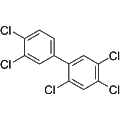
    PenCB (PCB 118) is a potent pyroptosis inducer that primarily activates the NFκB-dependent NLRP3 inflammasome pathway. Its mechanism involves the induction of oxidative stress, which is mediated through the activation of the aryl hydrocarbon receptor (AhR) and subsequent upregulation of cytochrome P450 1A1. This compound is useful for studies examining inflammatory processes and cell death mechanisms, particularly in the context of pyroptosis-related research.

    5 mg
    $25.00
    10 mg
    $45.00
    All 5 sizes

5 Items

Added to your cart

View Cart Checkout

    Loading...