PD-1-PD-L1

PD-1/PD-L1 inhibitors are research compounds that block binding between an inhibitory T cell receptor and its ligand. Programmed cell death protein 1 (PD-1) was first identified in 1992 as a gene induced in cell lines undergoing programmed cell death. Its ligand, programmed death-ligand 1 (PD-L1), is a B7 family protein whose binding to PD-1 inhibits T cell proliferation and cytokine secretion. This checkpoint limits T cell activation and is studied in immune tolerance, tumor immunology and chronic infection. Small molecules such as BMS-202 bind PD-L1 and induce its dimerization, which hides the surface that engages PD-1. The category lists BMS-1166, BMS-202 and PD-1-IN-1 as small-molecule tools, alongside the anti-PD-L1 antibody avelumab as a reference reagent.

2 Items

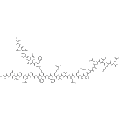
  • AUNP-12
    Cat. No.
    A22274

    AUNP-12

    Synonyms: NP-12

    AUNP-12 (NP-12) is a peptide antagonist of the PD-1 signaling pathway, displays equipotent antagonism toward PD-L1 and PD-L2 in rescue of lymphocyte proliferation and effector functions.

    1 mg
    $130.00
    5 mg
    $350.00
    All 3 sizes
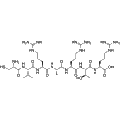
  • CVRARTR
    Cat. No.
    A35676

    CVRARTR

    CVARARTR is a potent antagonist of programmed cell death ligand-1 (PD-L1) with a dissociation constant (KD) of 281 nM. It promotes the internalization of PD-L1, leading to a decrease in its surface expression. This mechanism effectively restores cytokine secretion and enhances T cell proliferation in CT26 cells. Additionally, CVRARTR demonstrates antitumor efficacy in the CT26 homograft mouse model, making it a valuable tool for research in melanoma and immunotherapy studies.

    5 mg
    $60.00
    10 mg
    $100.00
    All 2 sizes

2 Items

Added to your cart

View Cart Checkout

    Loading...