
-
-
- Cat. No.
- A20626
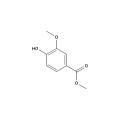
Methyl vanillate
Synonyms: NSC 74385
Methyl vanillate, one of the ingredients in Hovenia dulcis Thunb, is a Wnt/β-catenin pathway activator. A benzoate ester that is the methyl ester of vanillic acid. It has a role as an antioxidant and a plant metabolite.
In stock View Details -
- Cat. No.
- A22309
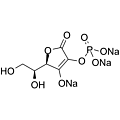
2-Phospho-L-ascorbic acid trisodium
Synonyms: L-Ascorbic acid 2-phosphate trisodium
2-Phospho-L-ascorbic acid trisodium acts as an antioxidant and a stimulator of hepatocyte growth factor (HGF) production.
In stock View Details -

- Cat. No.
- A22403
β-Elemonic acid
Beta-Elemonic acid (3-Oxotirucallenoic Acid), a known triterpene isolated from Boswellia (Burseraceae), exhibits anti inflammatory effects.
In stock View Details -
- Cat. No.
- A24158
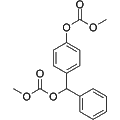
ACA-28
ACA-28 (compound 2a) is a potent modulator of the ERK MAPK signaling pathway that exerts anticancer effects through a unique mechanism involving ERK hyperactivation. Rather than inhibiting ERK activity directly, ACA-28 induces sustained ERK activation, which paradoxically triggers apoptosis in cancer cells. It demonstrates selective cytotoxicity, inhibiting the growth of melanoma cells (SK-MEL-28) with an IC₅₀ of 5.3 μM, while showing lower toxicity toward normal human melanocytes (NHEM), with an IC₅₀ of 10.1 μM. ACA-28's ability to exploit ERK signaling dysregulation for selective induction of apoptosis makes it a promising candidate for further development in cancer therapy, particularly in ERK-dependent malignancies.
In stock View Details -
- Cat. No.
- A38810
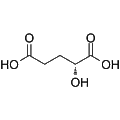
D-α-Hydroxyglutaric acid
Synonyms: (R)-2-Hydroxyglutarate; (R)-2-Hydroxyglutaric acid; (R)-2-Hydroxypentanedioic acid
D-α-Hydroxyglutaric acid (R-2-Hydroxyglutarate) primarily functions as a reactive oxygen species (ROS) activator and is notable for its role as a metabolite in D-2-hydroxyglutaric aciduria. It acts as a weak competitive antagonist of α-ketoglutarate (α-KG), demonstrating inhibition of α-KG-dependent dioxygenases with a Ki value of 10.87 mM. This compound is known to enhance ROS production and has been shown to bind to and inhibit ATP synthase, thereby influencing mTOR signaling pathways. Its unique properties make it applicable in various research settings focused on metabolic disorders and oxidative stress.
In stock View Details -
- Cat. No.
- A38887
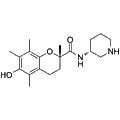
Sonlicromanol
Synonyms: KH176
Sonlicromanol (KH176) is an orally active reactive oxygen species (ROS) modulator that targets oxidative stress pathways. It exhibits significant biological activity in the context of mitochondrial diseases, making it a valuable tool for research into mitochondrial dysfunction and associated disorders. Its ability to selectively modulate ROS levels facilitates investigations into cellular metabolism and signaling processes.
In stock View Details -
- Cat. No.
- A38902
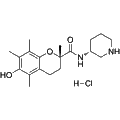
Sonlicromanol hydrochloride
Synonyms: KH176 hydrochloride
Sonlicromanol hydrochloride is a ROS-redox modulator designed to penetrate the blood-brain barrier. This derivative of Trolox exhibits significant potential in mitigating oxidative stress, making it valuable for the investigation of mitochondrial disorders. Its unique properties facilitate research into therapeutic strategies for various neurodegenerative diseases linked to redox imbalance.
In stock View Details -
- Cat. No.
- A39065
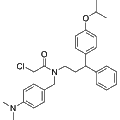
NPD926
NPD926 is a small molecule that acts as a reactive oxygen species (ROS) activator. By depleting intracellular glutathione levels, NPD926 promotes the generation of ROS, which can lead to apoptosis in cancer cells. This compound has potential applications in cancer research, particularly in enhancing the efficacy of Xc- system inhibitors in fibrotic conditions. NPD926 serves as an important tool for investigating ROS-related signaling pathways in cancer biology.
In stock View Details -
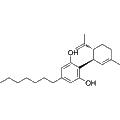
- Cat. No.
- A39325
Cannabidiphorol
Synonyms: CBDP
Cannabidiphorol (CBDP) is a phytocannabinoid that acts as a reactive oxygen species (ROS) activator, enhancing ROS production and stimulating related cellular signaling pathways. This compound has demonstrated the ability to inhibit cell viability in breast cancer cells, making it a valuable tool for research in cancer biology and oxidative stress studies. Its effects on ROS signaling may provide insights into therapeutic strategies targeting oxidative pathways in various diseases.
In stock View Details