Reactive Oxygen Species (ROS)

Reactive oxygen species (ROS) modulators are antioxidants, scavengers and enzyme inhibitors for oxidative stress work. Superoxide, hydrogen peroxide and hydroxyl radicals arise mainly from the mitochondrial respiratory chain and from oxidase enzymes. Cells remove superoxide with superoxide dismutase, an enzyme activity first described in 1969. Acetylcysteine supplies cysteine for glutathione synthesis, and Mito-TEMPO is a superoxide scavenger targeted to mitochondria. Allopurinol inhibits xanthine oxidase, one enzymatic source of superoxide in tissues. Zinc protoporphyrin blocks heme oxygenase 1 (HO-1), whose induction forms part of the cellular defense against oxidative stress. Temoporfin works the other way, as a photosensitizer that generates ROS under light. Inhibitors of the superoxide-producing enzymes are listed under NADPH Oxidase.

6 Items

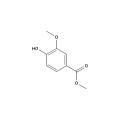
  • Methyl vanillate
    Cat. No.
    A20626

    Methyl vanillate

    Synonyms: NSC 74385

    Methyl vanillate, one of the ingredients in Hovenia dulcis Thunb, is a Wnt/β-catenin pathway activator. A benzoate ester that is the methyl ester of vanillic acid. It has a role as an antioxidant and a plant metabolite.

    500 mg
    $25.00
    1 g
    $35.00
    All 6 sizes
  • β-Elemonic acid
    Cat. No.
    A22403

    β-Elemonic acid

    Beta-Elemonic acid (3-Oxotirucallenoic Acid), a known triterpene isolated from Boswellia (Burseraceae), exhibits anti inflammatory effects.

    1 mg
    $35.00
    5 mg
    $90.00
    All 7 sizes
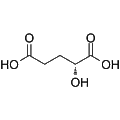
  • D-α-Hydroxyglutaric acid
    Cat. No.
    A38810

    D-α-Hydroxyglutaric acid

    Synonyms: (R)-2-Hydroxyglutarate; (R)-2-Hydroxyglutaric acid; (R)-2-Hydroxypentanedioic acid

    D-α-Hydroxyglutaric acid (R-2-Hydroxyglutarate) primarily functions as a reactive oxygen species (ROS) activator and is notable for its role as a metabolite in D-2-hydroxyglutaric aciduria. It acts as a weak competitive antagonist of α-ketoglutarate (α-KG), demonstrating inhibition of α-KG-dependent dioxygenases with a Ki value of 10.87 mM. This compound is known to enhance ROS production and has been shown to bind to and inhibit ATP synthase, thereby influencing mTOR signaling pathways. Its unique properties make it applicable in various research settings focused on metabolic disorders and oxidative stress.

    10 mg
    $110.00
    25 mg
    $195.00
    All 4 sizes
  • NPD926
    Cat. No.
    A39065

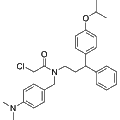
    NPD926

    NPD926 is a small molecule that acts as a reactive oxygen species (ROS) activator. By depleting intracellular glutathione levels, NPD926 promotes the generation of ROS, which can lead to apoptosis in cancer cells. This compound has potential applications in cancer research, particularly in enhancing the efficacy of Xc- system inhibitors in fibrotic conditions. NPD926 serves as an important tool for investigating ROS-related signaling pathways in cancer biology.

    25 mg
    $1,275.00
    50 mg
    $1,625.00
    All 3 sizes
  • Cannabidiphorol
    Cat. No.
    A39325

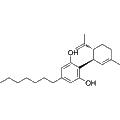
    Cannabidiphorol

    Synonyms: CBDP

    Cannabidiphorol (CBDP) is a phytocannabinoid that acts as a reactive oxygen species (ROS) activator, enhancing ROS production and stimulating related cellular signaling pathways. This compound has demonstrated the ability to inhibit cell viability in breast cancer cells, making it a valuable tool for research in cancer biology and oxidative stress studies. Its effects on ROS signaling may provide insights into therapeutic strategies targeting oxidative pathways in various diseases.

    1 mg
    $215.00
    5 mg
    $875.00
    All 2 sizes

6 Items

Added to your cart

View Cart Checkout

    Loading...