Sphingolipids

Sphingolipids are membrane lipids built on a sphingoid base, with ceramide as their central intermediate. In cells, serine and palmitoyl-coenzyme A condense into sphingoid bases, which are then N-acylated to ceramides and extended into sphingomyelin and glycosphingolipids. Ceramides of defined chain length are represented by C6 Ceramide, C8-Ceramide and C24:1-Ceramide, which differ in how they partition into membranes. Glycosphingolipids include Cerebroside B, N-Acetylpsychosine and Ganglioside GT1b (bovine) ammonium, a sialylated ganglioside of neuronal membranes. Compounds directed at the biosynthetic enzymes are listed as well, among them the sphingomyelin synthase inhibitor malabaricone C and the sphingosine kinase inhibitor SKI-I.

8 Items

  • Malabaricone C
    Cat. No.
    A30101

    Malabaricone C

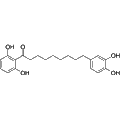
    Malabaricone C is a noncompetitive inhibitor of sphingomyelin synthase (SMS), demonstrating IC50 values of 3 μM for SMS 1 and 1.5 μM for SMS 2. This compound has been shown to reduce body weight gain, enhance glucose tolerance, and decrease hepatic lipid accumulation, effectively preventing high-fat diet-induced fatty liver in murine models. Additionally, Malabaricone C exhibits anti-inflammatory properties, making it a valuable tool for research into obesity and immune disorders linked to T-cell hyperactivation. Its source is the fruit of Myristica cinnamomea King.

    1 mg
    $40.00
    5 mg
    $120.00
    All 6 sizes
  • SKI-I
    Cat. No.
    A30871

    SKI-I

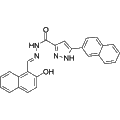
    SKI-I is a selective inhibitor of human sphingosine kinase (SK), exhibiting an IC50 of 1.2 μM for ST-hSK. In addition to its primary action, SKI-I also inhibits hERK2 with an IC50 of 11 μM. This compound demonstrates the ability to induce apoptosis in various tumor cell lines, making it a valuable tool for exploring sphingosine kinase's role in cancer biology and therapeutic research.

    2 mg
    $80.00
    5 mg
    $195.00
    All 6 sizes
  • DL-threo-PPMP hydrochloride
    Cat. No.
    A52544

    DL-threo-PPMP hydrochloride

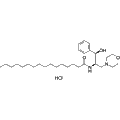
    DL-threo-PPMP hydrochloride is a specific inhibitor of sphingosine synthetase in Plasmodium falciparum. By mimicking sphingosine, it effectively inhibits the enzyme's activity, leading to a reduction in sphingomyelin synthase activity and disrupting the parasite's cytoplasmic tubular network. This mechanism not only hampers the proliferation of the malaria parasite but also offers insights into malaria biology and the development of novel antimalarial therapies.

    5 mg
    $70.00
    10 mg
    $135.00
    All 2 sizes
  • DL-threo-PPMP
    Cat. No.
    A53002

    DL-threo-PPMP

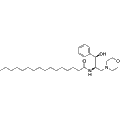
    DL-threo-PPMP is a potent inhibitor of sphingosine synthetase in Plasmodium falciparum, effectively mimicking the substrate sphingosine to disrupt enzymatic activity. This inhibition leads to a significant reduction in sphingosine synthetase function, resulting in the dismantling of the tubular network of Toxoplasma gondii vacuoles within host cells, thereby hindering the proliferation of the parasite. DL-threo-PPMP serves as a valuable tool for investigating Plasmodium biology and developing novel antimalarial strategies.

    25 mg
    $1,655.00
    50 mg
    $2,115.00
    All 3 sizes
  • Biotinylated sphingosine
    Cat. No.
    A65539

    Biotinylated sphingosine

    Synonyms: Biotinyl-Sph

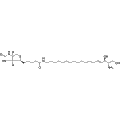
    Biotinylated sphingosine is a substrate for sphingosine kinase, primarily targeting SPHK1 and SPHK2. This compound enables the detection of sphingosine kinase phosphorylation activity, making it a valuable tool for studies focused on sphingolipid metabolism and signal transduction pathways. Researchers can leverage biotinylated sphingosine in various applications, including enzyme activity assays and the exploration of sphingosine-related cellular processes.

    0.05 mg
    $290.00
    All 1 sizes
  • XM462
    Cat. No.
    B18200

    XM462

    XM462 is a potent inhibitor of dihydroceramide desaturase, demonstrating mixed-type inhibition with a Ki value of 2 μM in vitro. This compound exhibits effective inhibition of dihydroceramide desaturase in both in vitro assays and cultured cells, with IC50 values of 8.2 μM and 0.78 μM, respectively. XM462 is relevant for research applications focused on tumor biology and lipid metabolism.

    5 mg
    $615.00
    10 mg
    $1,010.00
    All 3 sizes
  • (1R,2S)-Deoxy-PR280
    Cat. No.
    B19067

    (1R,2S)-Deoxy-PR280

    (1R,2S)-Deoxy-PR280 is a competitive inhibitor of dihydroceramide desaturase, exhibiting an inhibition constant (Ki) of 6 µM. This compound is essential for studying sphingolipid metabolism and related signaling pathways. Its inhibitory action provides valuable insights into cellular processes, making it applicable in research on cancer, neurodegeneration, and metabolic diseases.

    25 mg
    $1,275.00
    50 mg
    $1,625.00
    All 3 sizes
  • N-C24:1-Desoxymethylsphinganine
    Cat. No.
    B21015

    N-C24:1-Desoxymethylsphinganine

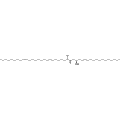
    N-C24:1-desoxymethylsphinganine is a potent inhibitor of sphingolipid metabolism, targeting key enzymes involved in the biosynthesis and degradation of sphingolipids. This compound is important for research applications focusing on lipid signaling pathways and their implications in various diseases, including cancer and neurodegeneration. By studying N-C24:1-desoxymethylsphinganine, researchers can gain insights into the role of sphingolipids in cellular processes and therapeutic interventions.

    Out of stock

    All 3 sizes

8 Items

Added to your cart

View Cart Checkout

    Loading...