Fungal

Antifungal compounds in Fungal act on fungal membranes, ergosterol synthesis and other targets in yeasts and molds. Ergosterol is the main sterol of fungal membranes, so its synthesis pathway is the most common antifungal target. Azoles such as fluconazole, miconazole and oxiconazole inhibit lanosterol 14α-demethylase, a cytochrome P450 enzyme needed for ergosterol synthesis. Terbinafine and liranaftate inhibit squalene epoxidase at an earlier step of the same pathway. The morpholine amorolfine blocks later steps of ergosterol synthesis, while the polyene natamycin binds ergosterol itself. Thiabendazole, a benzimidazole, is also listed for fungal and parasitology research.

7 Items

  • Falcarindiol
    Cat. No.
    A30575

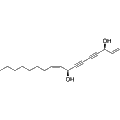
    Falcarindiol

    Falcarindiol is an orally active polyacetylenic oxylipin that functions as an apoptosis inducer by activating PPARγ and enhancing the expression of the cholesterol transporter ABCA1 in cells. This compound exhibits significant biological activities, including anti-inflammatory, antifungal, anticancer, and antidiabetic effects. Additionally, as a click chemistry reagent, Falcarindiol contains an alkyne group, allowing it to participate in copper-catalyzed azide-alkyne cycloaddition (CuAAc) reactions with azide-containing molecules, making it valuable for various research applications.

    1 mg
    $60.00
    5 mg
    $150.00
    All 6 sizes
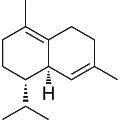
  • δ-Cadinene
    Cat. No.
    A30661

    δ-Cadinene

    Synonyms: (+)-δ-Cadinene

    δ-Cadinene is a sesquiterpene primarily known for its role as an apoptosis inducer. It exhibits significant antiproliferative and pro-apoptotic effects specifically in human ovarian cancer (OVCAR-3) cells. Additionally, δ-Cadinene demonstrates broad-spectrum bioactivity, including trichomonacidal, antimicrobial, antifungal, and anticancer properties, making it a valuable compound for various research applications in cancer biology and infectious disease studies.

    50 mg
    $40.00
    100 mg
    $60.00
    All 5 sizes
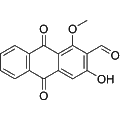
  • Damnacanthal
    Cat. No.
    A30760

    Damnacanthal

    Damnacanthal is an anthraquinone that primarily functions as an apoptosis inducer through selective inhibition of p56lck tyrosine kinase activity. Demonstrating significant anticancer properties, Damnacanthal effectively inhibits p56lck autophosphorylation and the phosphorylation of exogenous substrates, with IC50 values of 46 nM and 220 nM, respectively. Additionally, Damnacanthal exhibits antinociceptive and anti-inflammatory effects in murine models, along with antifungal activity against Candida albicans. This compound is valuable for research into cancer biology and related therapeutic pathways.

    1 mg
    $375.00
    5 mg
    $805.00
    All 2 sizes
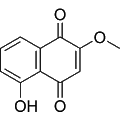
  • 2-Methoxyjuglone
    Cat. No.
    A31728

    2-Methoxyjuglone

    2-Methoxyjuglone is a naphthoquinone that functions primarily as an apoptosis inducer. It activates caspase-9 and caspase-3 through the mitochondrial cytochrome c-dependent intrinsic apoptosis pathway, leading to increased pro-apoptotic Bax levels and decreased anti-apoptotic Bcl-2 levels. 2-Methoxyjuglone also induces apoptosis by promoting mitochondrial cytochrome c release and is associated with morphological changes of apoptosis, early apoptotic signals, cell cycle arrest in S-phase and G2/M-phase, as well as DNA double-strand breaks. Additionally, it exhibits antimicrobial properties against Gram-positive bacteria and pathogenic fungi, making it valuable in the research of various cancers, including hepatocellular carcinoma and breast cancer, as well as in studies of fungal and bacterial infections.

    Out of stock

    All 3 sizes
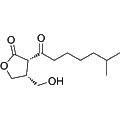
  • A-Factor
    Cat. No.
    A49858

    A-Factor

    A-Factor is a potent inducer of streptomycin biosynthesis in the inactive mutant strain of Streptomyces griseus. Additionally, A-Factor promotes spore formation during the conidial development of Magnaporthe oryzae. This reagent is valuable for researchers studying antibiotic production and fungal development processes.

    Out of stock

    All 3 sizes
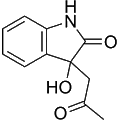
  • 3-Acetonyl-3-hydroxyoxindole
    Cat. No.
    A53554

    3-Acetonyl-3-hydroxyoxindole

    Synonyms: 3-Hydroxy-3-acetonyloxindole

    3-Acetonyl-3-hydroxyoxindole functions as a potent systemic acquired resistance (SAR) inducer in plants. This compound has demonstrated the ability to enhance resistance in tobacco plants against the tobacco mosaic virus (TMV) and the fungal pathogen Erysiphe cichoracearum. 3-Acetonyl-3-hydroxyoxindole also elevates levels of pathogenesis-related gene 1 (PR-1) expression, salicylic acid (SA) accumulation, and phenylalanine ammonia-lyase activity, making it a valuable tool for studying plant immune responses.

    5 mg
    $975.00
    All 1 sizes
  • Nuarimol
    Cat. No.
    B13838

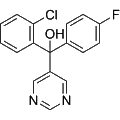
    Nuarimol

    Nuarimol is a fungicide that primarily targets fungal pathogens to protect crops in agricultural applications. This compound functions as a phenobarbital-type inducer of hepatic drug-metabolizing enzymes, leading to transient, significant hepatic regenerative proliferation and accompanying hepatomegaly through reversible hepatocellular injury. Research indicates its potential utility in studies exploring liver regeneration and metabolic enzyme regulation.

    Out of stock

    All 3 sizes

7 Items

Added to your cart

View Cart Checkout

    Loading...