Pharmaceutical Excipients

Pharmaceutical excipients are inactive formulation ingredients that control form, stability and release behavior. Research on excipients covers solubility, dissolution, emulsion stability and compatibility with active compounds. Cellulose and the cellulose ether hydroxypropyl cellulose serve as binders, fillers and film-forming polymers. Sulfobutylether-β-cyclodextrin (SBE-β-CD) forms inclusion complexes that raise the aqueous solubility of hydrophobic compounds. Sodium benzoate is used as a preservative, and dipotassium hydrogen phosphate as a buffering salt. Emulsifiers include soya lecithin and the co-emulsifier dilaurylglycerosulfate, while 1-hydroxyoctadecane, also called stearyl alcohol, thickens creams. ALC-0159, a polyethylene glycol (PEG) lipid, is an excipient of lipid nanoparticle vaccine formulations.

Items 51-70 of 70

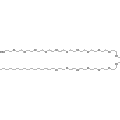
  • PEG 18 cetostearyl ether
    Cat. No.
    A90880

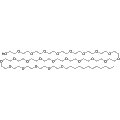
    PEG 18 cetostearyl ether

    PEG 18 cetostearyl ether serves as a pharmaceutical excipient, enhancing the stability and solubility of drug formulations. By acting as an inactive ingredient, it improves the processability of pharmaceutical preparations and influences the absorption, distribution, metabolism, and elimination (ADME) of co-administered drugs. Its versatile application in the development of various drug delivery systems makes it a valuable tool for researchers in pharmaceutical science.

    Out of stock

    All 3 sizes
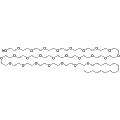
  • PEG 25 cetostearyl ether
    Cat. No.
    A90904

    PEG 25 cetostearyl ether

    PEG 25 cetostearyl ether is a versatile pharmaceutical excipient known for enhancing the stability, solubility, and processability of various drug formulations. As an inactive ingredient, it plays a critical role in optimizing absorption, distribution, metabolism, and elimination (ADME) of co-administered drugs. Its application spans a wide range of pharmaceutical preparations, making it an essential component in the development of effective drug delivery systems.

    Out of stock

    All 3 sizes
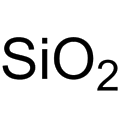
  • Cristobalite
    Cat. No.
    A90957

    Cristobalite

    Cristobalite serves as an effective pharmaceutical excipient, primarily acting as a disintegrant, anti-adhesive, glidant, suspending agent, thickener, and defoamer. This inert substance enhances the stability, solubility, and processability of pharmaceutical formulations. Additionally, cristobalite influences the absorption, distribution, metabolism, and elimination (ADME) processes of co-administered drugs, thereby playing a crucial role in optimizing drug delivery and efficacy in various therapeutic applications.

    Out of stock

    All 3 sizes
  • Tamarind Gum from Tamarind seed, 98%
    Cat. No.
    A91398

    Tamarind Gum from Tamarind seed, 98%

    Synonyms: Tamarind seed polysaccharide; 98%

    Tamarind Gum, sourced from Tamarind seed (Tamarindus Indica L.), is a highly purified polysaccharide thickener with a purity of 98%. It is commonly utilized in various applications due to its thickening properties, forming stable gels and emulsions. This versatile polysaccharide is employed across the food, cosmetic, and pharmaceutical industries for its ability to enhance texture and stability in formulations.

    Out of stock

    All 3 sizes
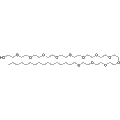
  • PEG 23 lauryl ether
    Cat. No.
    A91705

    PEG 23 lauryl ether

    PEG 23 lauryl ether serves as a pharmaceutical excipient that enhances the stability, solubility, and processability of drug formulations. This compound is utilized in various pharmaceutical applications to improve the absorption, distribution, metabolism, and elimination (ADME) of active pharmaceutical ingredients. By incorporating PEG 23 lauryl ether, researchers can optimize drug delivery systems and enhance the efficacy of therapeutic agents.

    Out of stock

    All 3 sizes
  • Cyclomethicone
    Cat. No.
    A91750

    Cyclomethicone

    Cyclomethicone functions primarily as a pharmaceutical excipient. It serves multiple roles, including emollients, humectants, and thickeners, enhancing the stability, solubility, and processability of pharmaceutical formulations. As an inactive ingredient, cyclomethicone influences the pharmacokinetics of co-administered drugs by affecting their absorption, distribution, metabolism, and elimination (ADME) profiles, thereby playing a critical role in drug formulation and delivery.

    1 g
    $20.00
    5 g
    $45.00
    All 2 sizes
  • N-[2-[(1-Oxohexadecyl)amino]ethyl]octadecanamide
    Cat. No.
    A92565

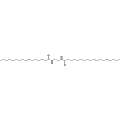
    N-[2-[(1-Oxohexadecyl)amino]ethyl]octadecanamide

    N-[2-[(1-Oxohexadecyl)amino]ethyl]octadecanamide is a liposomal pharmaceutical excipient that enhances the solubility and stability of active pharmaceutical ingredients. It serves as an effective delivery system in drug formulation, facilitating targeted and controlled release. This compound is utilized in various research applications focused on improving drug bioavailability and therapeutic efficacy.

    Out of stock

    All 3 sizes
  • Oxidized paraffin calcium
    Cat. No.
    A92636

    Oxidized paraffin calcium

    Oxidized paraffin calcium serves as a pharmaceutical excipient, primarily functioning as an ointment base and hardening agent. This compound enhances the stability, solubility, and processability of pharmaceutical formulations while influencing the absorption, distribution, metabolism, and elimination (ADME) of co-administered drugs. Its role as an inactive ingredient is crucial in ensuring optimal performance in various drug delivery systems.

    Out of stock

    All 3 sizes
  • PEG 12 cetostearyl ether
    Cat. No.
    A92773

    PEG 12 cetostearyl ether

    PEG 12 cetostearyl ether serves as a pharmaceutical excipient that enhances the stability, solubility, and processability of drug formulations. By acting as an inert carrier, it can significantly influence the absorption, distribution, metabolism, and elimination (ADME) of concomitantly administered pharmaceuticals. This compound is essential in optimizing drug delivery systems and improving overall therapeutic efficacy in various pharmaceutical applications.

    Out of stock

    All 3 sizes
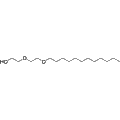
  • PEG 2 lauryl ether
    Cat. No.
    A92843

    PEG 2 lauryl ether

    Synonyms: Diethylene glycol monododecyl ether

    PEG 2 lauryl ether serves as an effective pharmaceutical excipient, enhancing the stability and solubility of drug formulations. This compound improves the processability of pharmaceutical preparations and can influence the absorption, distribution, metabolism, and elimination (ADME) profiles of co-administered drugs. Its role as an inactive ingredient is crucial in optimizing drug delivery systems and ensuring the efficacy of therapeutic agents.

    50 mg
    $275.00
    100 mg
    $430.00
    All 3 sizes
  • Glyceryl behenate
    Cat. No.
    A93179

    Glyceryl behenate

    Glyceryl behenate is an ointment base primarily used as a pharmaceutical excipient. It serves to enhance the stability and texture of topical formulations, providing a smooth application and improved drug release properties. This compound is particularly valuable in the development of ointments and creams, facilitating sustained release of active ingredients in dermatological preparations.

    Out of stock

    All 3 sizes
  • Hydrogenated vegetable oil
    Cat. No.
    A93181

    Hydrogenated vegetable oil

    Hydrogenated vegetable oil serves as a thickener and hardener for suppository formulations, enhancing the stability and integrity of pharmaceutical products. This compound functions by providing a semi-solid matrix that retains shape and texture during storage and application. Its key role in drug delivery systems makes it valuable in the formulation of various rectal and vaginal medications.

    Out of stock

    All 3 sizes
  • Polyacrylate sodium
    Cat. No.
    A93525

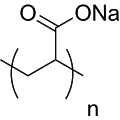
    Polyacrylate sodium

    Polyacrylate sodium serves as a gel excipient, facilitating the formulation of various pharmaceutical products. This polymer's exceptional gel-forming properties enhance the stability and delivery of active ingredients in drug formulations. Its uses extend to various applications in the pharmaceutical industry, including controlled release systems and drug solubilization.

    Out of stock

    All 3 sizes
  • Hydrogenated soybean oil
    Cat. No.
    A93677

    Hydrogenated soybean oil

    Hydrogenated soybean oil serves as a suppository thickener and hardener, primarily functioning as a pharmaceutical excipient. It enhances the structural integrity and consistency of suppository formulations, promoting stability and controlled release of active pharmaceutical ingredients. This reagent is suitable for research applications focused on drug delivery systems and formulation development.

    Out of stock

    All 3 sizes
  • Polyoxyl 8 stearate
    Cat. No.
    A93759

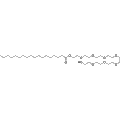
    Polyoxyl 8 stearate

    Synonyms: PEG 8 stearate

    Polyoxyl 8 stearate acts as a pharmaceutical excipient that enhances the stability, solubility, and processability of drug formulations. As an inactive ingredient, it plays a crucial role in improving the absorption, distribution, metabolism, and elimination (ADME) of co-administered active pharmaceutical ingredients. Its use in pharmaceutical preparations aids in optimizing drug delivery systems and improving overall therapeutic efficacy.

    Out of stock

    All 3 sizes
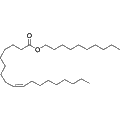
  • Decyl oleate
    Cat. No.
    A94406

    Decyl oleate

    Decyl oleate is a non-ionic emulsifier known for its ability to stabilize oil-in-water emulsions. It plays a crucial role in enhancing solubility and bioavailability of active pharmaceutical ingredients in various formulations. This reagent is widely utilized in the development of topical and oral drug delivery systems, contributing to improved texture and product stability. Its compatibility with a range of excipients makes it a valuable component in pharmaceutical and cosmetic applications.

    Out of stock

    All 3 sizes
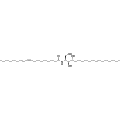
  • Ceramide 3B
    Cat. No.
    B18115

    Ceramide 3B

    Ceramide 3B is a ceramide lipid that acts as an auxiliary emulsifier by enhancing the stability of barrier functions in biological membranes. It plays a crucial role in skin physiology, contributing to moisturization and improving skin barrier integrity. Ceramide 3B is utilized in various research applications, including studies focused on skin health, formulation development, and the exploration of barrier dysfunction in dermatological conditions.

    25 mg
    $40.00
    50 mg
    $65.00
    All 3 sizes
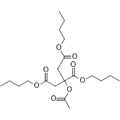
  • Acetyl tributyl citrate
    Cat. No.
    B21590

    Acetyl tributyl citrate

    Synonyms: Tributyl O-acetylcitrate; ATBC

    Acetyl tributyl citrate is a biodegradable hydrophobic plasticizer primarily used as a pharmaceutical excipient. It enhances the flexibility and stability of various formulations, making it suitable for applications in cosmetics and food packaging. Additionally, it serves as a flavoring agent in food industries, contributing to improved sensory profiles in edible products.

    5 mg
    $35.00
    10 mg
    $45.00
    All 7 sizes
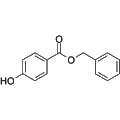
  • Benzyl 4-hydroxybenzoate
    Cat. No.
    B21712

    Benzyl 4-hydroxybenzoate

    Synonyms: Benzyl Paraben

    Benzyl 4-hydroxybenzoate serves as a pharmaceutical excipient with notable bacteriostatic properties. It is utilized as a preservative in various pharmaceutical formulations, enhancing the stability and solubility of active ingredients. This compound plays a critical role in pharmaceutical preparations by improving processability and influencing the absorption, distribution, metabolism, and elimination (ADME) profiles of co-administered drugs. Its effectiveness as an auxiliary agent makes it valuable in drug formulation and development.

    100 mg
    $20.00
    25 g
    $30.00
    All 4 sizes
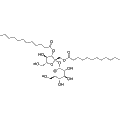
  • Sucrose dilaurate
    Cat. No.
    B21944

    Sucrose dilaurate

    Sucrose dilaurate serves as an effective emulsifier, dispersant, and stabilizer. It inhibits the release of HMGB1 in UVB-irradiated keratinocytes and displays anti-melanogenic properties while decreasing bilirubin levels. Additionally, sucrose dilaurate induces autophagy in human epidermal keratinocytes, which reduces carboxymethyl lysine (CML) levels. Its ability to modulate the secretion of insulin-like growth factor-binding protein 3 (IGFBP3) and nerve growth factor (NGF) in senescent keratinocytes further highlights its potential in various research applications, particularly in the cosmetics, food, and pharmaceutical sectors.

    Out of stock

    All 3 sizes

Items 51-70 of 70

Added to your cart

View Cart Checkout

    Loading...