AMPK

AMPK activators and inhibitors act on adenosine monophosphate-activated protein kinase (AMPK), an energy sensor. The enzyme is a heterotrimer of a catalytic α subunit with regulatory β and γ subunits. When cellular energy falls, AMPK switches off anabolic pathways such as fatty acid synthesis and switches on catabolic processes. A 2001 study linked AMPK activation to the actions of metformin and introduced compound C, also known as dorsomorphin, as an inhibitor. A-769662, reported in 2006, was among the first direct small-molecule AMPK activators. MK8722 and ex229 also activate the kinase directly, whereas acadesine acts through a cellular metabolite that mimics adenosine monophosphate.

1 Item

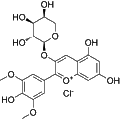
  • Malvidin-3-O-arabinoside chloride
    Cat. No.
    A39463

    Malvidin-3-O-arabinoside chloride

    Malvidin-3-O-arabinoside chloride is an AMPK inducer that enhances cellular autophagy. This compound is recognized for its ability to mitigate oxidative damage induced by ethyl carbamate through the activation of AMPK signaling pathways. Its biological activity supports research applications focused on metabolic disorders and oxidative stress-related conditions.

    1 mg
    $230.00
    5 mg
    $585.00
    All 2 sizes

1 Item

Added to your cart

View Cart Checkout

    Loading...