MMP

Matrix metalloproteinase (MMP) inhibitors block zinc endopeptidases that degrade collagen and other matrix proteins. The first such activity, a collagenase, was detected in amphibian tissue culture in 1962. MMPs remodel tissue during development and wound repair, and they help tumor cells invade surrounding matrix. Membrane type 1 MMP (MT1-MMP, MMP-14), described in 1994, is anchored on the surface of invasive tumor cells. Batimastat, marimastat and GM 6001 are hydroxamate compounds that chelate the catalytic zinc and inhibit a wide range of MMPs. More selective tools include NSC 405020 for MT1-MMP and T-26c for MMP-13. Metalloproteases of the related ADAM family are listed in the neighboring ADAMs category.

1 Item

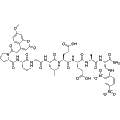
  • Mca-Pro-Leu-Gly-Leu-Glu-Glu-Ala-Dap(Dnp)-NH2
    Cat. No.
    A76861

    Mca-Pro-Leu-Gly-Leu-Glu-Glu-Ala-Dap(Dnp)-NH2

    Mca-Pro-Leu-Gly-Leu-Glu-Glu-Ala-Dap(Dnp)-NH2 is a highly selective substrate for matrix metalloproteinase 12 (MMP12), exhibiting a kcat/Km value of 1.85 x 10^5 M^-1s^-1. This compound shows limited activity against other matrix metalloproteinases, with notable kcat/Km values of 0.53 x 10^5 M^-1s^-1 for MMP13 and 0.33 x 10^5 M^-1s^-1 for MMP9. This selective profile makes it a useful tool for studying the role of MMP12 in biological processes and for potential therapeutic applications targeting MMP-related pathways.

    Out of stock

    All 3 sizes

1 Item

Added to your cart

View Cart Checkout

    Loading...