BTK

Bruton's tyrosine kinase (BTK) inhibitors act on a cytoplasmic kinase that relays signals from the B cell receptor. In 1993 two groups linked defects in the BTK gene to X-linked agammaglobulinemia, in which mature B cells fail to develop. BTK belongs to the Tec kinase family and is also expressed in myeloid cells such as macrophages and mast cells. Ibrutinib, first described as PCI-32765, binds covalently to a cysteine in the BTK active site and blocks B cell activation. Spebrutinib, listed as AVL-292 and as spebrutinib besylate, is another covalent inhibitor, while CGI1746 and RN486 bind reversibly. Ibrutinib-biotin and the fluorescent analog PCI-33380 serve as probes for BTK active-site occupancy.

Items 151-152 of 152

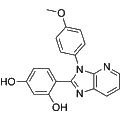
  • BTK-IN-48
    Cat. No.
    A84666

    BTK-IN-48

    BTK-IN-48 is a potent inhibitor of Bruton's tyrosine kinase (BTK) with an IC50 of 1.14 μM. This compound effectively inhibits recombinant BTK and c-Src, demonstrating moderate activity against LCK, BMX/ETK, FLT3, and PIM1. BTK-IN-48 is valuable for research related to B-cell malignancies and autoimmune diseases, making it a useful tool for understanding the underlying mechanisms of these conditions.

    Out of stock

    All 3 sizes
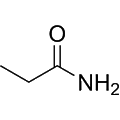
  • Propionamide
    Cat. No.
    B18244

    Propionamide

    Propionamide is a saturated amide small molecule that serves as a useful tool in the mechanistic analysis of Bruton’s tyrosine kinase (BTK) covalent inhibitors. This compound can aid researchers in understanding the interactions and effects of BTK inhibition in various biological contexts, particularly in the study of hematological malignancies and immune response modulation. Its role in these pathways makes Propionamide valuable for further exploration of therapeutic strategies targeting BTK.

    10 g
    $25.00
    25 g
    $30.00
    All 5 sizes

Items 151-152 of 152

Added to your cart

View Cart Checkout

    Loading...