Hippo

Hippo pathway modulators target the kinase cascade and transcription complex that restrict organ growth. Mammalian sterile 20-like kinases 1 and 2 (MST1, MST2) activate kinases that phosphorylate the coactivator Yes-associated protein (YAP) and keep it in the cytoplasm. A 2007 study showed that YAP controls organ size as a target of the Hippo pathway in flies and mammals. In 2008 the transcriptional enhanced associate domain (TEAD) transcription factors were identified as the partners that mediate YAP-dependent gene induction. XMU-MP-1 and IHMT-MST1-39 inhibit MST kinases and so allow YAP to stay active. Verteporfin, a porphyrin photosensitizer, was reported in 2012 to disrupt the YAP and TEAD complex. VT107, IK-930 and MYF-03-69 inhibit TEAD, and VT107 blocks TEAD auto-palmitoylation.

1 Item

  • L-AP6
    Cat. No.
    B19674

    L-AP6

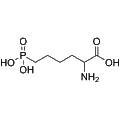
    L-AP6 is a selective agonist targeting the quisqualate-sensitive site in hippocampal CA1 pyramidal neurons. It plays a critical role in modulating excitatory neurotransmission and studying synaptic plasticity. This compound is commonly employed in research pertaining to neurological disorders and the mechanisms of learning and memory.

    25 mg
    $1,275.00
    50 mg
    $1,625.00
    All 3 sizes

1 Item

Added to your cart

View Cart Checkout

    Loading...