TRP Channel

Transient receptor potential (TRP) channel modulators act on cation channels that sense heat, cold and irritants. The mammalian family has six subfamilies, including vanilloid (TRPV), ankyrin (TRPA), canonical (TRPC) and melastatin (TRPM) channels. TRP channels respond to temperature, touch, osmotic changes and plant-derived compounds, so they are often described as cellular sensors. Cloning of the capsaicin receptor TRPV1 in 1997 identified it as a heat-activated ion channel in pain-sensing neurons. AMG517 and SB-705498 are TRPV1 antagonists, while A 967079 blocks TRPA1 and optovin activates TRPA1 when exposed to light. Pyr10 inhibits TRPC3, and Pico145 inhibits channels formed by TRPC1, TRPC4 and TRPC5. The spider toxin peptide GsMTx4, an inhibitor of mechanosensitive channels, is also listed under Piezo Channel.

1 Item

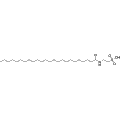
  • N-Lignoceroyl Taurine
    Cat. No.
    A72471

    N-Lignoceroyl Taurine

    N-Lignoceroyl Taurine is an endogenous metabolite and taurine conjugate of lignoceric acid, identified through lipidomic analysis of bovine brain. This compound exhibits distinct biological activity as a substrate for fatty acid amide hydrolase (FAAH), with levels significantly elevated in FAAH knockout mice, indicating a potential role in lipid metabolism. Additionally, N-Lignoceroyl Taurine has been shown to activate transient receptor potential (TRP) calcium channels, including TRPV1 and TRPV4, highlighting its relevance in neurobiology and cellular signaling research.

    1 mg
    $145.00
    5 mg
    $665.00
    All 3 sizes

1 Item

Added to your cart

View Cart Checkout

    Loading...