Calcium Channels

Calcium channel blockers act on voltage-gated channels that let calcium ions enter excitable cells. Voltage-gated calcium (CaV) channels couple membrane depolarization to muscle contraction, neurotransmitter release and gene expression. Channel types are classed as L-, N-, P/Q-, R- and T-type according to their electrophysiological and pharmacological properties. The pore-forming α1 subunit of the L-type channel was first sequenced in 1987 as the skeletal muscle receptor for calcium channel blockers. Dihydropyridines in this category include isradipine, nimodipine and amlodipine besylate, which bind L-type channels. The benzothiazepine diltiazem HCl acts on the same channel type at a distinct binding site. BAPTA/AM, the cell-permeant ester of a calcium chelator, is listed for buffering intracellular calcium rather than for blocking channels.

1 Item

  • N-Lignoceroyl Taurine
    Cat. No.
    A72471

    N-Lignoceroyl Taurine

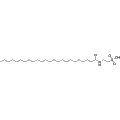
    N-Lignoceroyl Taurine is an endogenous metabolite and taurine conjugate of lignoceric acid, identified through lipidomic analysis of bovine brain. This compound exhibits distinct biological activity as a substrate for fatty acid amide hydrolase (FAAH), with levels significantly elevated in FAAH knockout mice, indicating a potential role in lipid metabolism. Additionally, N-Lignoceroyl Taurine has been shown to activate transient receptor potential (TRP) calcium channels, including TRPV1 and TRPV4, highlighting its relevance in neurobiology and cellular signaling research.

    1 mg
    $145.00
    5 mg
    $665.00
    All 3 sizes

1 Item

Added to your cart

View Cart Checkout

    Loading...