Apoptosis Inducers

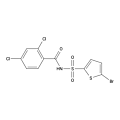
Apoptosis inducers are compounds that trigger programmed cell death through mitochondrial, caspase or stress pathways. Apoptosis is a regulated form of cell death marked by caspase activation, chromatin condensation and cell shrinkage. Inducers serve to study how cells commit to death and as positive controls in cell death assays. Tasisulam, an acylsulfonamide, is described as acting through the intrinsic mitochondrial pathway with caspase activation. Homoharringtonine, a Cephalotaxus alkaloid, inhibits protein synthesis and lowers signal transducer and activator of transcription 3 (STAT3) signaling. Episilvestrol, a rocaglate from Aglaia plants, targets eukaryotic initiation factor 4A (eIF4A). Compounds acting on one defined apoptosis regulator are listed in sibling categories such as Bcl-2 Family and Caspase.

Items 1-25 of 227

  • Tasisulam
    Cat. No.
    A13070

    Tasisulam (LY573636)

    Synonyms: LY 573636

    LY573636 is a potent anti-tumor agent, which causes growth arrest and apoptosis of a variety of human solid tumors in vitro and in vivo. LY573636-induced apoptosis occurs by a mitochondrial-targeted mechanism.

    5 mg
    $30.00
    10 mg
    $50.00
    All 8 sizes
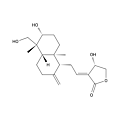
  • Andrographolide
    Cat. No.
    A10077

    Andrographolide

    Andrographolide is an interesting pharmacophore with anticancer and immunomodulatory activities and hence has the potential for being developed as a cancer therapeutic agent.

    50 mg
    $35.00
    100 mg
    $40.00
    All 5 sizes
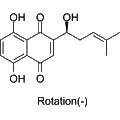
  • (-)-Alkannin
    Cat. No.
    A14204

    (-)-Alkannin

    (-)-Alkannin is a potent apoptosis inducer, extracted from Alkanna tinctoria, and has demonstrated significant anticancer activity. It effectively arrests the cell cycle and triggers apoptotic processes in various cancer cell lines. Additionally, (-)-Alkannin contributes to the reduction of hepatic inflammation through modulation of the Rho-kinase pathway, making it a valuable tool for research in cancer biology and inflammation studies.

    5 mg
    $25.00
    10 mg
    $35.00
    All 6 sizes
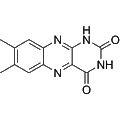
  • Lumichrome
    Cat. No.
    A14364

    Lumichrome

    Lumichrome is a photodegradation product of riboflavin that acts as an apoptosis inducer. It has been shown to inhibit the growth of human lung cancer cells and induce apoptosis through a p53-dependent mechanism. Additionally, Lumichrome serves as an inhibitor of the AKT/β-catenin signaling pathway, highlighting its potential utility in cancer research and therapeutic studies.

    50 mg
    $35.00
    100 mg
    $55.00
    All 6 sizes
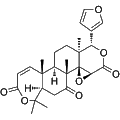
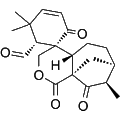
  • Obacunone
    Cat. No.
    A14457

    Obacunone

    Obacunone is a triterpenoid limonoid with potent apoptosis-inducing properties. It has demonstrated significant anticancer effects through the activation of programmed cell death pathways. Additionally, Obacunone offers protective benefits to retinal pigment epithelial (RPE) cells against oxidative damage caused by ultraviolet (UV) radiation, making it a valuable reagent for research in cancer biology and oxidative stress studies.

    5 mg
    $40.00
    10 mg
    $65.00
    All 3 sizes
  • Episilvestrol
    Cat. No.
    A15080

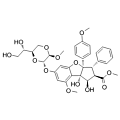
    Episilvestrol

    Episilvestrol is a derivative of Silvestrol, which can induce apoptosis in LNCaP cells through the mitochondrial/apoptosome pathway without activation of executioner caspase-3 or -7; 5'myc-UTR-LUC inhibtior (IC50= 0.8 nM).

    0.5 mg
    $245.00
    1 mg
    $325.00
    All 3 sizes
  • SMIP004
    Cat. No.
    A15240

    SMIP004

    SMIP004 is a novel inducer of cancer-cell selective apoptosis of human prostate cancer cells.

    1 mg
    $75.00
    2 mg
    $110.00
    All 8 sizes
  • 2,3-DCPE
    Cat. No.
    A15330

    2,3-DCPE

    2,3 DCPE displays anticancer agent properties and induces ERK activation.

    5 mg
    $500.00
    10 mg
    $800.00
    All 5 sizes
  • CHM 1
    Cat. No.
    A15332

    CHM 1

    CHM 1 is a potent, selective antitumor agent in human hepatocellular carcinoma in vitro.

    1 mg
    $20.00
    2 mg
    $30.00
    All 8 sizes
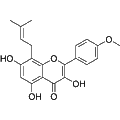
  • Icaritin
    Cat. No.
    A15572

    Icaritin

    Synonyms: Anhydroicaritin

    Icaritin is a prenylflavonoid derivative that functions as an apoptosis inducer. It has demonstrated potent inhibitory effects on the proliferation of K562 cells, with an IC50 of 8 µM, and primary chronic myeloid leukemia (CML) cells, exhibiting IC50 values of 13.4 µM for CML-chronic phase and 18 µM for CML-blast crisis. Icaritin modulates critical signaling pathways, including MAPK/ERK/JNK and JAK2/STAT3/AKT, and has been shown to enhance osteogenesis, making it a valuable compound for research in cancer and regenerative medicine.

    1 mg
    $25.00
    5 mg
    $50.00
    All 6 sizes
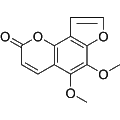
  • Pimpinellin
    Cat. No.
    A15584

    Pimpinellin

    Pimpinellin is an apoptosis inducer derived from Cyrtomium fortumei. It demonstrates significant antitumor activity by promoting apoptosis in tumor cells, thereby inhibiting cellular growth and proliferation. This compound has potential applications in cancer research, particularly in studies focused on mechanistic pathways of cell death and therapeutic strategies for tumor suppression.

    2 mg
    $25.00
    5 mg
    $40.00
    All 7 sizes
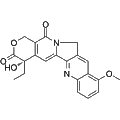
  • 9-Methoxycamptothecin
    Cat. No.
    A15655

    9-Methoxycamptothecin

    9-Methoxycamptothecin (MCPT) is a potent apoptosis inducer that exerts its antitumor effects primarily through the inhibition of topoisomerase enzymes. Derived from Camptotheca acuminata, MCPT effectively induces G2/M cell cycle arrest and promotes apoptosis in various cancer cell lines. This compound is valuable for research applications focused on understanding cancer biology and therapeutic strategies targeting apoptotic pathways.

    5 mg
    $20.00
    10 mg
    $25.00
    All 4 sizes
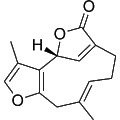
  • Linderalactone
    Cat. No.
    A15718

    Linderalactone

    Linderalactone is a sesquiterpene lactone that acts as an apoptosis inducer by modulating the expression of apoptosis-related proteins and inhibiting the JAK/STAT signaling pathway. This compound has been shown to effectively inhibit the proliferation of lung cancer A-549 cells, displaying an IC50 of 15 µM. Its unique mechanism makes Linderalactone a valuable tool for research in cancer biology and therapeutic development.

    1 mg
    $30.00
    5 mg
    $65.00
    All 6 sizes
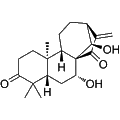
  • Glaucocalyxin A
    Cat. No.
    A15735

    Glaucocalyxin A

    Glaucocalyxin A is an ent-kauranoid diterpene derived from Rabdosia japonica var. This compound acts as an apoptosis inducer by inhibiting the nuclear translocation of Five-zinc finger Glis 1 (GLI1), effectively modulating the PI3K/Akt signaling pathway. Its notable antitumor properties make Glaucocalyxin A a valuable reagent for research in cancer biology, particularly in studies focused on osteosarcoma.

    1 mg
    $30.00
    5 mg
    $65.00
    All 4 sizes
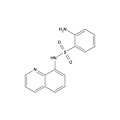
  • NUN82647
    Cat. No.
    A17231

    NUN82647

    Synonyms: QBS

    NUN82647, also known as QBS or 2-Amino-N-quinolin-8-yl-benzenesulfonamide, is an Inhibitor of cell cycle at G2 phase; apoptosis inducer.

    1 mg
    $40.00
    5 mg
    $100.00
    All 8 sizes
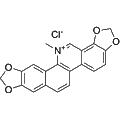
  • Sanguinarine chloride
    Cat. No.
    A17642

    Sanguinarine chloride

    Synonyms: Sanguinarin chloride; Sanguinarium chloride; Pseudochelerythrine chloride

    Sanguinarine chloride is a benzophenanthridine alkaloid that functions as an apoptosis inducer primarily through the generation of reactive oxygen species (ROS). This compound is known to activate key signaling pathways, specifically JNK and NF-κB, facilitating programmed cell death. Sanguinarine chloride is widely utilized in cancer research and studies investigating apoptotic mechanisms.

    1 mg
    $35.00
    5 mg
    $40.00
    All 5 sizes
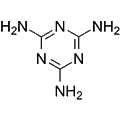
  • Melamine
    Cat. No.
    A17866

    Melamine

    Melamine is an orally active apoptosis inducer that targets multiple biological pathways. It is effective in inducing disease models in animals, particularly concerning male reproductive function through its effects on Sertoli cells. Additionally, melamine exhibits neurotoxic and nephrotoxic properties, making it useful for research on cognitive impairment and acute kidney injury. Its potential to induce bladder cancer and urinary stone models further establishes melamine as a valuable tool in toxicological and cancer research.

    5 g
    $20.00
    25 g
    $25.00
    All 6 sizes
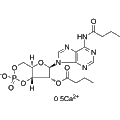
  • Bucladesine calcium
    Cat. No.
    A18132

    Bucladesine calcium

    Synonyms: Dibutyryl cAMP calcium salt; DBcAMP calcium salt

    Bucladesine calcium is a cell-permeable analog of cyclic AMP (cAMP), functioning as an apoptosis inducer primarily through the activation of cAMP-dependent protein kinase (PKA). By elevating intracellular cAMP levels, it inhibits phosphodiesterase (PDE) activity, thereby stabilizing cAMP concentrations and promoting apoptosis in targeted cells. This compound is widely utilized in research applications investigating cell signaling pathways, PKA-mediated processes, and mechanisms underlying programmed cell death.

    10 mg
    $25.00
    50 mg
    $40.00
    All 3 sizes
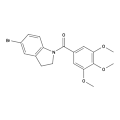
  • IV-23
    Cat. No.
    A18979

    IV-23

    IV-23 (Compound 20) is a potent Noxa mediated apoptosis inducer, and it is a promising anticancer agent with potential. IV-23 inhibits cell growths in vitro and in vivo, reduces colony formation, arrests cell cycle at M phase, and induces esophageal squamous cell carcinoma (ESCC).

    5 mg
    $345.00
    10 mg
    $645.00
    All 5 sizes
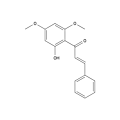
  • Flavokawain B
    Cat. No.
    A22437

    Flavokawain B

    Synonyms: Flavokavain B

    Flavokawain B (Flavokavain B) is a chalcone isolated from the root extracts of kava-kava plant and a potent apoptosis inducer for inhibiting the growth of various cancer cell lines.

    1 mg
    $60.00
    5 mg
    $155.00
    All 7 sizes
  • epi-Eriocalyxin A
    Cat. No.
    A24889

    epi-Eriocalyxin A

    epi-Eriocalyxin A is a diterpenoid compound that serves as an apoptosis inducer in colon cancer cells. It effectively inhibits the activation of ERK1/2 and JNK pathways, leading to the suppression of Bcl-2 expression. This compound is valuable for research focused on cancer treatment and the mechanisms of apoptosis.

    1 mg
    $175.00
    All 1 sizes
  • Dimethyl tetrasulfide
    Cat. No.
    A25088

    Dimethyl tetrasulfide

    Synonyms: 1,4-Dimethyltetrasulfane

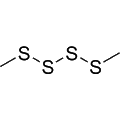
    Dimethyl tetrasulfide (1,4-Dimethyltetrasulfane) is an apoptosis inducer that specifically targets leukemia cells. It demonstrates cytotoxic effects by promoting the production of intracellular reactive oxygen species (ROS) and activating the caspase-3 enzyme. This compound is valuable for research into cancer therapies, particularly in the context of leukemia.

    Out of stock

    All 3 sizes
  • Euptox A
    Cat. No.
    A25134

    Euptox A

    Synonyms: 9-Oxo-10,11-dehydroageraphorone

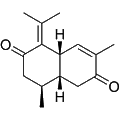
    Euptox A (9-Oxo-10, 11-dehydroageraphorone) is a potent apoptosis inducer derived from the cadenine sesquiterpene found in Eupatorium adenophorum. It enhances the expression of apoptotic proteases, particularly caspase-10, in HeLa cells, leading to increased apoptotic activity. This compound is valuable for research into apoptosis mechanisms and potential therapeutic applications in cancer treatment.

    5 mg
    $1,655.00
    All 1 sizes
  • MT-21
    Cat. No.
    A25135

    MT-21

    MT-21 is an apoptosis inducer that functions as an inhibitor of adenine nucleotide translocase. It triggers apoptosis by activating c-Jun N-terminal kinase (JNK) through the Krs/MST signaling pathway and facilitates the activation of caspase-3 via caspase-9. Additionally, MT-21 promotes the release of cytochrome c from mitochondria, making it a valuable reagent for investigating tumor biology and apoptotic mechanisms in cancer research.

    Out of stock

    All 3 sizes
  • SM1044
    Cat. No.
    A25141

    SM1044

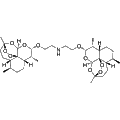
    SM1044 is a dihydroartemisinin (DHA) dimer that serves as an apoptosis inducer. It activates caspase pathways to effectively trigger apoptosis in RL95-2 and KLE cancer cell lines. Additionally, SM1044 demonstrates potent antiproliferative activity, with IC50 values below 3.6 μM across multiple cancer cell lines, including HEC-50, HEC-1-A, HEC-1-B, and AN3CA. Furthermore, SM1044 has been shown to inhibit tumor growth in RL95-2 xenograft mouse models, highlighting its potential utility in cancer research.

    25 mg
    $1,275.00
    50 mg
    $1,625.00
    All 3 sizes

Items 1-25 of 227

Added to your cart

View Cart Checkout

    Loading...