TNF-α

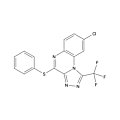
Tumor necrosis factor alpha (TNF-α) inhibitors reduce the production or signaling of a central inflammatory cytokine. In 1975 an endotoxin-induced serum factor that causes necrosis of tumors was described and named tumor necrosis factor. Cloning of human TNF in 1984 revealed a precursor related to lymphotoxin. Through its two receptors, TNF-α activates nuclear factor kappa B (NF-κB) and cell death pathways. Etanercept is a soluble receptor fusion protein that binds the cytokine, and C 87 is a small-molecule TNF-α inhibitor. In 1991 thalidomide was shown to inhibit TNF-α production by stimulated human monocytes, and its analogs lenalidomide and pomalidomide are also listed. Pathway compounds include the NF-κB inhibitor QNZ and necrostatin-1, an inhibitor of receptor-interacting protein kinase 1 (RIPK1).

6 Items

  • Lenalidomide
    Cat. No.
    A10522

    Lenalidomide (CC-5013)

    Synonyms: Revlimid; CC-5013

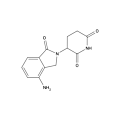
    Lenalidomide is a derivative of thalidomide. In vitro, lenalidomide has three main activities: direct anti-tumor effect, inhibition of the micro environment support for tumor cells, and immunomodulatory role. It induces tumor cell apoptosis directly and indirectly by inhibition of bone marrow stromal cell support, by anti-angiogenic and anti-osteoclastogenic effects, and by immunomodulatory activity.

    50 mg
    $30.00
    100 mg
    $40.00
    All 7 sizes
  • R-7050
    Cat. No.
    A19783

    R-7050

    Synonyms: TNF-α Antagonist III

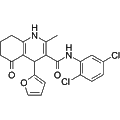
    R-7050 (TNF-α Antagonist III) is a tumor necrosis factor receptor (TNFR) antagonist with greater selectivity toward TNFα.

    2 mg
    $30.00
    5 mg
    $55.00
    All 8 sizes
  • AR420626
    Cat. No.
    A23991

    AR420626

    AR420626 is a selective agonist of free fatty acid receptor 3 (FFAR3, also known as GPR41), with an IC₅₀ of 117 nM. It demonstrates anti-inflammatory, antitumor, and antidiabetic activities. AR420626 improves neurogenic diarrhea by modulating neural pathways mediated by nicotinic acetylcholine receptors (nAChRs). In cancer models, it suppresses the growth of HepG2 xenografts and inhibits hepatoma cell proliferation through apoptosis induction. Additionally, AR420626 mitigates allergic asthma and eczema and enhances glucose uptake by activating FFAR3-mediated Ca²⁺ signaling, offering potential therapeutic benefits in metabolic disorders such as diabetes.

    5 mg
    $77.00
    10 mg
    $132.00
    All 4 sizes
  • VDX-111
    Cat. No.
    A25239

    VDX-111

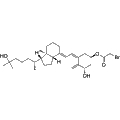
    VDX-111 is a necroptosis inducer that functions as an analog of vitamin D. It exerts cytotoxic effects in ovarian cancer cells by upregulating the RIPK1/RIPK3 pathway, leading to necroptotic cell death. Additionally, VDX-111 promotes cytokine expression and demonstrates significant antitumor activity in murine models, making it a valuable tool for cancer research focused on necroptosis.

    Out of stock

    All 3 sizes
  • IDT
    Cat. No.
    A25512

    IDT

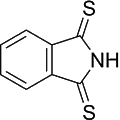
    IDT is a TNFα modulator that targets and regulates the innate immune response. It has demonstrated significant efficacy in reducing paired helical filament tau and fibrillar amyloid accumulation, as well as enhancing the infiltration of neutrophils while decreasing TNFα expression within this population. IDT is a valuable reagent for research focused on Alzheimer’s disease and the underlying mechanisms of neuroinflammation.

    25 mg
    $1,275.00
    50 mg
    $1,625.00
    All 3 sizes
  • Hydrostatin-TL1
    Cat. No.
    A25551

    Hydrostatin-TL1

    Synonyms: H-TL1

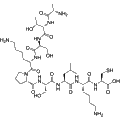
    Hydrostatin-TL1 is a nine-amino-acid peptide that serves as a TNF-α antagonist. By competitively inhibiting the interaction between TNF-α and its receptor TNFR1, Hydrostatin-TL1 reduces TNF-α-mediated cytotoxicity and inflammation. This peptide is valuable for research into TNF-α-associated inflammatory diseases, including rheumatoid arthritis, osteoporosis, and inflammatory bowel disease (IBD).

    Out of stock

    All 3 sizes

6 Items

Added to your cart

View Cart Checkout

    Loading...